Aspect Ratio Explained

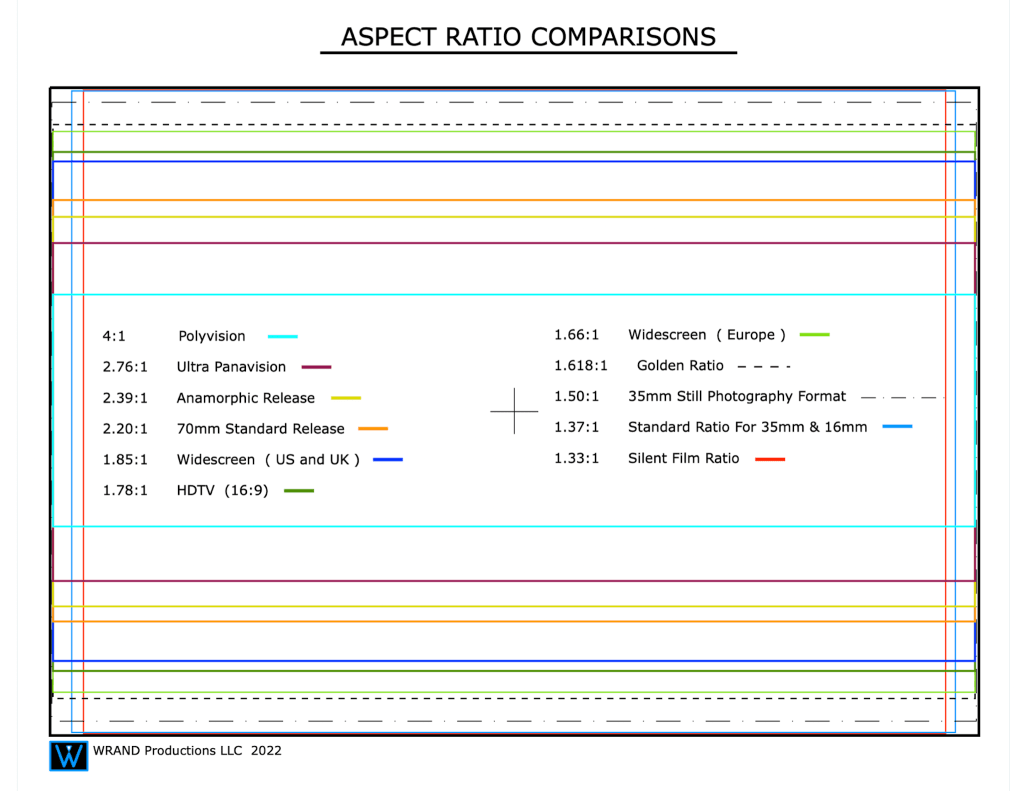
This and the following charts are part of the Designing For The Camera class, offered at the Wrand Productions website.

Aspect ratio is one of those topics that can be hard to explain. Part of the confusion starts with the numerical system used to describe the ratio system. It has nothing to do with lens focal lengths, or depth of field or any of the other optical explanations of a film image. (Yes, camera sensors do have a set aspect ratio but you can crop an image to any size in post production so for now I’m concentrating on talking about a display aspect ratio. And, I’m leaving out the confusion over spherical vs. anamorphic lenses for another post.)

The simplest way to explain an aspect ratio is that it is a comparison of the horizontal length of a frame to the vertical length.

The first films, the silent ones, were shot with an aspect ratio of 1.33:1. The width of each image is 1.33 times the height.

The extreme projection aspect ratio up until now was a 4.1:1 format called Polyvision for the 1927 film, Napoleon, which was done by lining up three projectors and interlocking three 1:33 ratio film prints.

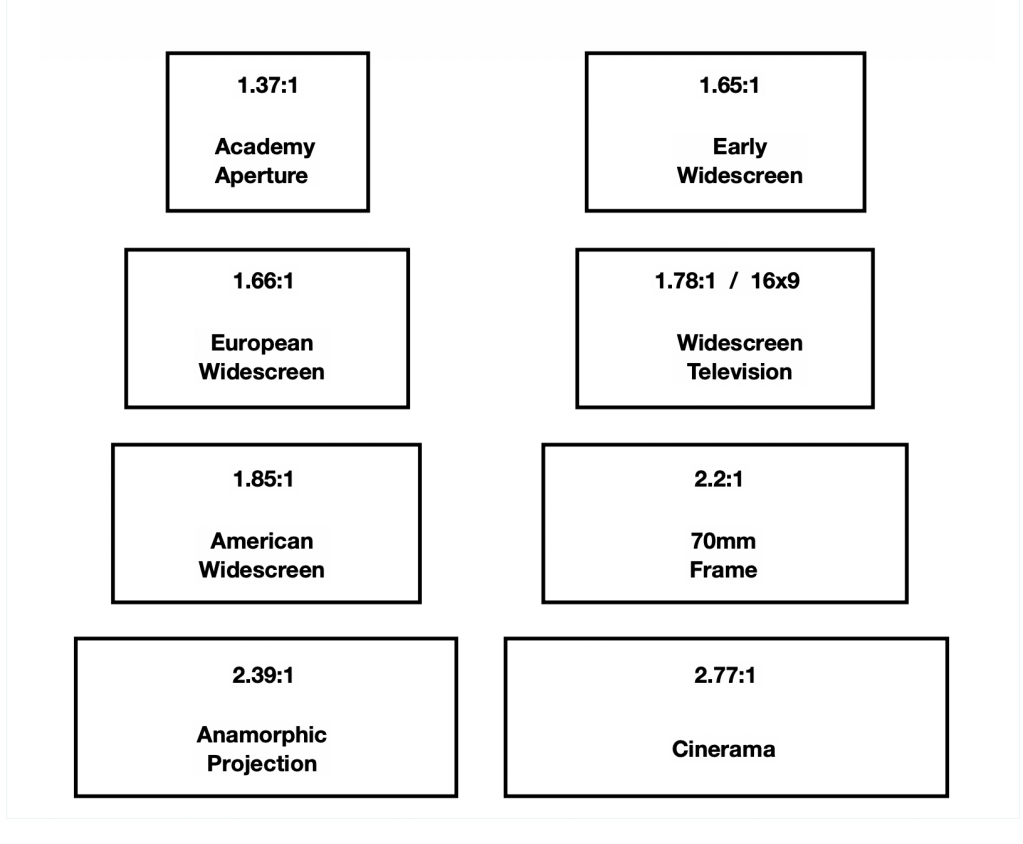
Here is a chart for determining the aspect ratio of an image.
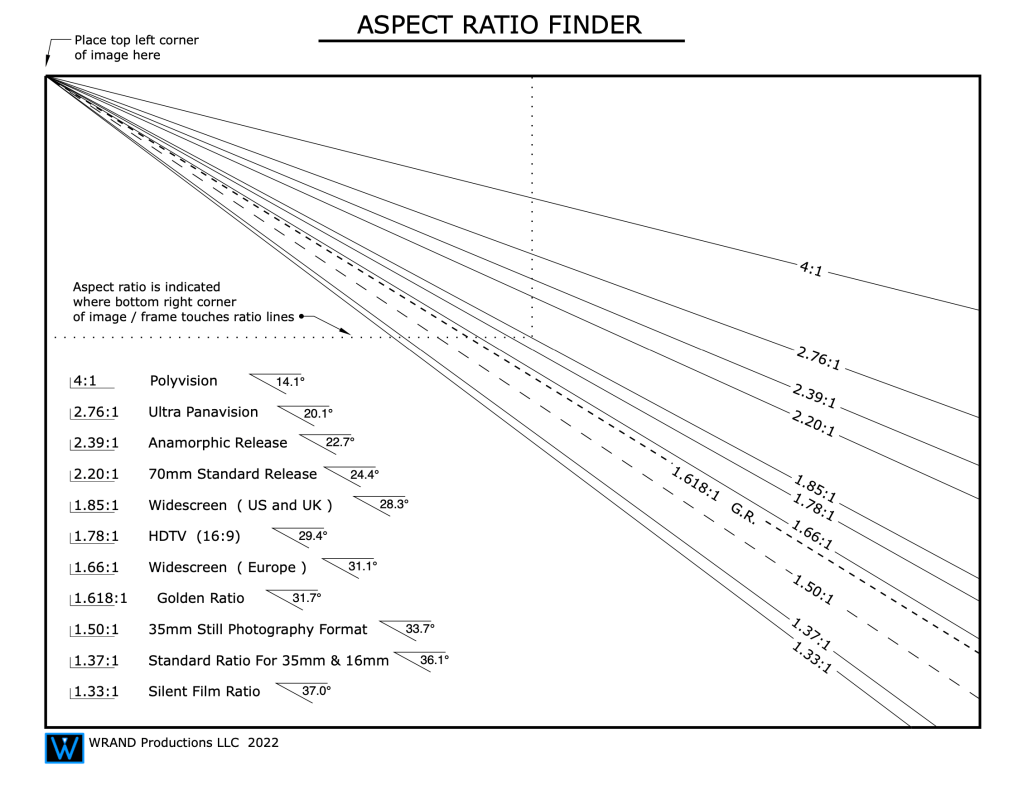
From the course Designing For The Camera.

Once television became a competitor to the movie theaters for audience eyeballs, the studios began to experiment with shooting films in wider formats to create a visual experience that TV couldn’t match because of the fixed 1.35:1 television screen size.

As filmmakers became tired of seeing their films shot in widescreen cropped for viewing on TVs, a compromise was made by changing the old 1:37 aspect ratio to 1.78. This opened up the standard screen width and changed the way even television shows were shot from the mid 1980’s.
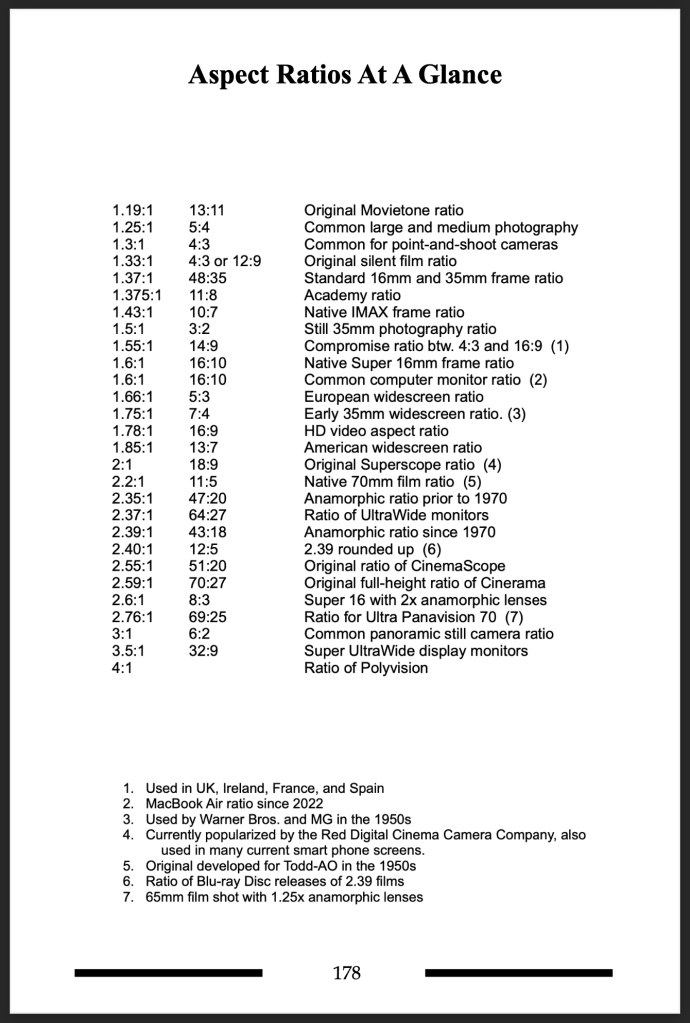
From the Wrand Film & Video Glossary

Notice that some formats are referred to by different style or raio callout. The 1.78 format is also described as 16×9. Thus the typical smart phone screen ratio is known as 9×16 because of it’s being typically viewed as a vertical rather than horizontal image.

The best video explanation of film stock differences and aspect ratios was done by Ryan Coogler for Kodak as he talked about the different aspect ratios he used for shooting his film “Sinners”. He talks about a number of new projection systems that I didn’t know about.

Here is a video of Autumn Durald Arkapaw, the cinematographer and first woman to win the Best Cinematography Oscar, explaining how she shot the film in two different aspect ratios; IMAX and Ultra Panvision 65.
Goodbye Delicious Library, Hello Book Tracker

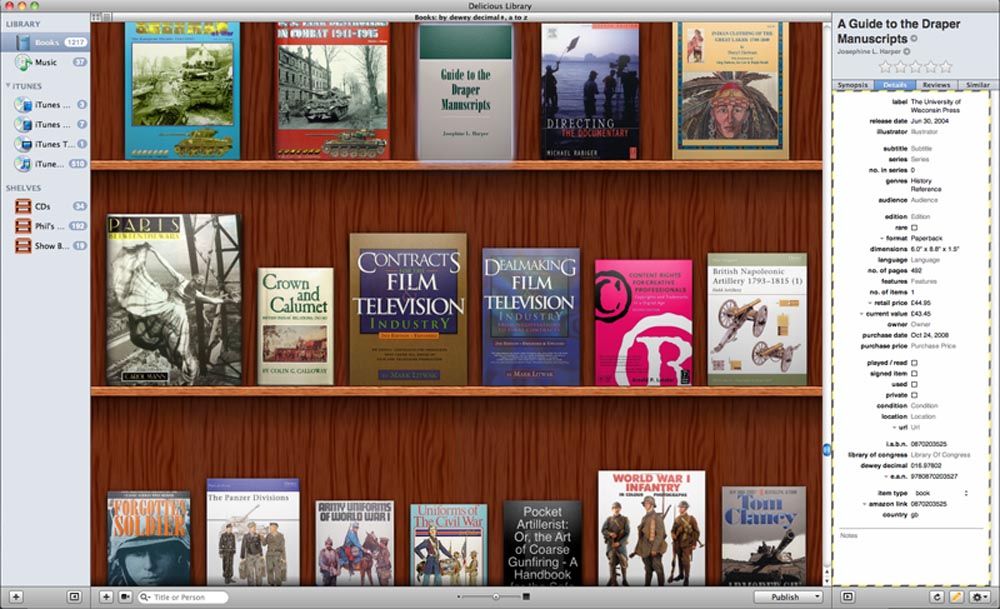
Nearly 14 years ago I posted an article about organizing your books and reference. I had found a new (at the time) app called Delicious Library which was perfect for the task. It would organize your books, DVDs, reference boxes and other assets in categories and pulled in data from Amazon as to book values, prices and print data. Unfortunately it only worked on Macs.

Several years ago the app was cut off from using Google data and it became of limited value when updating assets and books.

The old interface of Delicious Library

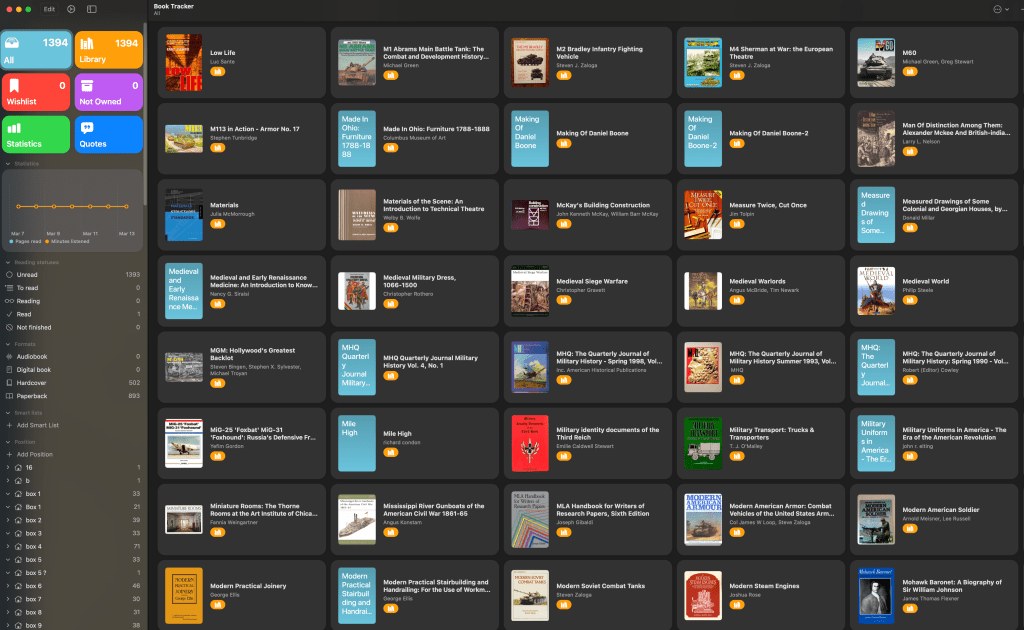
I just recently found a replacement, an app called Book Tracker. It operates similarly to Delicious Library but does not access the same amount of data that Delicious Library had access to.

Fortunately it was easy to import my library data from DL and everything came in perfectly, with the exception of the book values that were listed in DL. Unfortunately the app is also only for Mac. (Keep reading for a PC option)

The interface isn’t quite as graphic as the virtual bookshelf in DL, but Book Tracker does have a nice organization system and make it easy to sort books by a wide range of categories.

The Book Tracker interface

The app also has an iOS version that works on an iPhone that has a barcode scanner which makes it easy to add new books without doing a lot of data entry.

There is a free version but it’s only good for 5 books which isn’t very helpful. Use the free version to try it out. For the full version, there is a one-time purchase price of $20. The app for the iPhone will cost you an additional $5, but the bar scanner feature made it worth it for me.

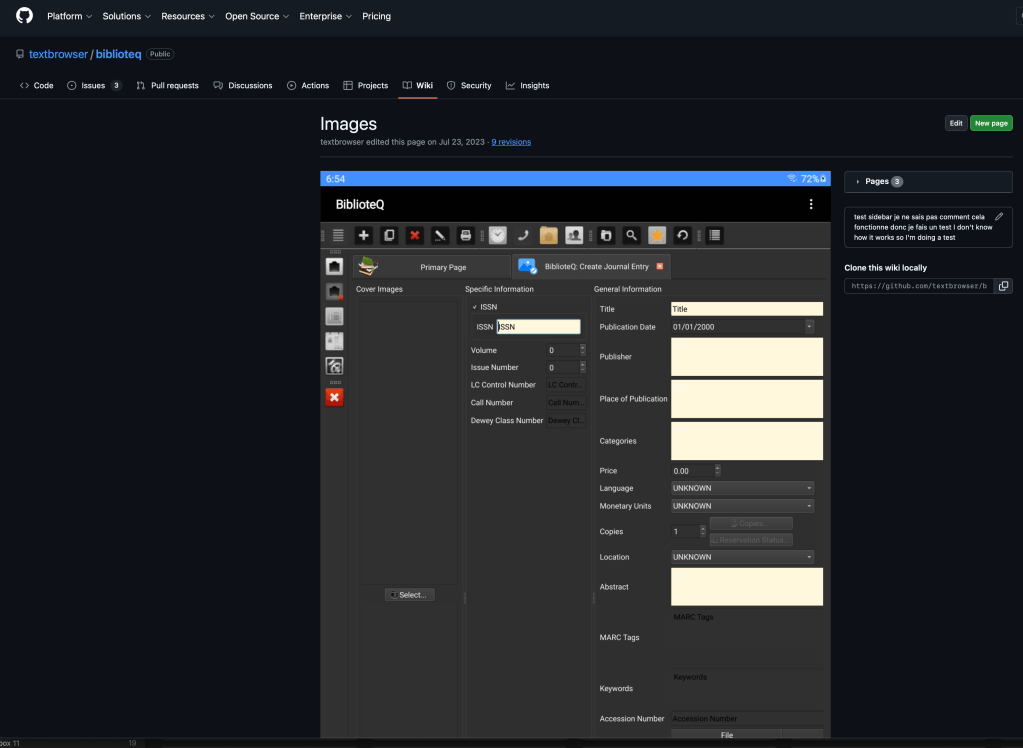
For PC users, a similar option is an app called BiblioteQ. It is a FREE open-source program that you download to your machine rather than existing in a data cloud server.

The program is updated regularly and is supported in 12 different languages. It brings in cover art from Amazon and Open Library, will support third-party bar code readers, works on Mac as well as Windows, and will import libraries from CSV files so it will also ingest a Delicious Library collection. It is also designed to organize and archive collections of music, photographs, journals, and video games.

The BiblioteQ interface

Railroad & Train Car Reference

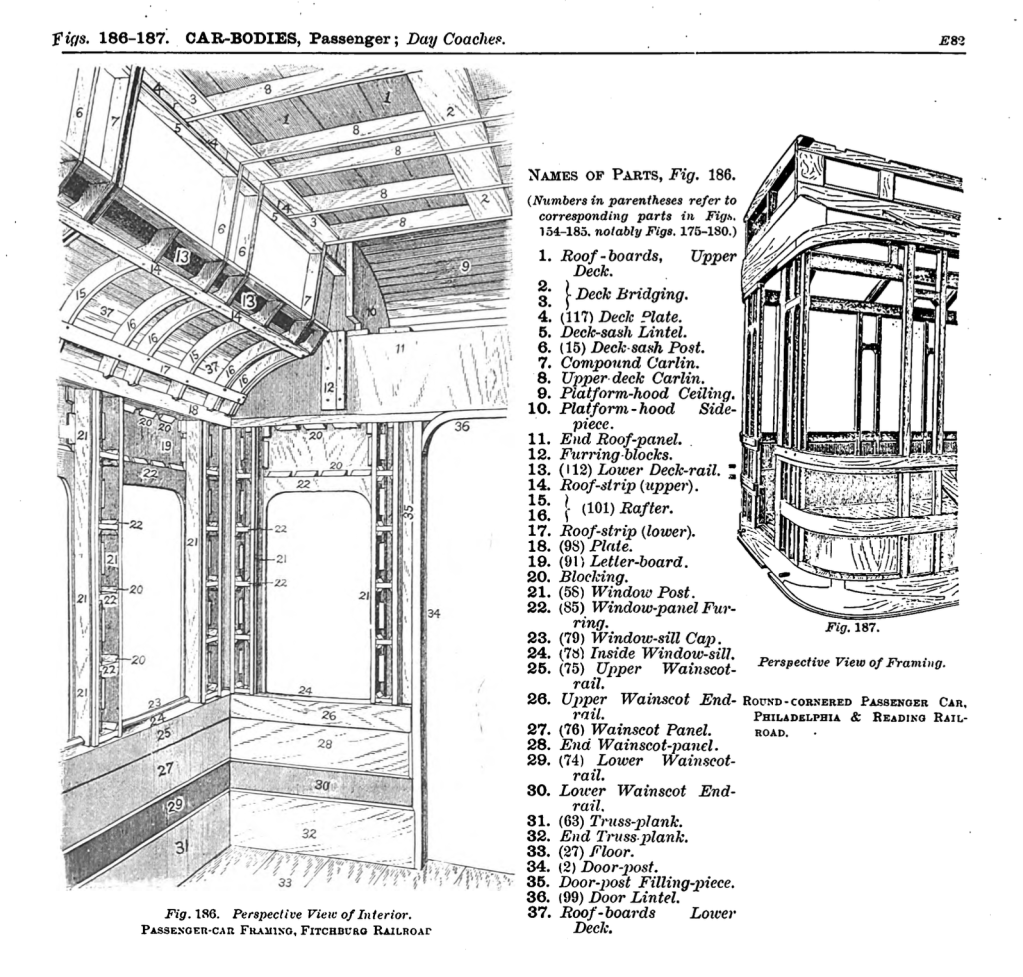
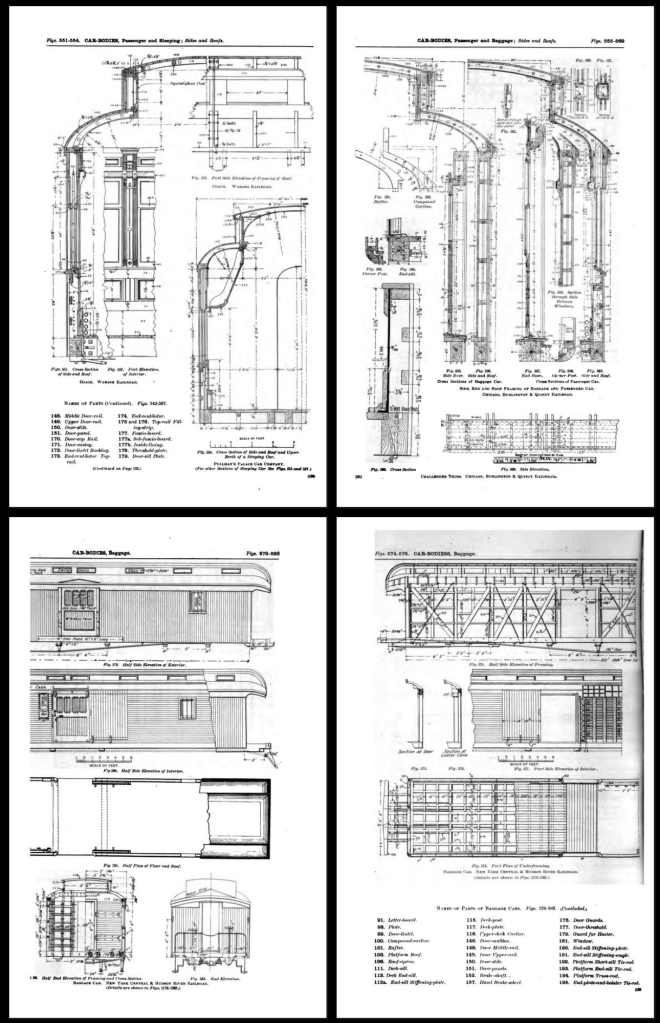
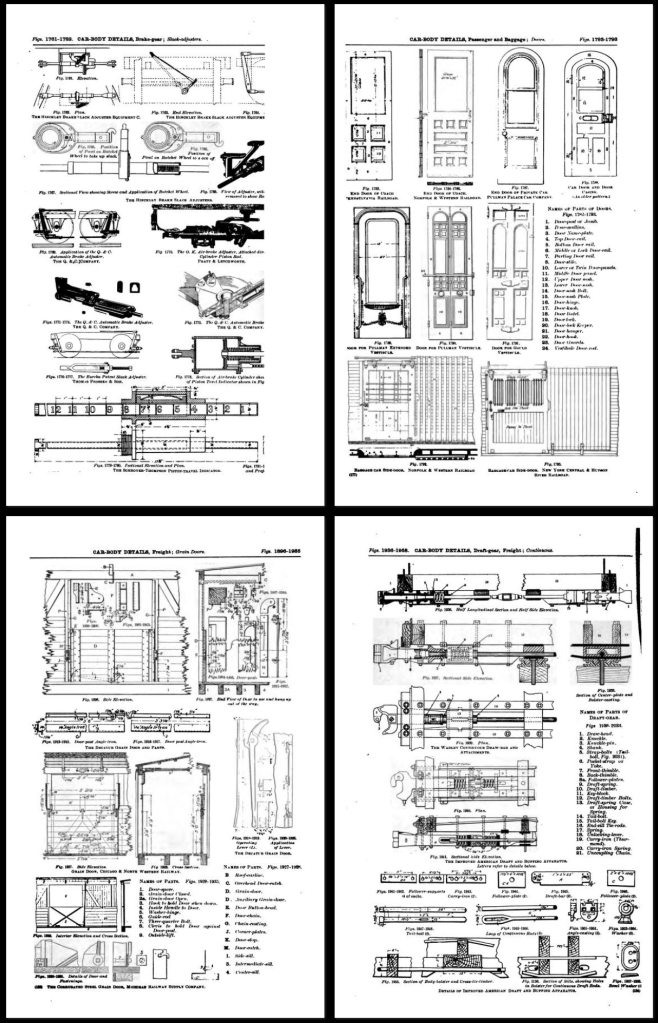
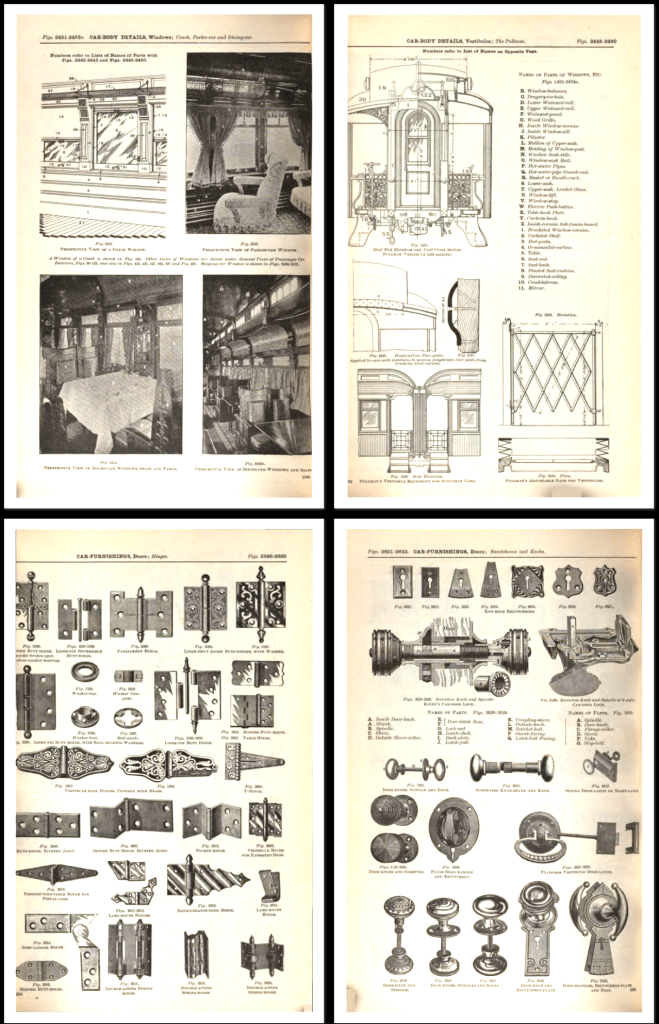
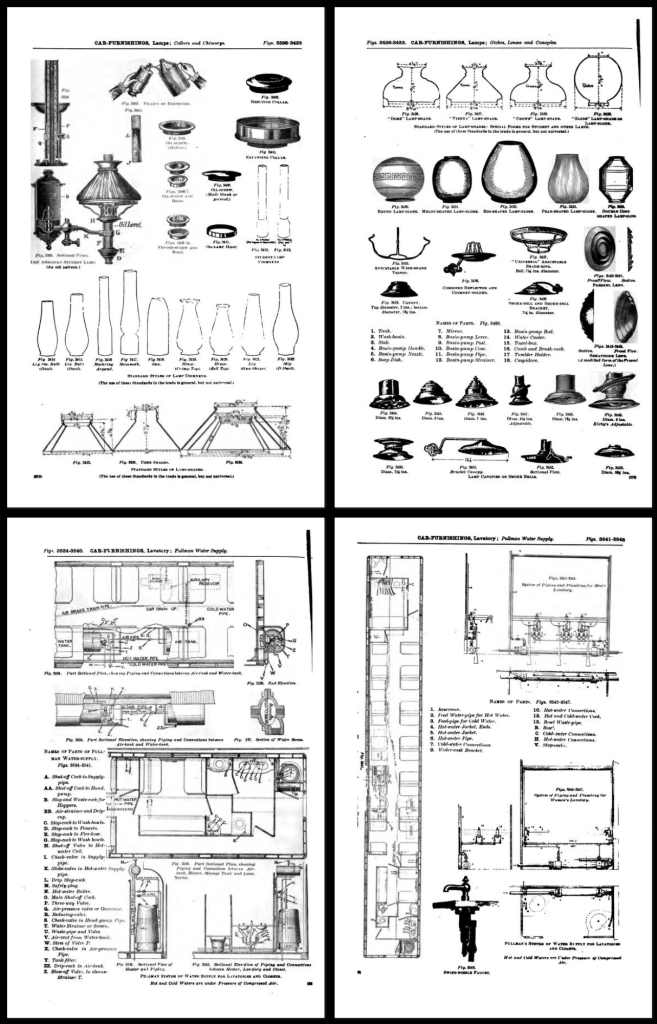
Illustrations from The Car-Builder’s Dictionary

Trains are one of those set pieces that don’t get used often anymore and reference for early period trains isn’t always easy to find. My train reference usually gets buried on a back shelf of my library and I have to unearth it when a design comes along that involves a train car or a scene that requires recreating railroad scenes.

These two books are the most complete that I’ve found when I need to create details for a train car build or most any other information on late 19th to early 20th century railroad systems.

The first is The Car-Builders Dictionary, which is now in a digital format. It’s a 680 page book that includes pretty much anything I have ever needed to know about railroad cars of that period. The book includes a 200 page glossary as well as scale drawings and perspective views of almost all passenger and freight cars, including street cars, both American and English.


A similar book which focuses more on freight cars is the 1919 Car Builder’s Dictionary and Cyclopedia.

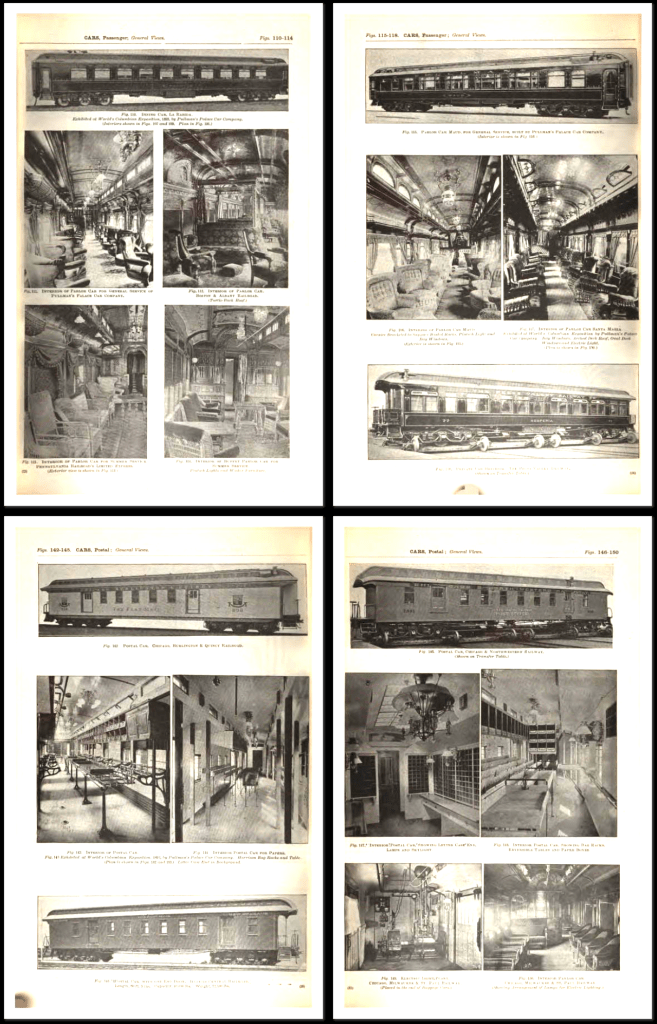
There are scale drawings, plans, and sections of cars to show construction and layout. There are also photographs of car interiors, and detailed illustrations of every part on the cars, both functional and cosmetic: seating, hardware, brake diagrams, truck construction, lighting, etc.

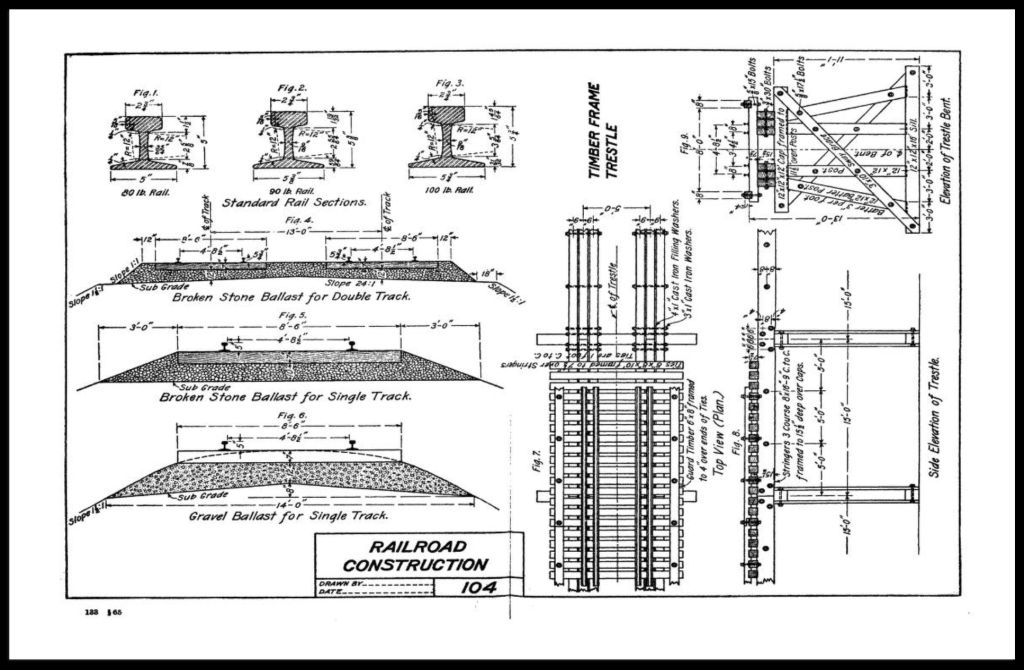
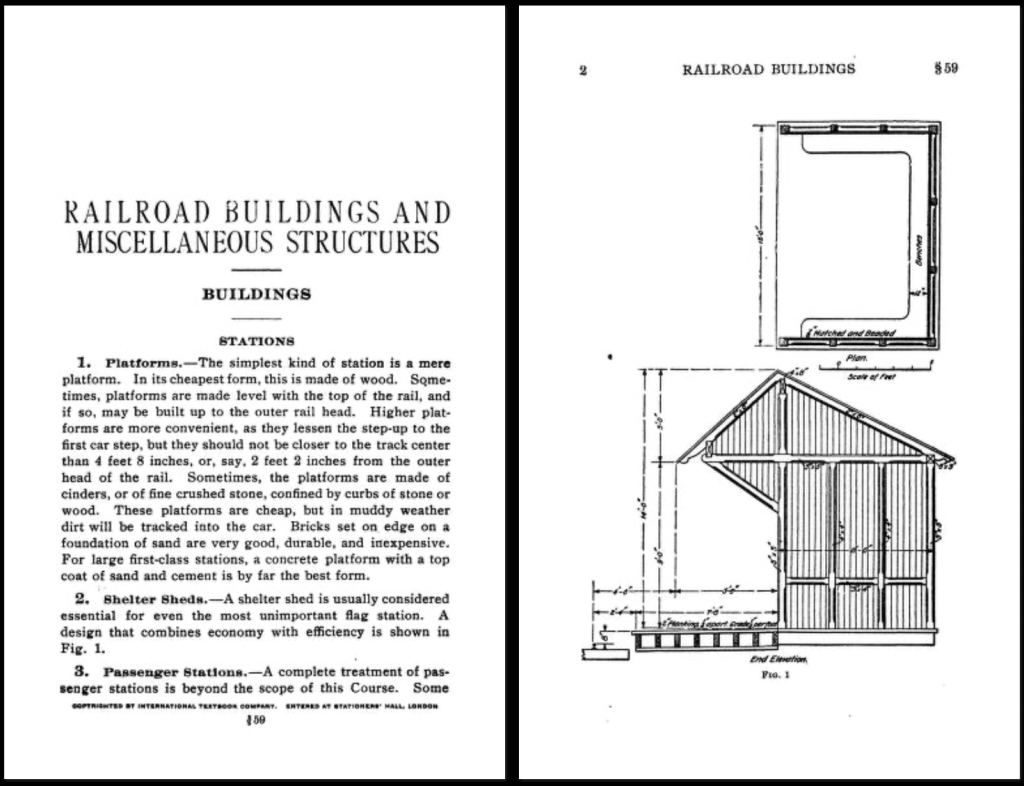
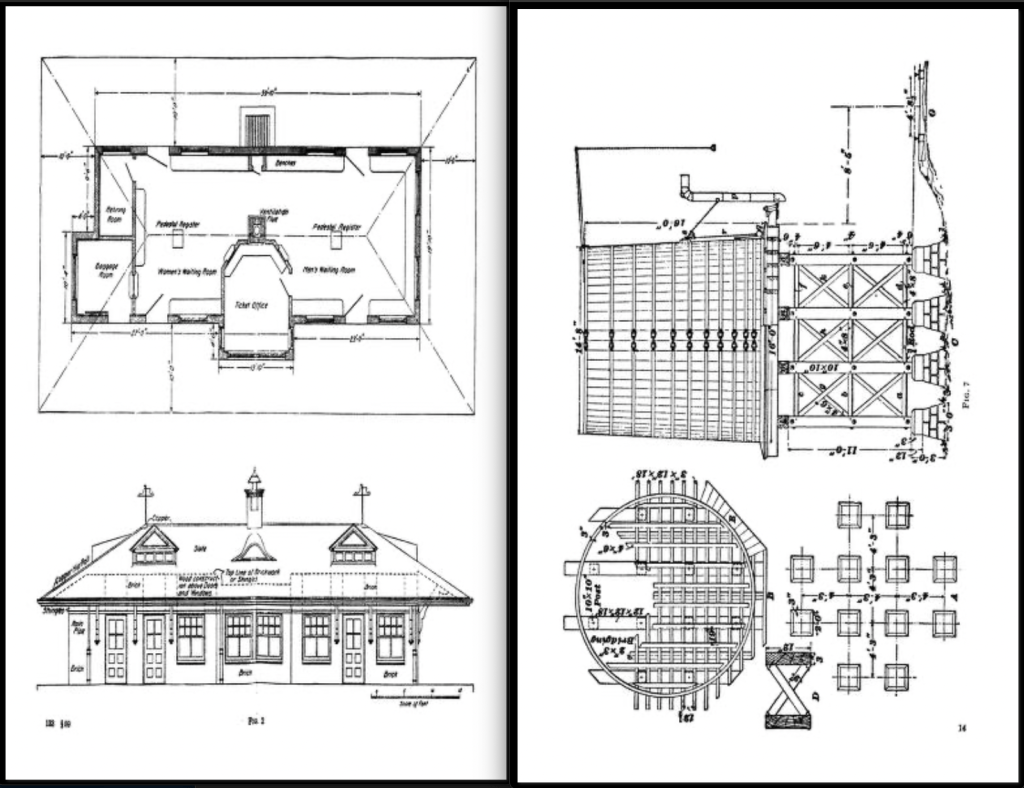
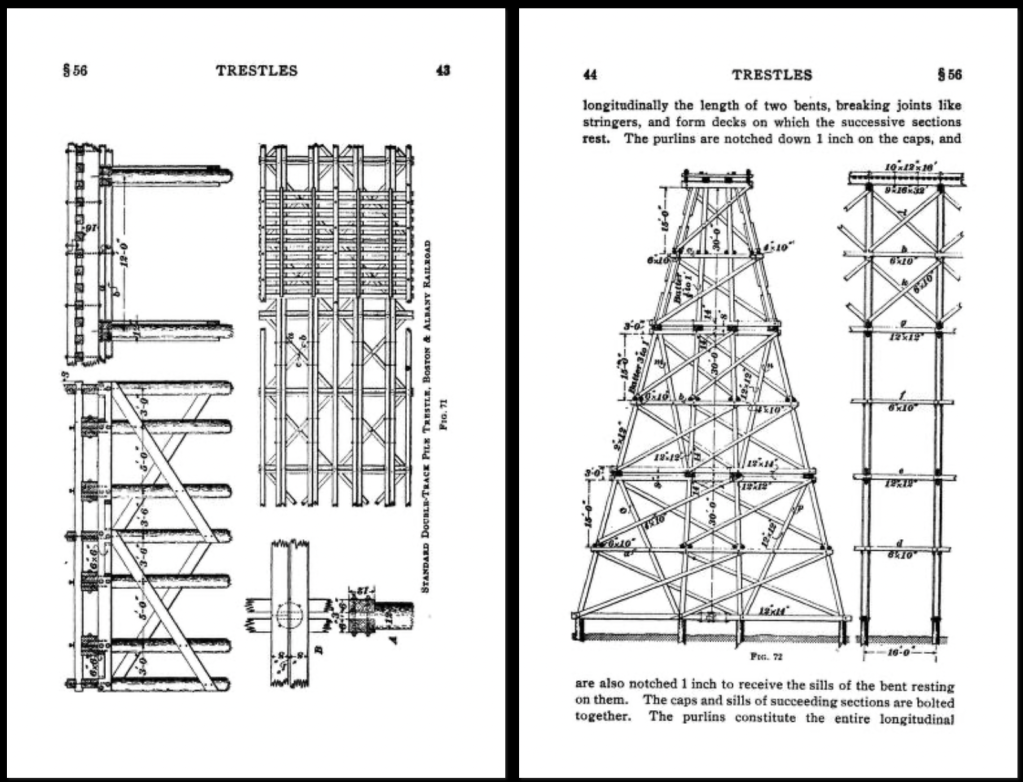
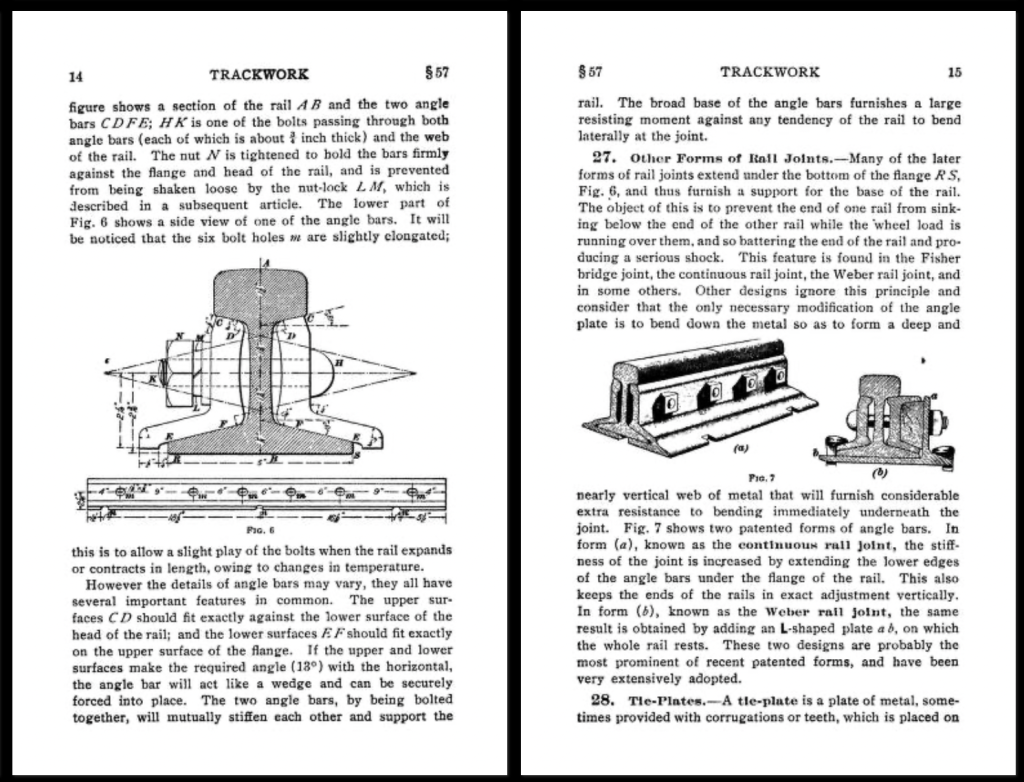
For everything else railroad related, I’d recommend the I.C.S. Reference Library, Vol. 133_Railroads, 1908. This is a 800+ page manual that covers the infrastructure of railroads, including track design and layout, covering standard track schematics, bridges, rail specs, buildings, service facilities, and sections on road and highway construction, and city surveying and survey drawings.