18 Design Reference Books You Should Have On Your Shelf (UPDATE)


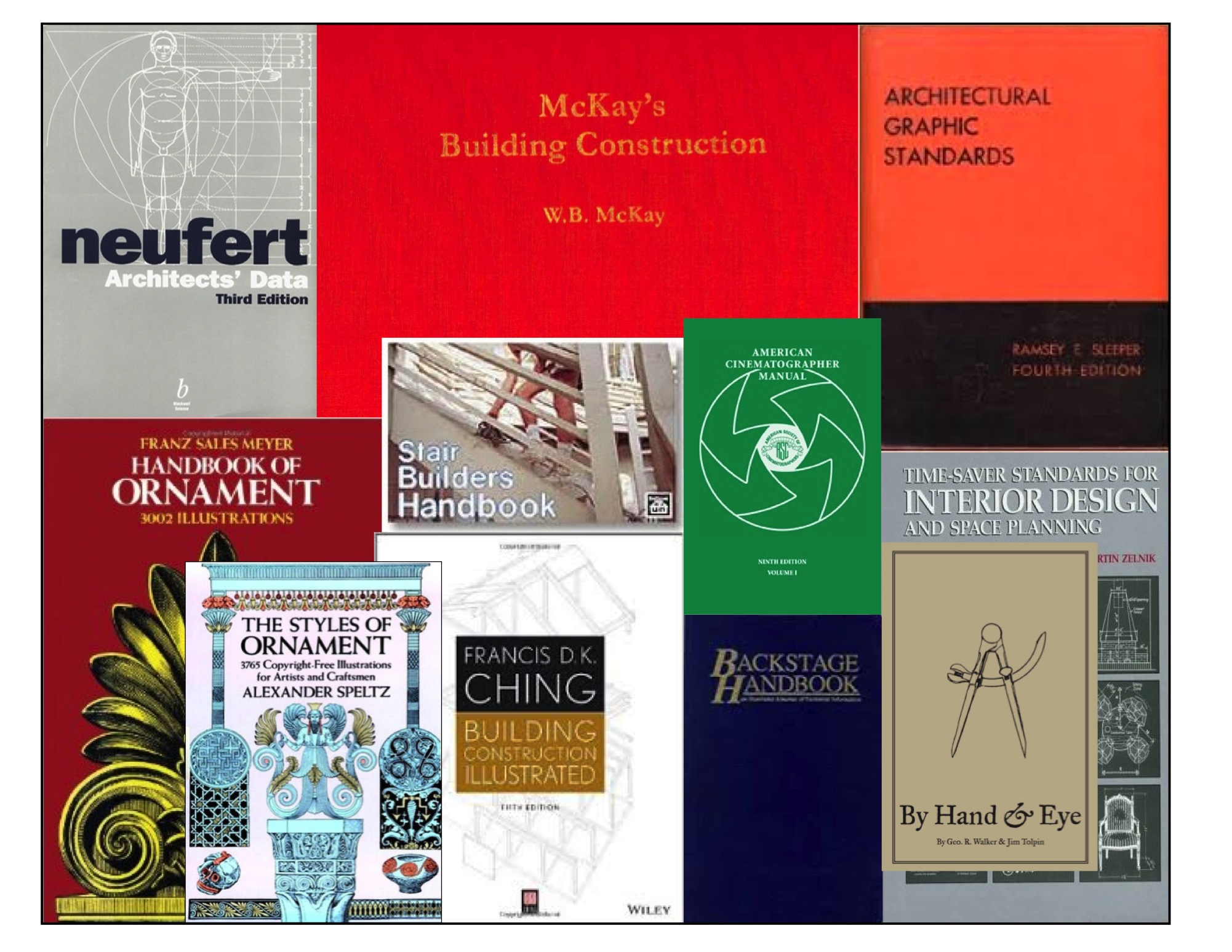
design book montage_1

Ten years ago,  I wrote a post on 10 design books that I thought everyone should have. Looking at that list now, I think I need to expand on it by adding a few more to the list.

Here is my must-have list with sources:

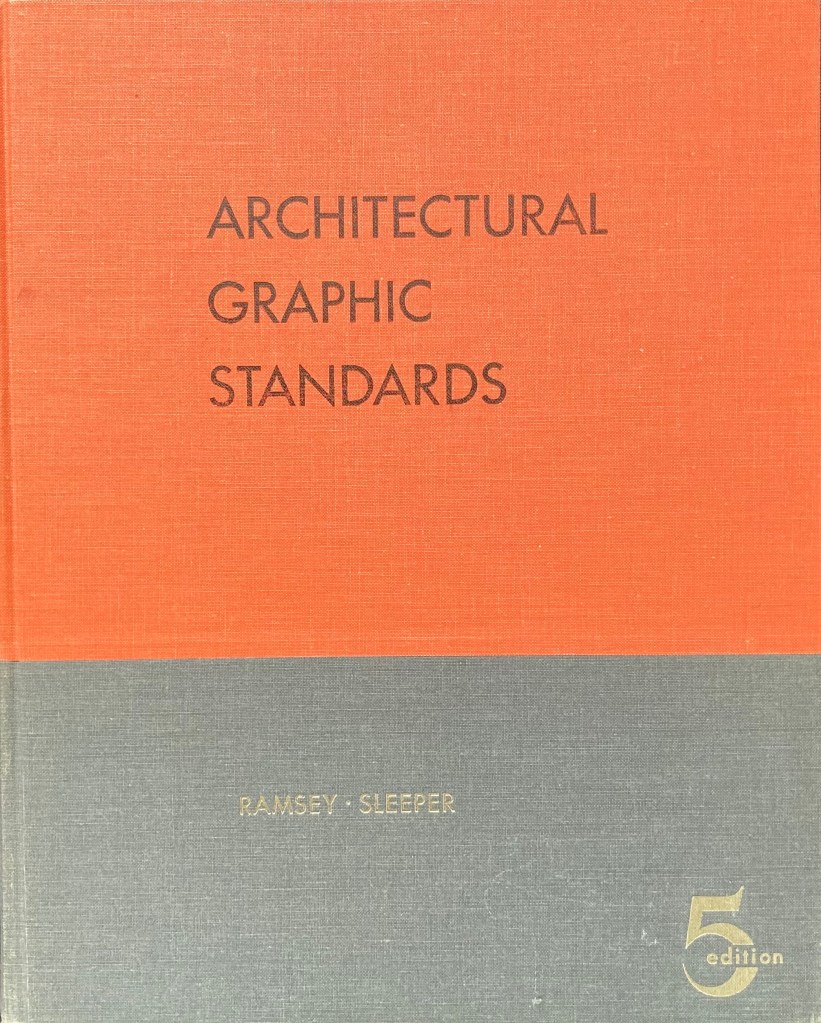
1. Architectural Graphic Standards – 5th Edition –

This was when the books were filled with great hand drawings and actually showed you in detail how things were built. There are lots of period details as well. Out of print for over 50 years, (at least in this edition) you can still find copies for anywhere from $20 to $200. The 3rd edition would be a suitable replacement. the first edition is also good to have and has been reprinted several times. Check Abebooks for copies. Not available digitally.

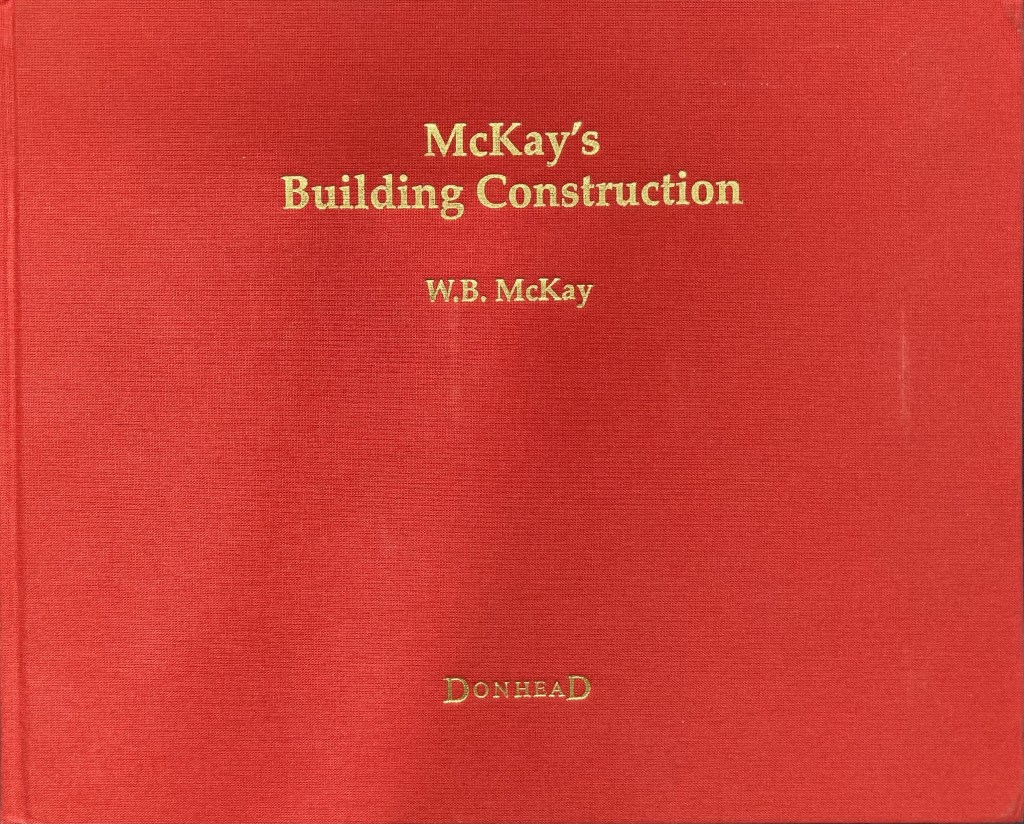
If you are in Great Britain, McKays is the closest equivalent, and is actually superior in a number of ways from our standpoint as set designers. On the Continent, an older copy of Neufert’s is a must. See this earlier post for details. Not available digitally.

___

Another option in England is Period House, by Jackson & Day, which goes into extensive detail about common interior architectural elements for restorers. In Germany, the best book on period construction I’ve found is Konstruction Und Form Im Bauen, by Friedrich Hess. There are lots of very nice drawings and measured details. It’s long out of print but you can still find copies second-hand. In Sweden, an excellent book on traditional construction is Stora Boken Om Byggnadsvård, by Göran Gudmundsson. This is a current book and still in print. In Italy, a nice book on traditional construction techniques with detailed drawings is  Il Legno e L’arte Di Contruire Mobili e Serramenti. None are available digitally.

***********************************************************************

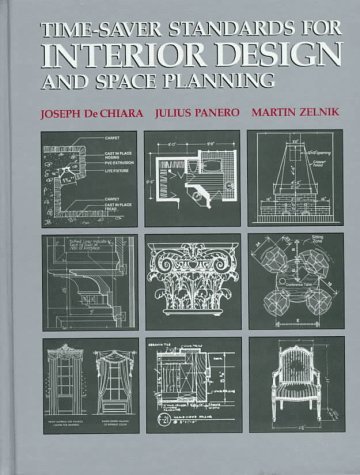
2. Time-Saver Standards for Interior Design and Space Planning, 2nd Edition.

This is the interior design complement to Architectural Graphic Standards and covers nearly every situation regarding building interiors. You can find used copies for around $50. There is a digital version available but it’s not only difficult to navigate because of the size of the book but at the price you’d be better off getting a hardback edition.

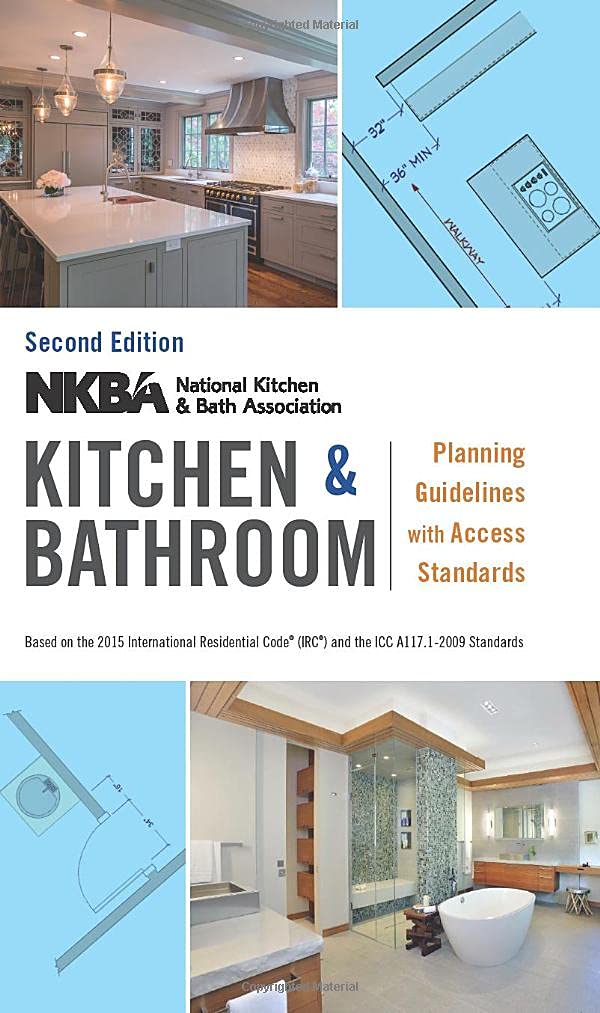
Another companion to this is a nice slim book that is for kitchen and bathroom standards in the U.S. The NKBA Kitchen & Bathroom Planning Guide was created to make common building codes and layouts available to designers in an easy to use format.

*********************************************************************

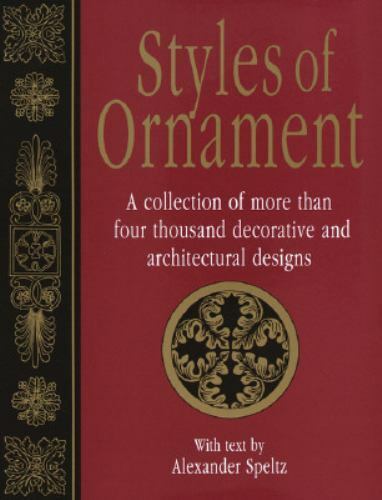
3. Styles Of Ornament – Alexander Speltz.  

Originally published in 1904, this book uses over 4000 drawings to illustrate 6000 years of historical design. As a general design reference I don’t think it has an equal. Architecture, furniture, text, carving, metalwork are all covered. A must-have. About $20 new.

The Handbook Of Ornament by Franz Meyer would be a close second. Available from a number of publishers for as little as $10. A digital version is available.

Low Budget Option- download the online PDF here.

******************************************************************

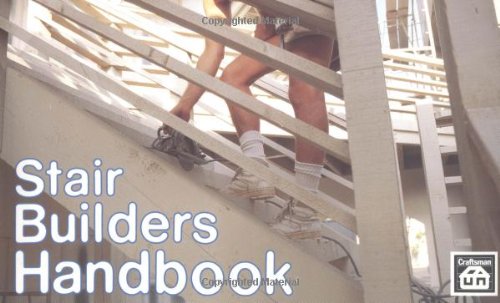
4. The Stair Builder’s Handbook – T.W. Love –

Not a design book, but a book of rise-and-run tables that make stair layout a breeze. Available from various sources for about $20.

Low Budget Option – download the PDF Common Sense Stairbuilding and Hand-railing. Skip the mind bending section on handrail layout and skip to page 99. Also, Stair building, which has a nice section on ornamental ironwork.

*******************************************************************

5. Backstage Handbook – Paul Carter.

Originally a technical manual for theatrical designers, the book is full of great information for film work as well. There are more details in this earlier post from several years ago. It is one of the most widely used books on stagecraft in the U.S. Available from Broadway Press for about $22. No digital version is available.

********************************************************************

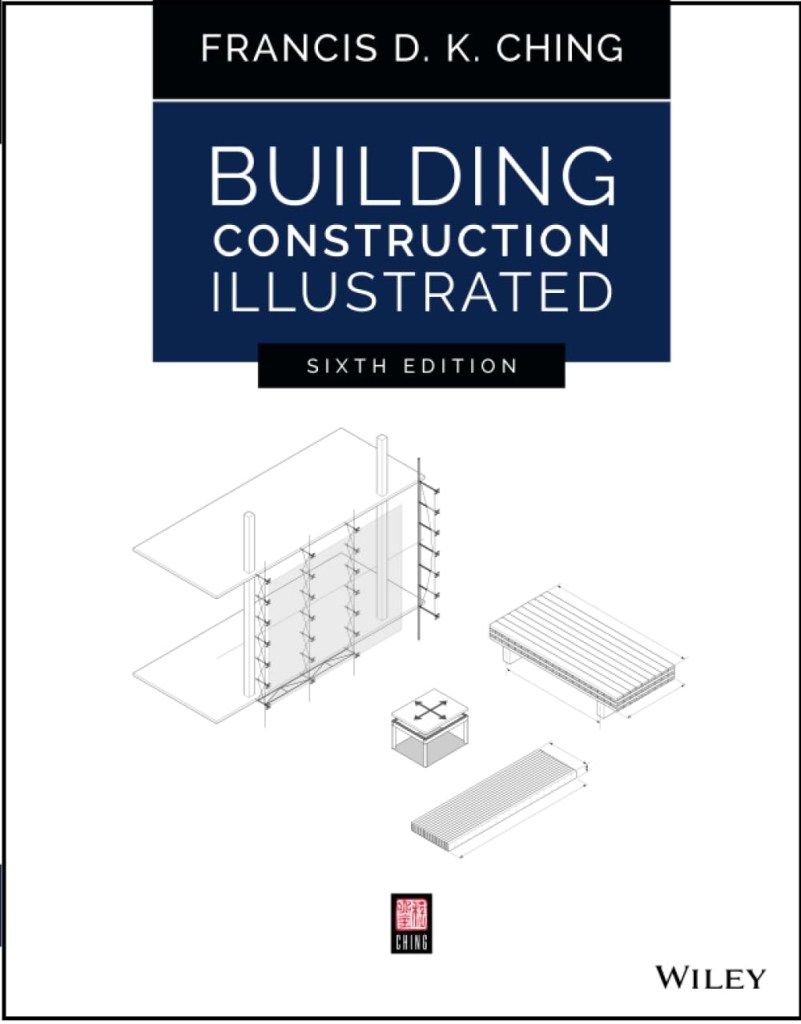
6. Building Construction Illustrated – Francis Ching.

An excellent and thorough book about construction details including wood framing systems and masonry. About $46.

Low Budget Option – access the online PDF here of the 4th edition.

********************************************************************

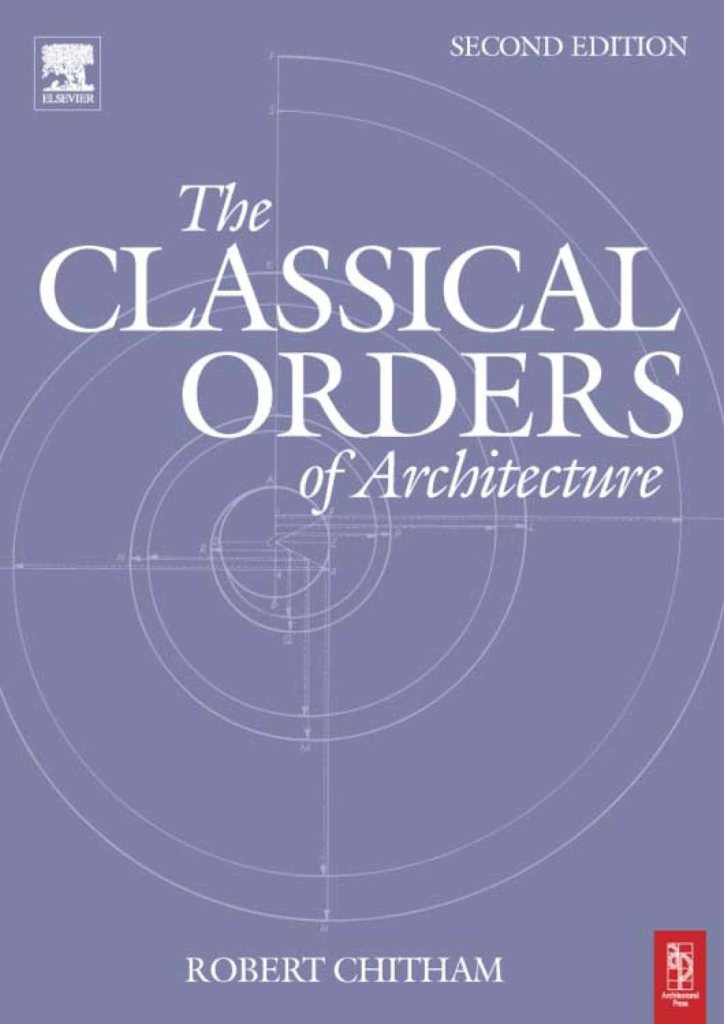
7. The Classical Orders of Architecture – Robert Chitham

I think this is the best modern book around that deals with the classical architecture proportional system. This book was out of print for quite a while and fortunately is back in print. The new edition deals with the proportions for both metric and Imperial systems. Copies can be found for about $55.

Low Budget Option – Get the PDF of American Vignola by William Ware and The Five Orders by Vignola.

*********************************************************

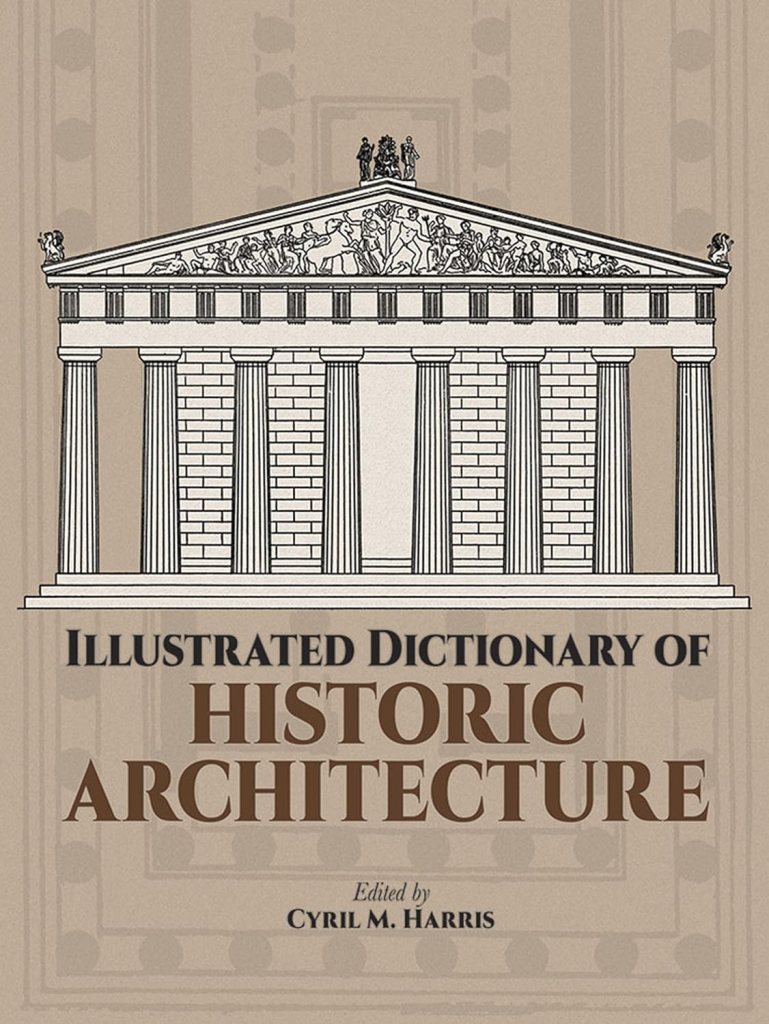
8. Illustrated Dictionary of Historical Architecture – Cyril Harris

With over 5000 terms and 2000 line drawings, this book covers architectural history from the ancient period to 20th century Modernism. Along with the European styles, it covers Japanese, Chinese, Indian, Islamic and Mesoamerican styles. About $35 from various sources.

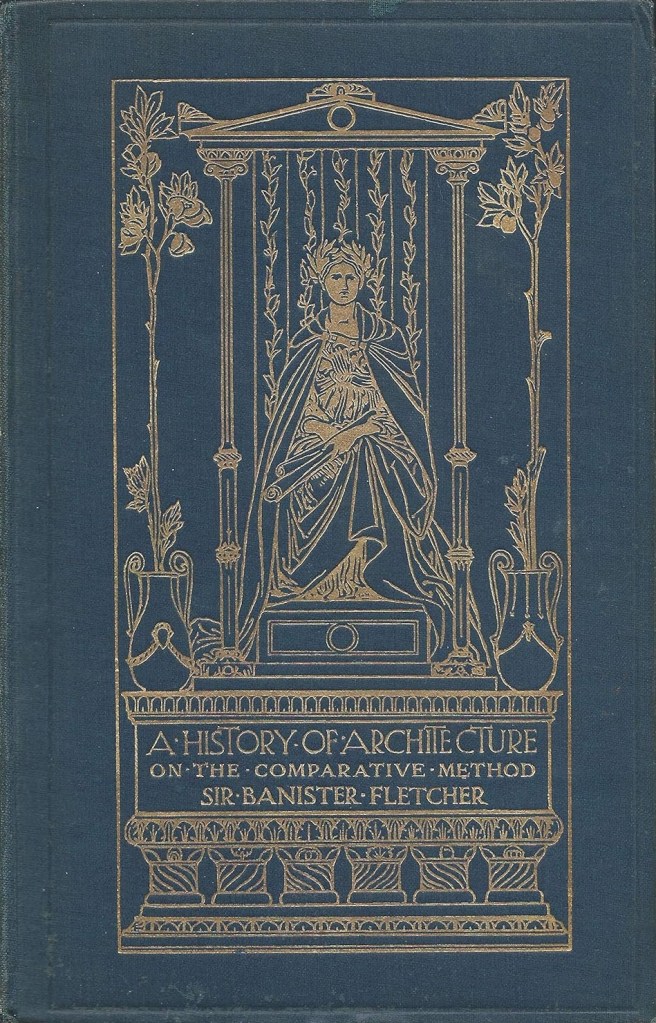
Another classic book in a similar vein is A History of Architecture On The Comparative Method, by Sir Banister Fletcher. This dense, fully-illustrated book covers the time periods from ancient times to the 20th century, focusing on Western culture. It was the most widely used general architecture reference book for decades.

Used copies are easy to find for around $20. A good scanned copy of the 1905 edition can be found in PDF form here for download. Avoid reprints. Most of them are badly scanned from originals and the fine details of the illustrations is lost. A 20th edition has been published in two volumes that comes in at over 1600 pages and includes new sections on cultural architecture from countries not fully represented in the original edition. This runs at around $250.

******************************************************************

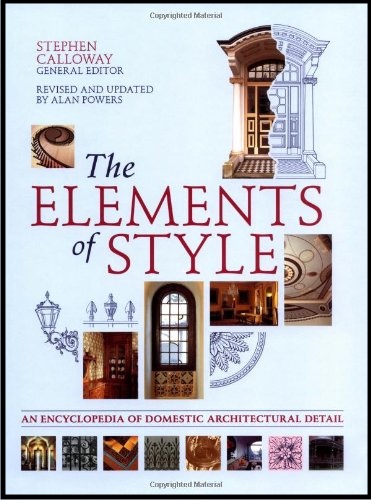
9. Elements Of Style – Edited by Stephen Calloway

This has been a standard Art Department reference manual for quite some time. Subtitles as “a practical encyclopedia of interior architectural details”, the book covers the periods from 1485 to modern day. Each chapter covers a different time period and is separated into thirteen sections which each feature an interior element, making it easy to cross reference similar elements from other time periods. The book includes over 3000 drawings and 1300 photographs to accompany the written analysis. In hardcover for around $75. Used editions can be found for as little as $20.

******************************************************************

10. By Hand & Eye – George R. Walker & Jim Tolpin.

If you’re just starting out in set design this is one of the first books I’d tell you to buy. Bad proportions can ruin a design. This book will give you a solid understanding of proportion and keep you from making simple mistakes. You can download a sample chapter here. Also, I wrote a longer post on the book earlier. Walker and Tolpin are promising a workbook that will come out later this year based on the book’s concepts so look for that. Available from Lost Art Press for $51, hardbound. A PDF is available for $24.

*******************************************************************

11. Principles Of Design – William Varnum

This is a recent reprint of a book published in 1916 under the title Industrial Arts Design. The book lays out the basics of design, with step-by-step rules for designing not just furniture but pottery and metalwork as well, with sections on enriching a surface with detail or hardware. The rules translate easily to architectural forms and will seem like obvious, common-sense choices once you are exposed to them. This hardback edition is the second run of a limited printing. By Lost Art Press at their website. Hard cover edition is $41.

*****************************************************************

12. Human Dimension & Interior Space – Panero & Zelnik

This book explains the science of anthropometrics, which is the study of human body measurements on a comparative basis. Whether you are designing interior elements, furniture, or vehicles, this book will help you create those spaces with easy to read diagrams and charts that detail the huge disparity in shapes, sizes, and capabilities of the human form. The authors warn against designing for a ‘standard size’ human body which in fact, does not exist. New in hardcover at about $24. Digital versions are also available.

*****************************************************************

13. Field Guide To American Houses – Virginia Savage McAlester

Described as the “definitive guide to identifying and understanding American domestic architecture”, this book is considered an essential source for understanding the myriad of styles and elements that define American houses. With over 1000 drawings and photographs, the book separates the various styles into chronological categories and explains the details and accents that define each of them with clear, simple sketches. The second edition is about $24 in paperback.

****************************************************************

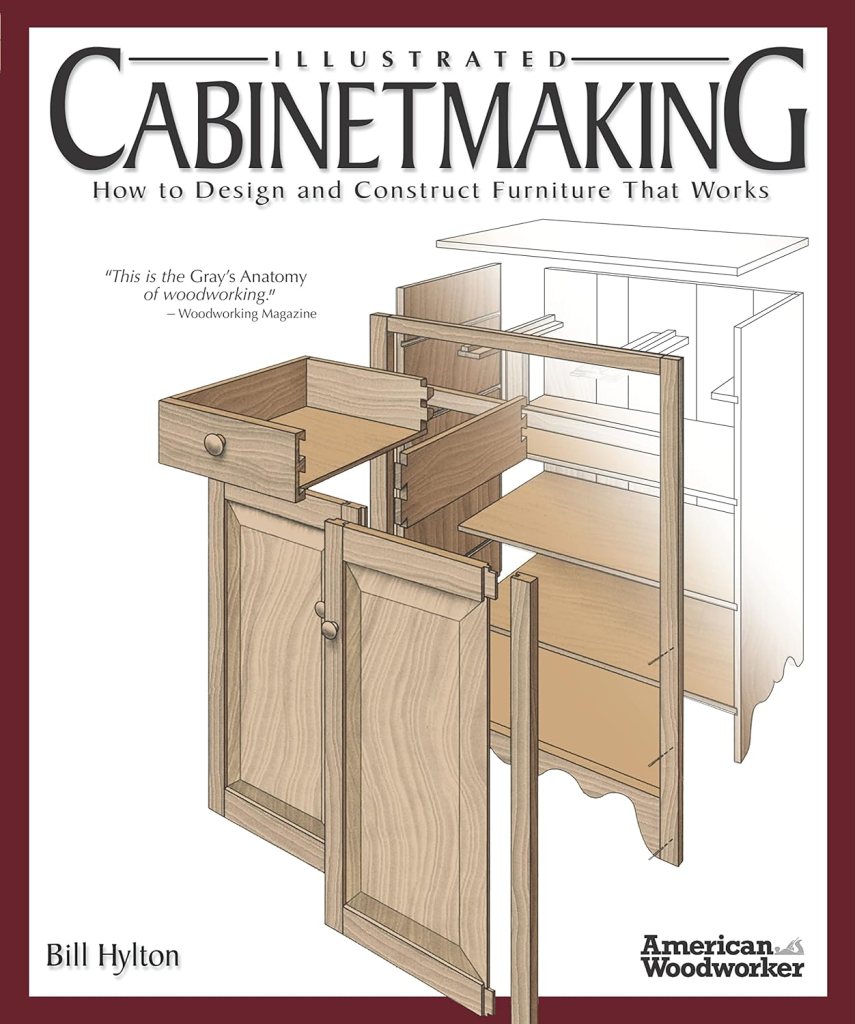
14. Illustrated Cabinetmaking – Bill Hylton

I covered this book in detail in an earlier post. One reviewer referred to this book as the Gray’s Anatomy of woodworking, and that’s a pretty accurate description. If you’re going to design furniture you need to understand how it’s built, and this book explains it with over 1300 color illustrations and exploded views of 90 different pieces of furniture from different time periods. There are sections on joinery, standard dimensions, and sources for construction drawings. Paperback editions are about $24. Digital editions are also available.

***************************************************************

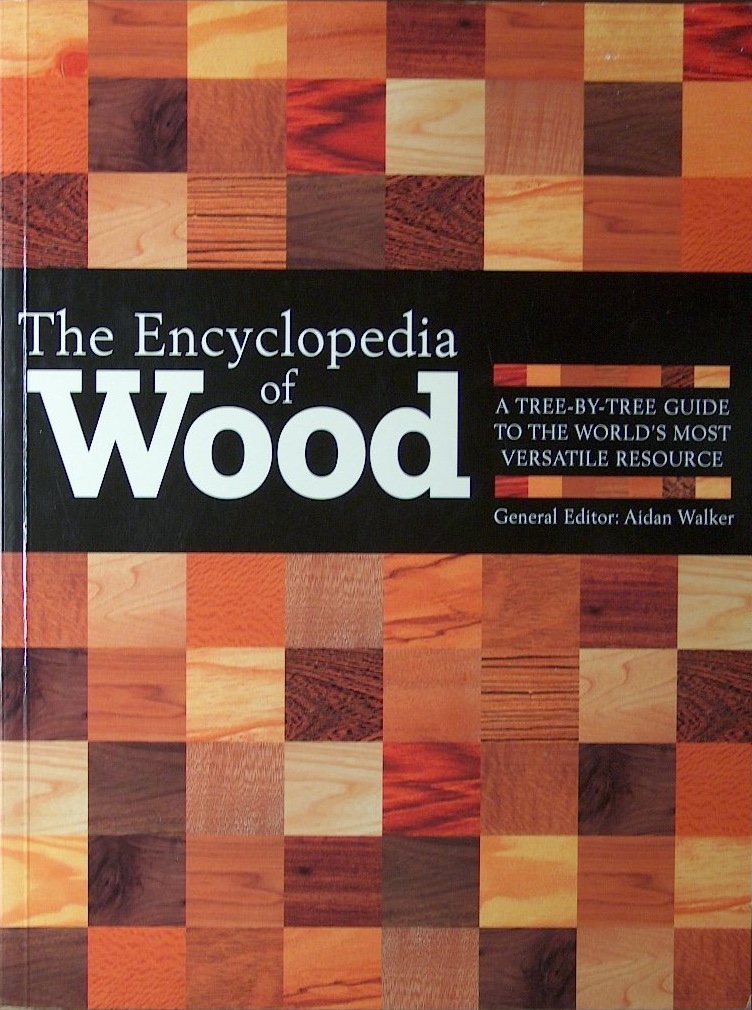
15. The Encyclopedia Of Wood – Aidan Walker, Editor

There are numerous books on tree identification but this one stands out to me because of the variety of wood that it covers and the large, clear color photographs of each of 150 species grain patterns and figure. There are also chapters on how wood is processed, what wood movement is, and how veneers and lumber are milled. In paperback for about $35.

***************************************************************

16. American Cinematographers Manual – American Society of Cinematographers

The new 11th edition will cost you about $120 in hardback and almost the same in it’s digital version through the iTunes and Android sites. Earlier used editions can be purchased for a third of the price of a new edition, but much of the latest technology isn’t in them. This is the go-to book for all things dealing with cameras and image capture. A lot of people will tell you you don’t need this. I’m sure you might also have a great career as a car designer without knowing anything about how cars work. Because when it comes down to it, all we’re really doing is designing big, pretty things to bounce light off of. Just remember, if the department names were based on physics we’d be the Light Reflector Design Department.

 *************************************************************

17. The VES Handbook Of Visual Effects – Okun & Zwerman, Editors

Published by the Visual Effects Society, this +1000 page book covers every type of visual effects shot you will encounter. From in-camera effects like miniatures and mechanical effects to green screen work, motion-tracking, LIDAR, tracking shots, LED wall stages, and everything in between. It’s the most complete book on visual effects that has been produced so far. Consider it to be a complementary reference to the American Cinematographers Manual. In paperback, the new third edition costs about $65.

***************************************************************

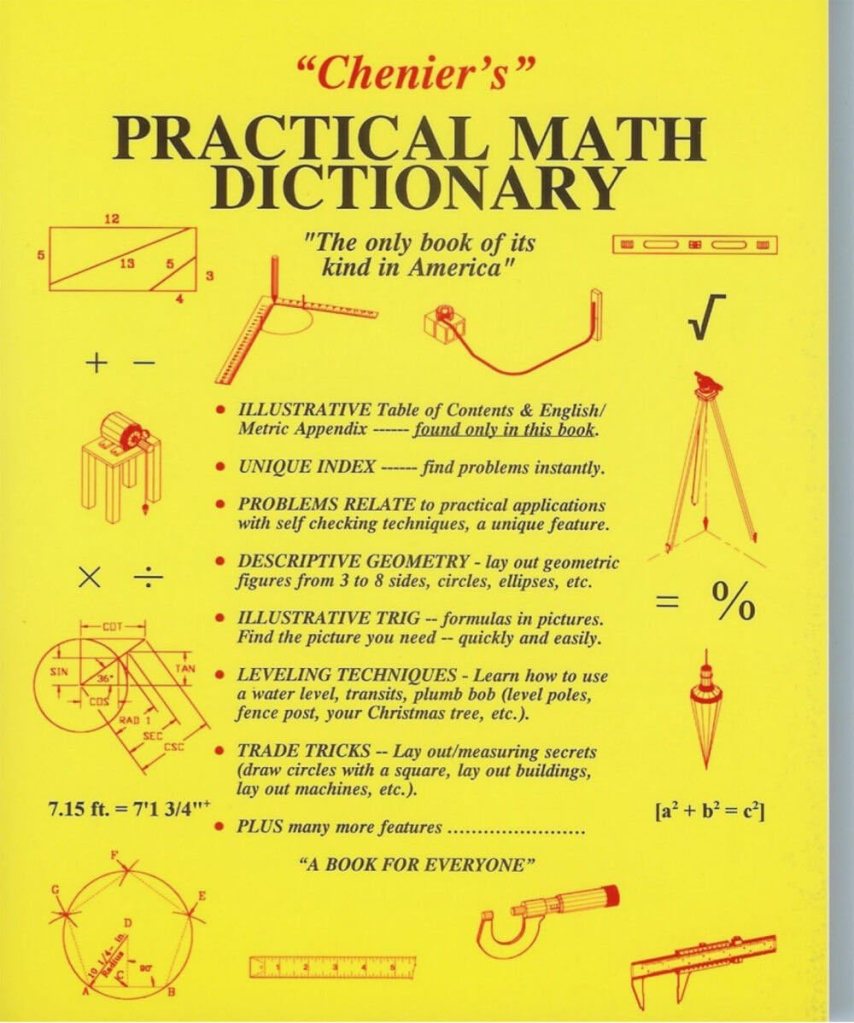
18. Chenier’s Practical Math Dictionary – Norman Chenier

This book is an odd duck in many ways but it has been a real time saver on a lot of occasions. There are sections on descriptive geometry, survey and layout techniques, solutions to common math problems, and other information that you’ll struggle to find anywhere else. In paperback, the latest edition is $26.
Why You Should Go To The Cine Gear Expo – Tickets Free Until May 27

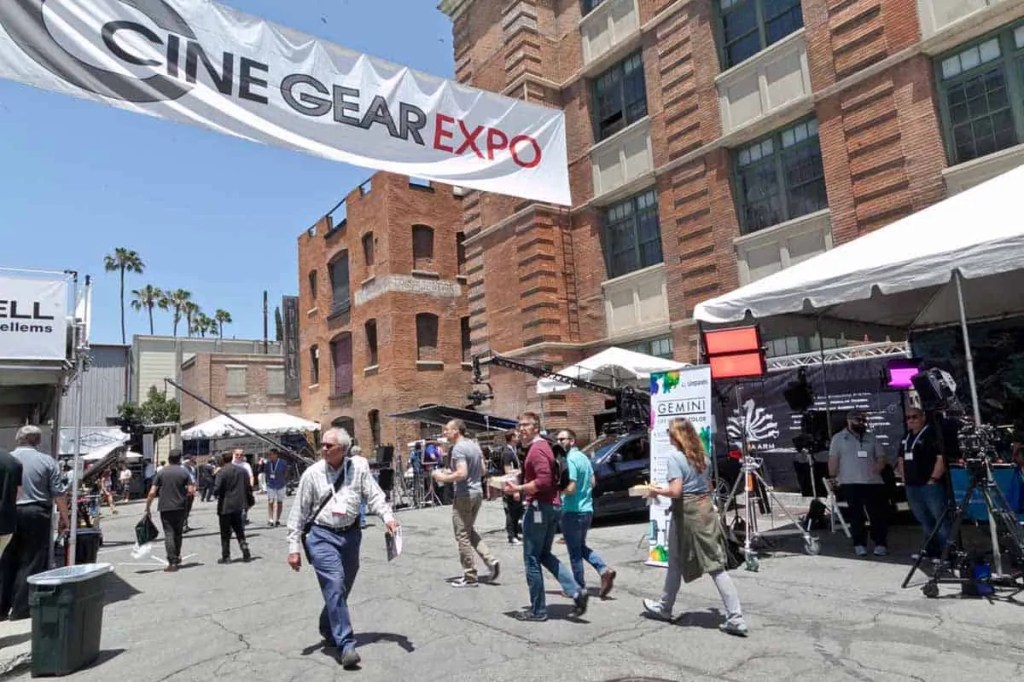
The Cine Gear Expo will be held at Warner Bros Studios from June 7th to the 9th this year after a long run in past years at Paramount Studios.
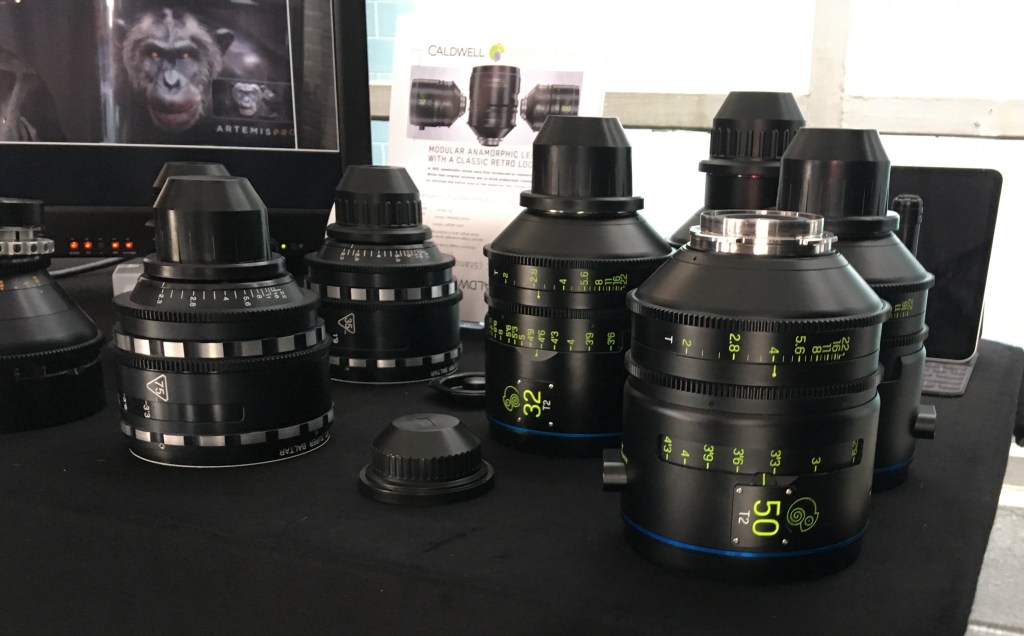
The event has finally returned to its pre-pandemic size and has been a must-attend event for cinematographers, gaffers, and technicians in the entertainment industry for some time.

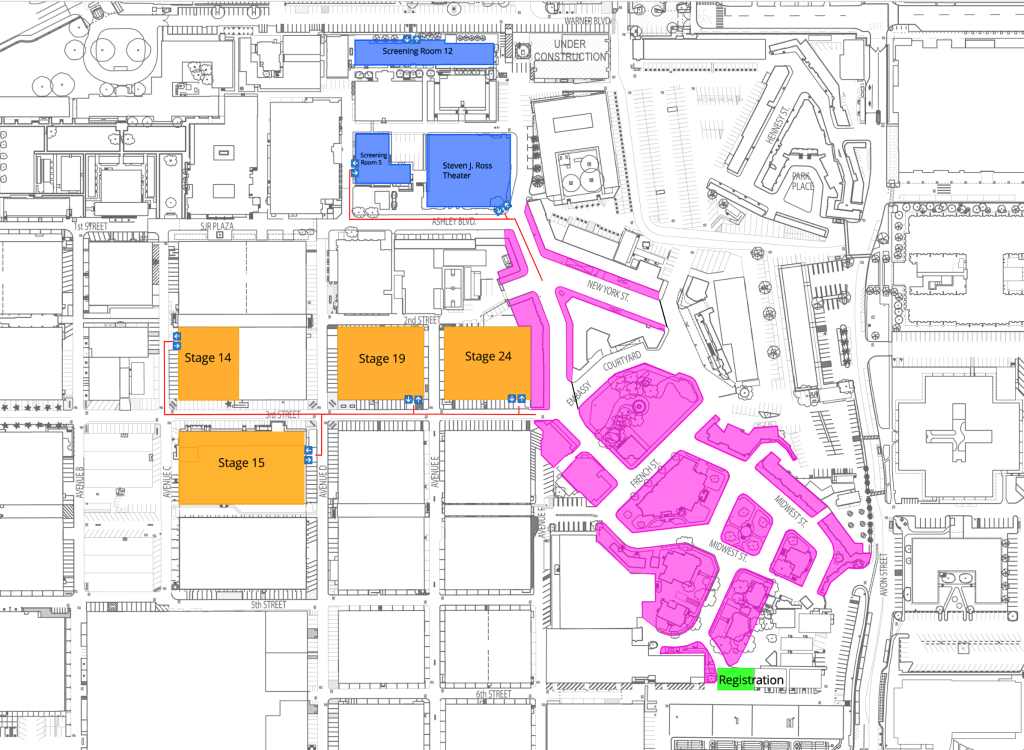
This year’s event will feature exhibits, demonstrations, and presentations by over 250 vendors as well as special seminars and master classes. The exhibition area will fill most of the Warner Studios backlot area as well as stages 14, 15, 19, and 24.

The Reasons You Should Go

Maybe you’re not that interested in camera or lighting equipment, so you’re wondering why you should bother attending. You may not be excited right now by the latest in what the new technology has to offer but you should be, because it affects your job whether you want to believe it or not.

The technological leaps that have been made in the last few years in LED lighting and new digital camera sensors alone have transformed filmmaking and, by proximity, the way stage sets are perceived, shot, and expected to perform.

You ignore camera and lighting technology at your own career’s peril.

There are hundreds of vendors there who are very eager to help you understand what their products are and how they work. You really shouldn’t be intimidated if you aren’t familiar with the basics, they are there to educate you in the new ways of making ‘pictures’.

Think of it as a free weekend film class where the ‘instructors’ are eager to answer any questions you might have. Think of the times you’ve been curious or baffled by the terms a DP is tossing around and being afraid to admit that you have no idea what they’re talking about.

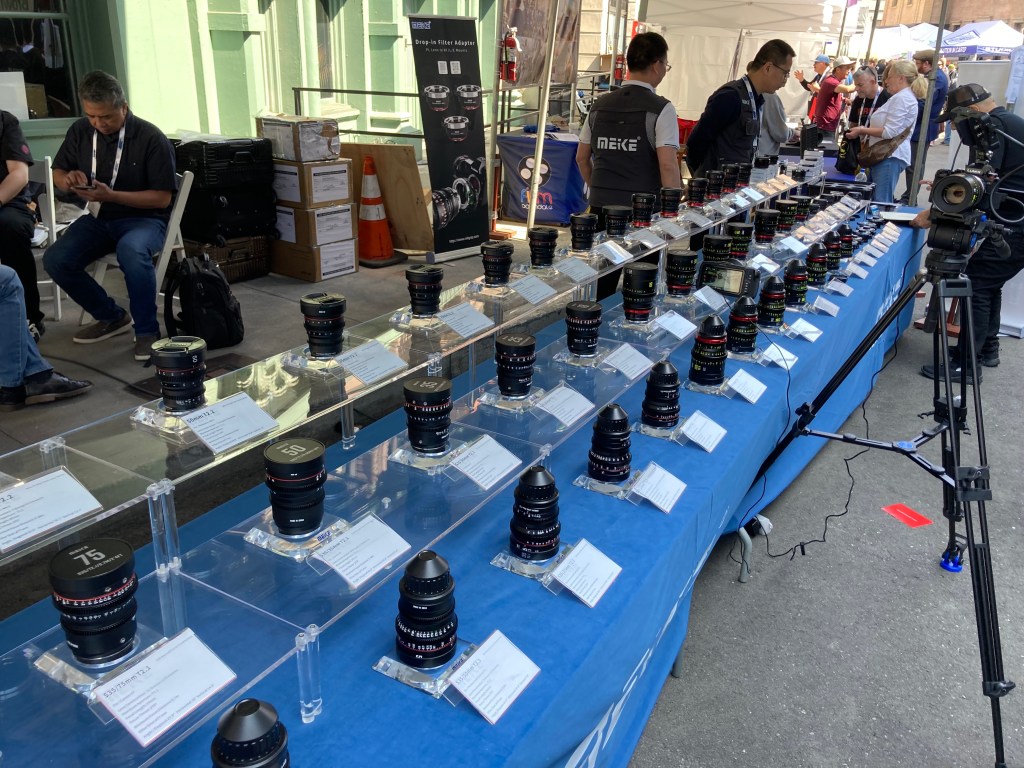
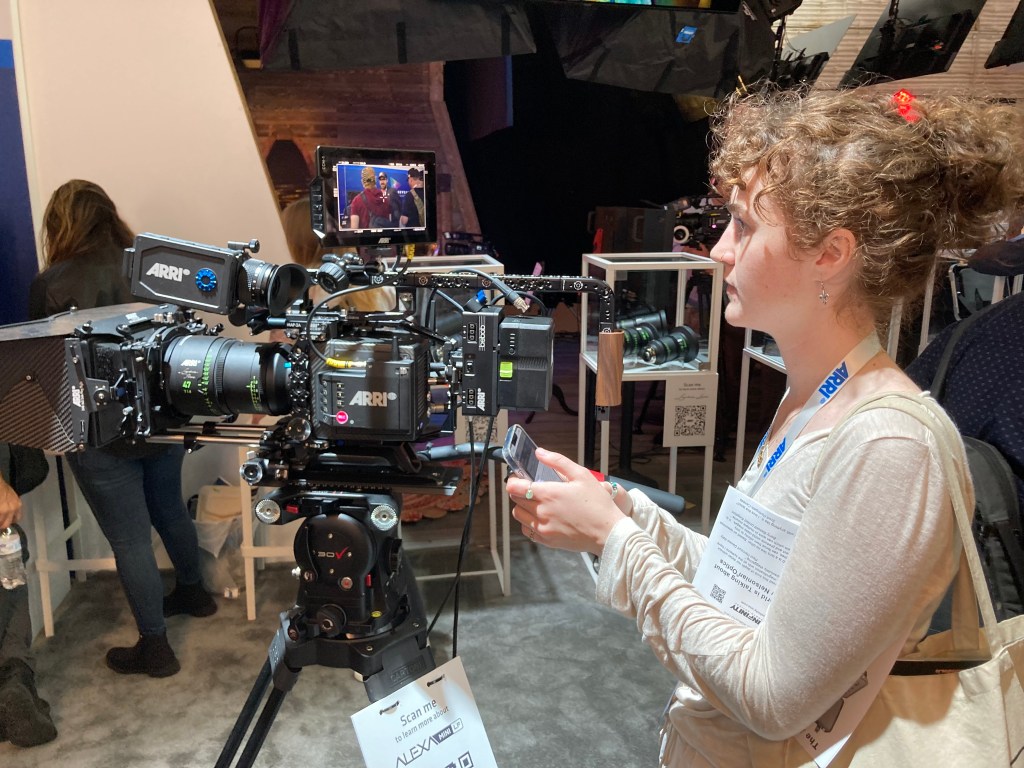
At the expo, you’ll not only get to see the latest cameras up close, but you can operate them too. The next time you want to play with a new Arri or Sony, it’ll cost you $800 or more in daily rental fees, plus insurance. Here you can see them all, in one place, and talk to people who are experts in everything about them. You will never see so many cameras and lenses in one place anywhere else.

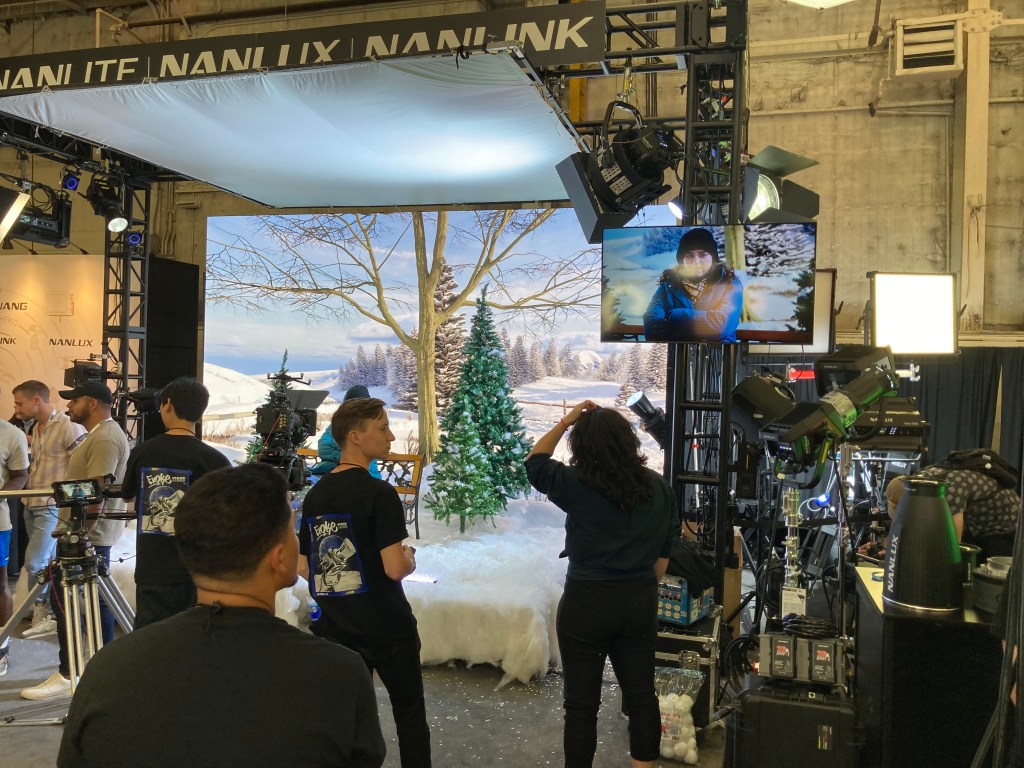
You’ll also see the latest in lighting, new LED volumes, digital screens, cranes, and specialty equipment.

Register for free here.

If you can’t make the Los Angeles show, there are expos in Atlanta in the Fall and in New York in early 2025, But LA is by far the largest show.

Cinegear Expo – Why You Should Go

First of all, this is not a paid ad. I’m getting nothing out of doing this post other than making people aware that they may be missing a big opportunity to take advantage of an event where they can learn a lot about the state of current and upcoming technology that is created specifically for the entertainment industry.

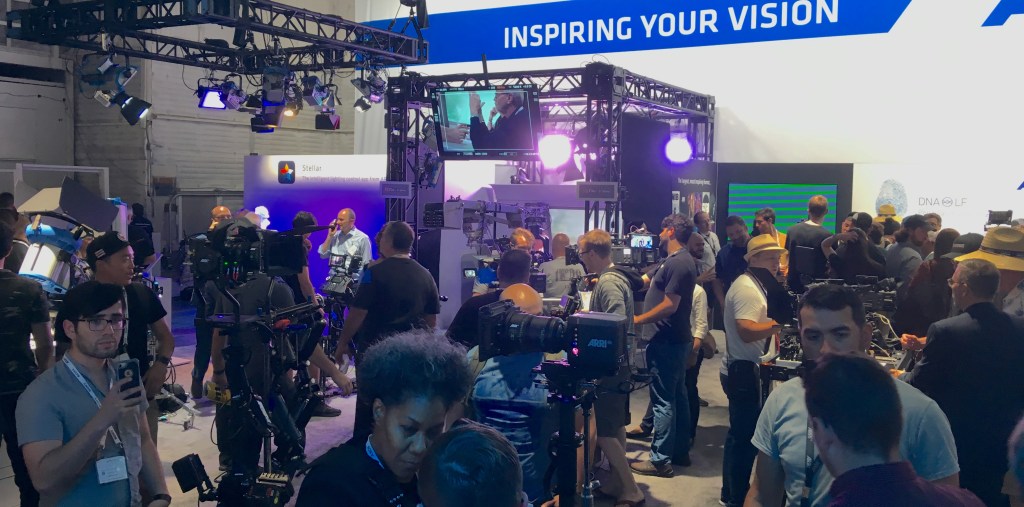
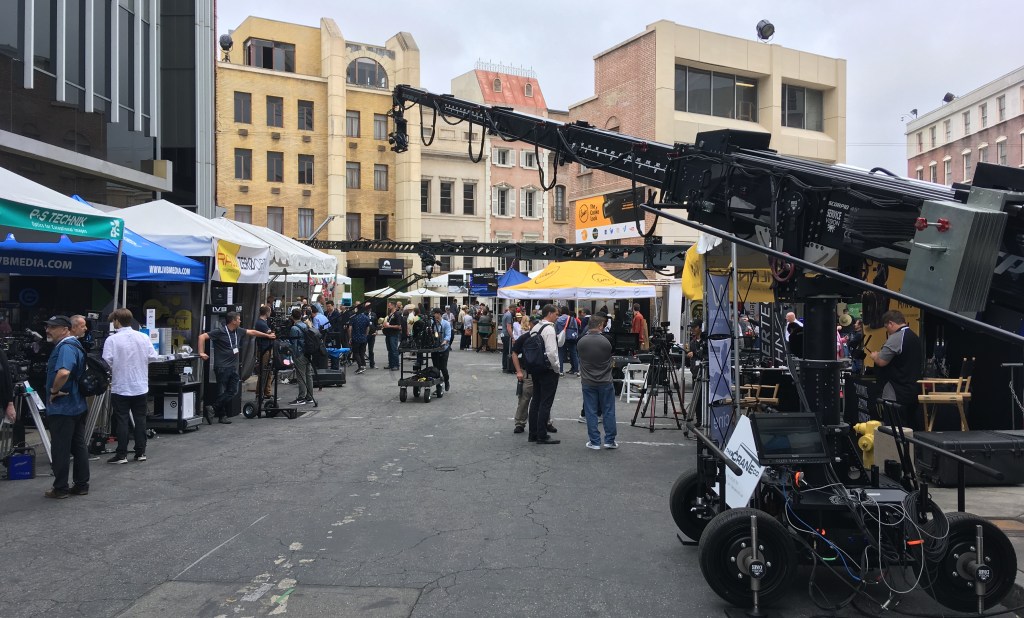
Cinegear is an annual expo that takes place in Los Angeles during the summer. This year it’s being held back at its usual spot on the Paramount Studios lot in Hollywood on June 1 – 4. (There was one in New York in March and there will be a slimmed down version in Atlanta in October). And, it’s free. Admission is now waived, you’ll just have to pay for parking in an adjacent structure.

Known mainly as a product expo for manufacturers and purveyors of cameras, lighting instruments and production equipment, the event is a perfect place for designers and art directors to find out about inventions and equipment that will affect their jobs now and in the future.

People who aren’t camera-savvy tend to be intimidated by the immense amount of hardware on display and assume that they have nothing to gain by spending a day looking at cameras and grip equipment.

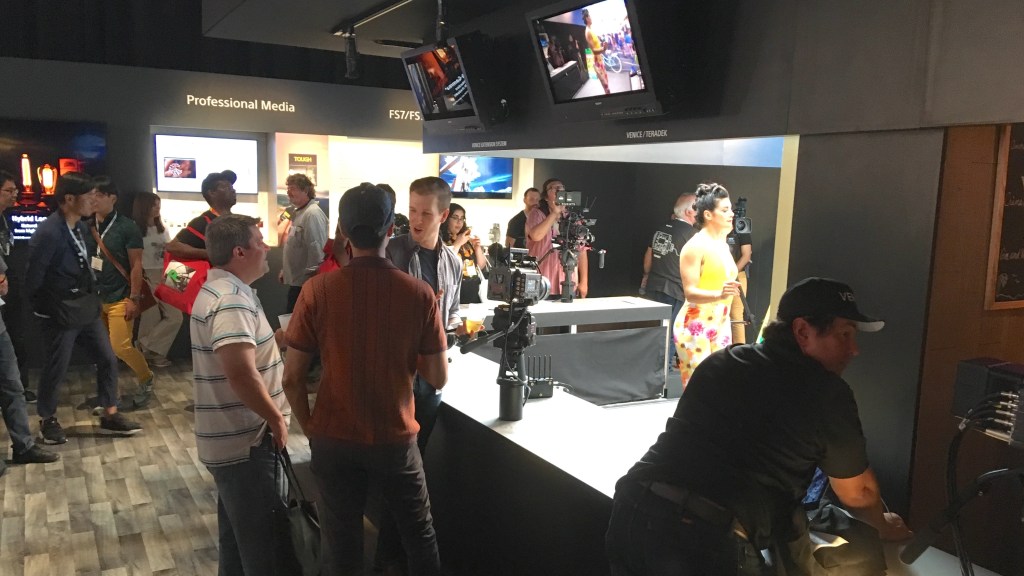
Yes, it’s geared toward professional camera crews, but they don’t make you take a test at the gate. The vendors are more than happy to answer any and all questions about their merchandise, even ones that you think might be simplistic. There are also hands-on exhibits and master classes available to anyone.

Where else can you go and see (and play with) every available cinema camera that’s on the market? My daughter loves checking out those $60,000 cameras that she can’t yet afford to rent.

At the Panavision booth they’ll even put any vintage anamorphic lens you want on one of their cameras so you can see them in action.

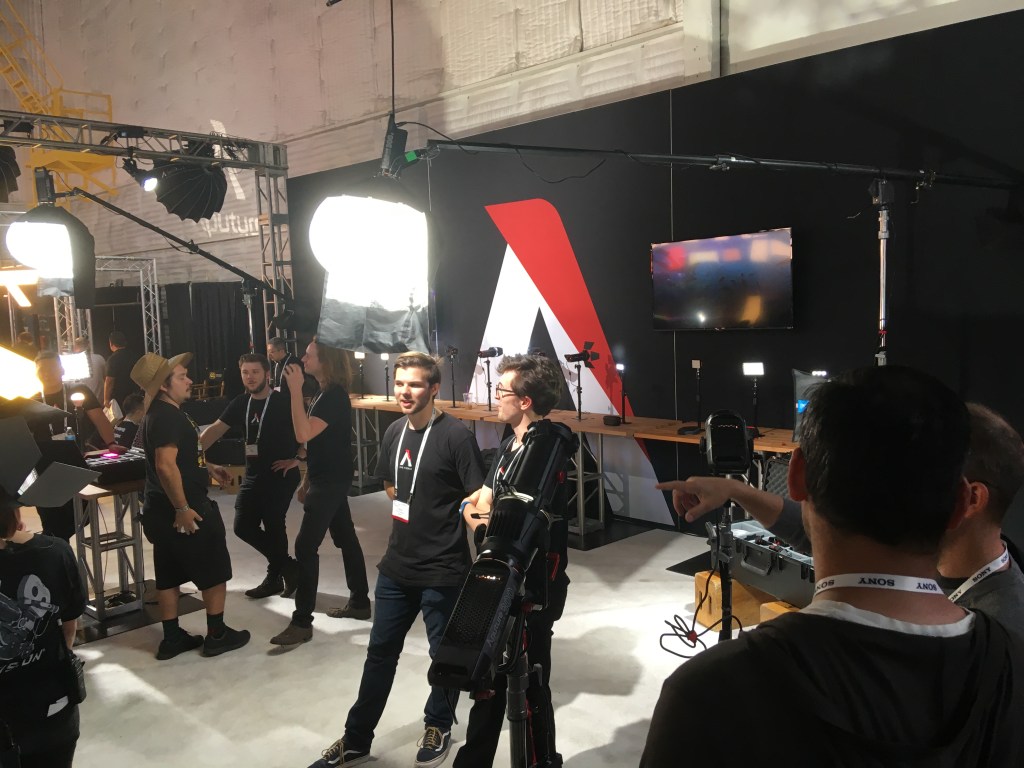
And it’s not just cameras that are on display. Vendors of new LED lighting instruments, LED wall systems, backings, pre-visualization systems, etc., are eager to show anyone involved in the business what the possibilities are. LED lighting instruments keep getting better, brighter, and smarter. The new Arri LED panels, for instance, are set up to mimic any color temperature or lighting effect.

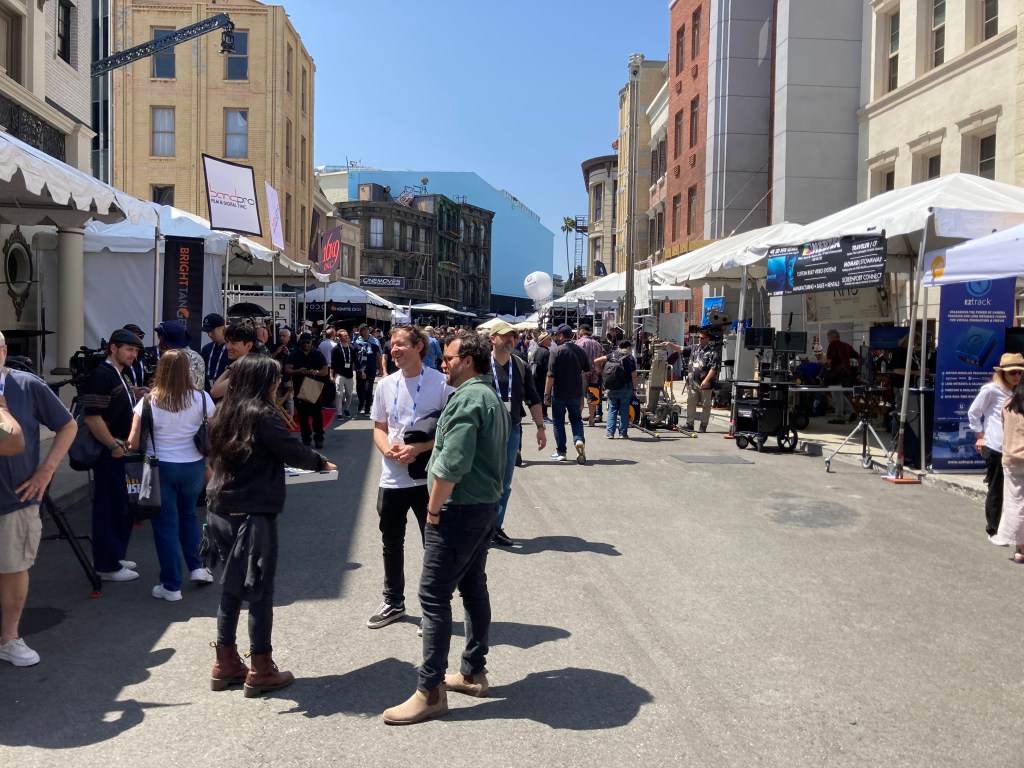
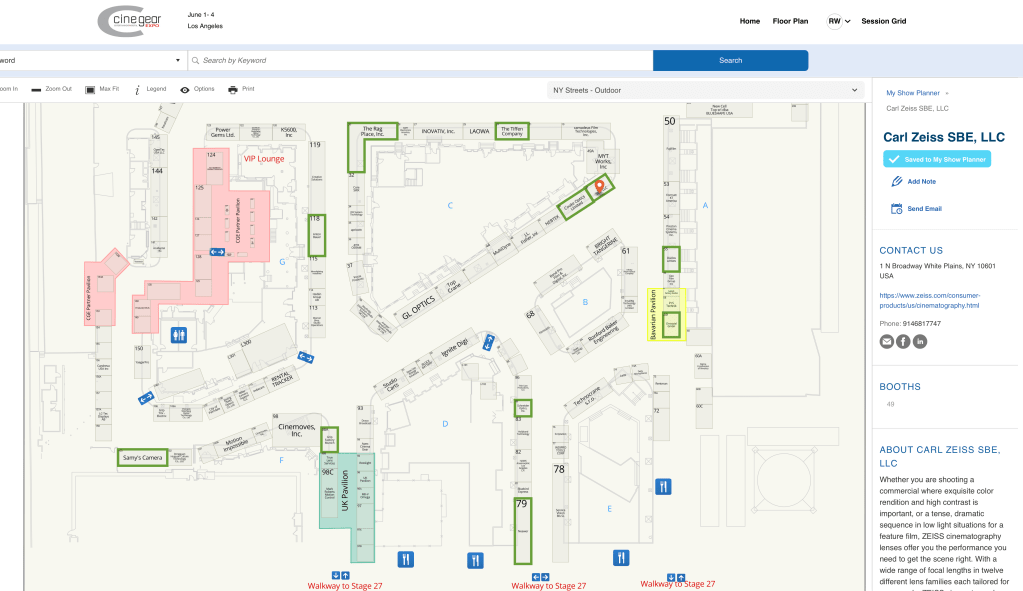
You can see a map of the vendor sites on their webpage, and you can create your own map to track booths you want to visit ahead of time if a fear of being overwhelmed by the size of the venue (nearly 200 vendors) is a concern. Vendor booths fill 5 sound stages and the entire backlot area.

Master classes are usually held on the last day and attendance quotas fill up quickly, so be sure and make a reservation in advance.

If you do go, save time by registering beforehand and skip the long line at the gate:

Registration page is here.

This years’s show should be well-attended. It’s been 4 years since the last show at Paramount. Last year there was a much scaled-down version at the Los Angeles Convention Center which was disappointing to say the least.

The $150 Forced Perspective Miniature – Part 2

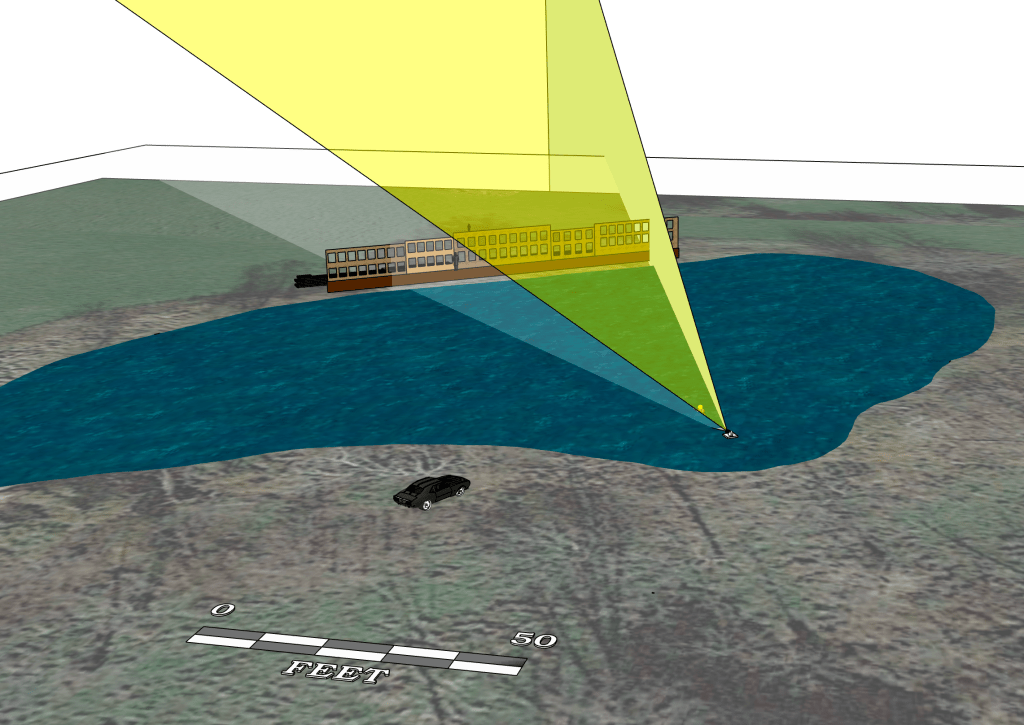
A diagram showing the set shot at the widest angle with a 25mm lens.

( This is the second part of a previous blog entry -Read Part 1 here. )

When the work print arrived from the lab, I couldn’t get it up on the flatbed editing machine fast enough. These were the days when you didn’t know for at least 24 hours whether or not you had captured anything on the film stock, much less something that looked any good.

A miscalculation in an exposure setting wasn’t something you could see beforehand on a monitor. If you had flubbed up, it could mean jettisoning the whole scene altogether. Sometimes reshoots, like this one, were just impossible. It wasn’t for nothing that I was nervous. The first scene of the film would end up having to be reshot twice. Once because of a mislabeled neutral density filter and another because of a sloppy meter reading.

This was when you kept Pepto Bismol handy for the times when you finally saw your footage and realized you had just spend a lot of time and money on film and processing for nothing.

The print ran through the viewer and the scene appeared on the screen. It was just a single-light print but I was relieved. We got a good shot. The next scene looked good too, exposure wise. Still, there was something that bugged me.

Never Work With Children Or Animals, Or . . . .

Miniatures of static or physical objects is one thing, but shooting miniatures with natural elements is another thing altogether. Replicating rain, bodies of water, smoke, and fire are tricky.

It’s the reason most model ships for films are built at a large scale. The model for James Cameron’s Titanic is over 25 feet long. It was a true milestone when VFX artists were able to create believable water effects.

Making a fire look like a really big fire or making water behave naturally in a smaller scale usually requires over-cranking, shooting at a faster frame rate so when you slow it back down to 24 frames a second, it smooths out the movements to a speed that looks more believable to the eye.

Unfortunately combining over-cranked footage with in-frame live actors was beyond my capabilities. Today this whole problem could have been solved by a high school student with a green screen and Premier Pro editing software. Not a big deal. I was stuck with in-camera effects.

So, the fire effects weren’t quite up to my expectations but the fact I had gone for a bigger size (as in extensive) backing helped minimize the effect. The focal length of the lens helped too, along with the shallow depth of field.

Analyzing Different Set-ups

Diagram of camera set-up

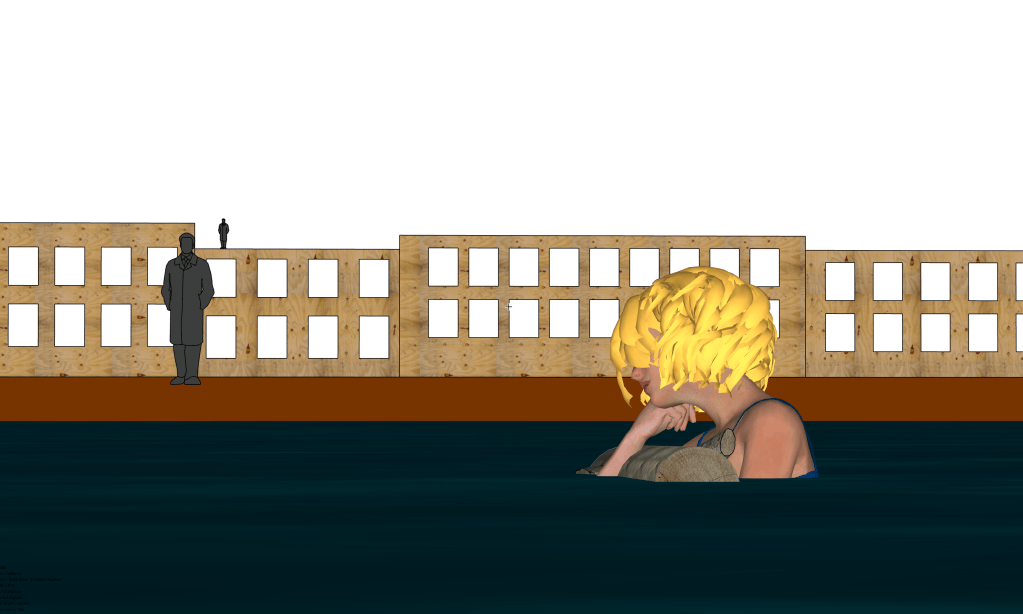
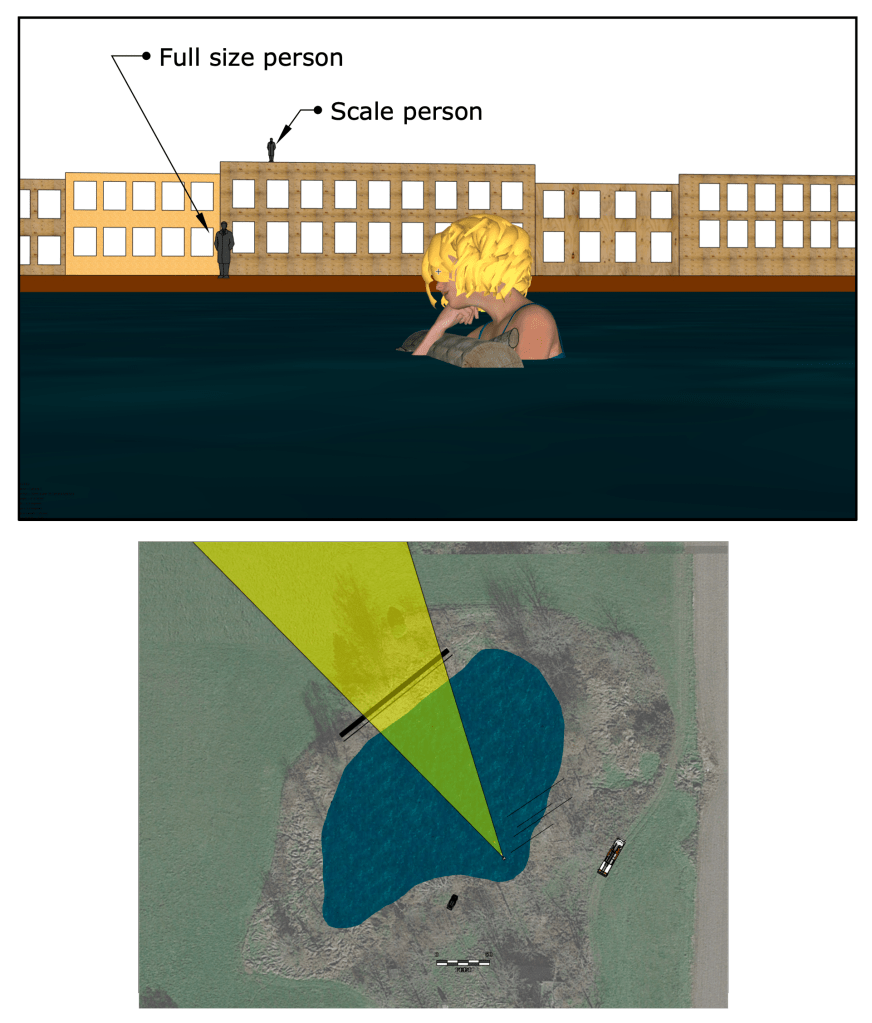
How could I have improved the flame effect? Well, I could have built the facade at a larger scale. Below is a diagram showing the scale of the backing compared to a full size person.

On top of the backing is an icon of a person at the scale of the facade.

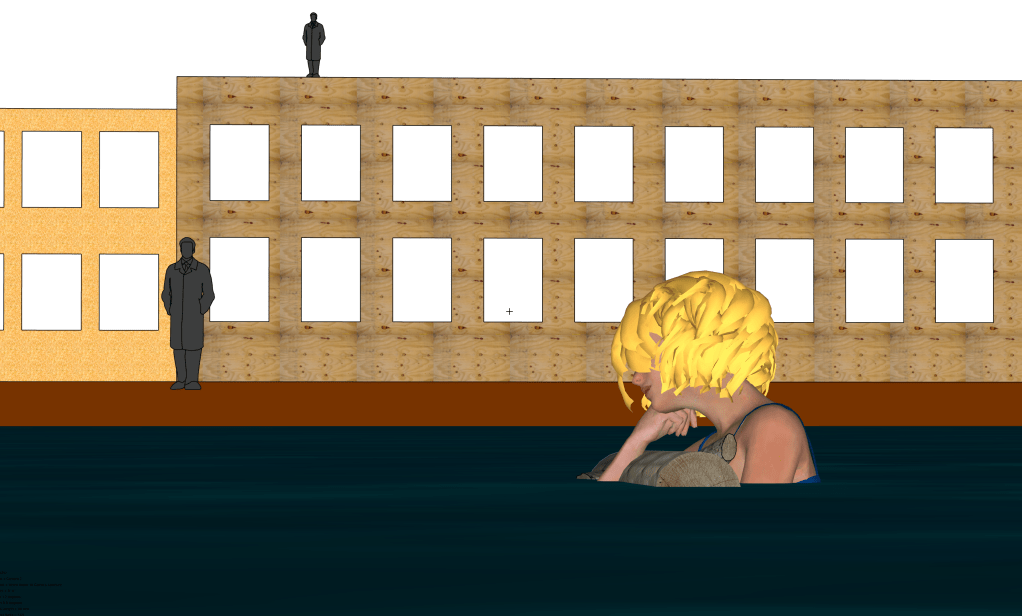
Below is an image of what the facade would have looked like at twice the scale size.

Angle of view on a 25mm lens
Angle of view on a 75mm lens

Yes, the flame effects would have been even more frightened real. The fire would have also been at the scale of an actual small house fire and without a lot of fire suppression in place, it would have been incredibly unsafe. The detail of the backing would have also needed to be much more realistic. I also was trying to capture a feeling of isolation, and the scale I used allowed me to portray the actress as being farther away from the fire than I would have been able to achieve given the size of the pond.

The fire burned itself out quickly. We went in and put out any remaining embers with a fire extinguisher and Hudson sprayers. I’m sure the firemen were even happier than I was that they got a good show and hadn’t had to drag their firehose through the mud, which would mean spending the rest of the evening cleaning firehose. And that, I can tell you, is really not a fun job.

The $150 Forced Perspective Miniature – Part 1

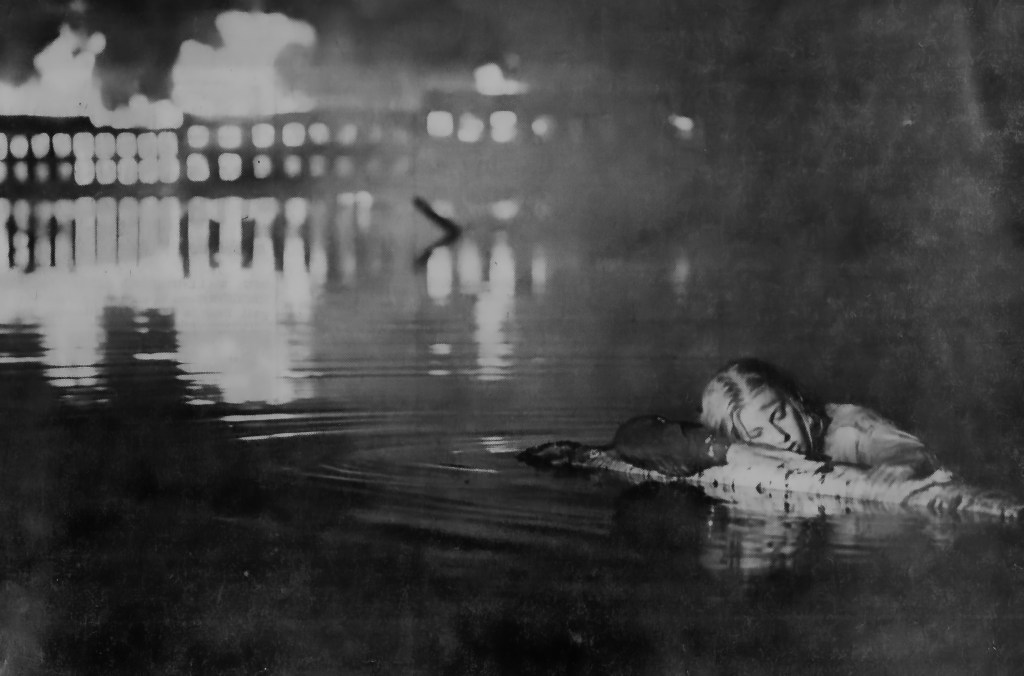
Forced perspective miniature during filming – Photo: Alan Derringer

The Challenge

My professor, Carl, looked at the scene list for my senior thesis film and furrowed his eyebrows. When I told him it was going to be an hour-long black & white film, set in the 1940’s in Eastern Europe, with dialogue in three different languages, he looked at me as if he wasn’t sure if I was being serious.

I assured him that I wasn’t kidding, and I knew that he was thinking it would probably be another overly-ambitious senior film that would never be finished.

He poked his finger at the page.

“So how do you plan on doing this scene?”, he said. “The fire-bombed city scene.”

Now this was the pre-computer, pre-digital, in-camera-effects-only period of filmmaking. Green-screen and blue-screen work was serious money. The only option other than in-camera effects was optical printing, and he knew I couldn’t afford that on a student film budget.

“A miniature”, I said. “A really big miniature”.

“Uh huh”, he said, with a look that told me he thought I didn’t have a clue as to what I was doing.

It took about three weeks to truck all the materials to the farm pond where I planned on filming the scene. When everything was finally at the site, we had accumulated over 200 discarded wood pallets, over 24 sheets of plywood of various types and random pieces of drywall and corrugated metal. Since all the materials were donated, I estimated that the final cost of the miniature was $150 based on the cost gas for the vehicles and fire accelerant, i.e. kerosine.

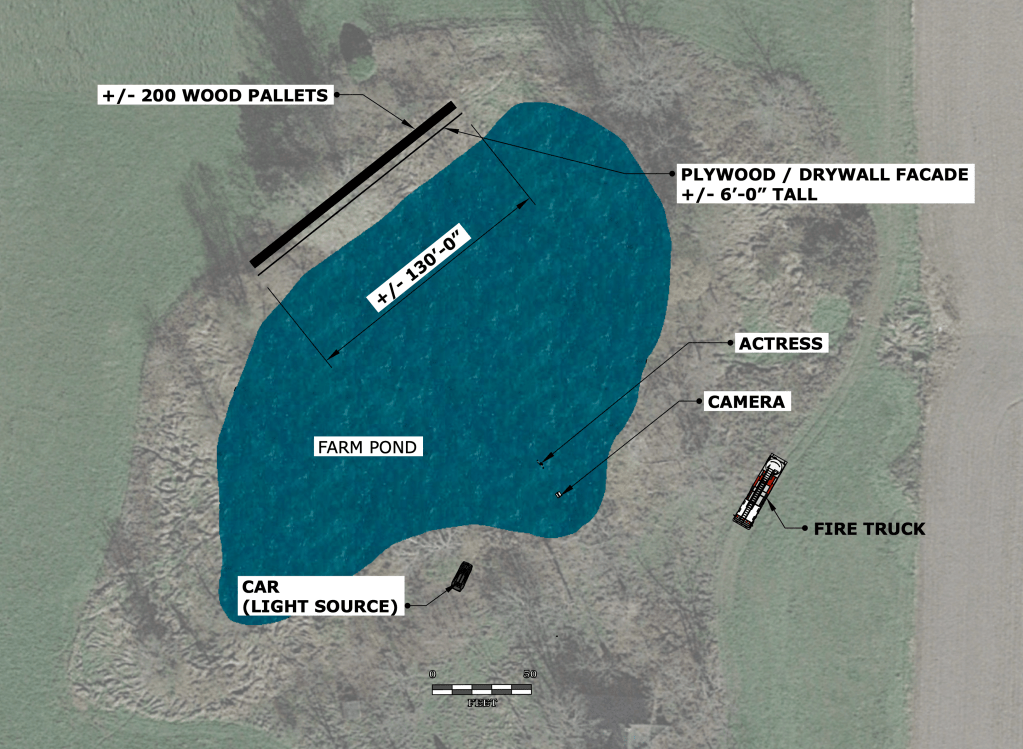
I’d staked out my camera position and estimated that I need a miniature that was about 130′ long to fill the frame from edge to edge when I was shooting with a medium length lens. I planned on a miniature scale of somewhere between 1:10 and 1:12.

My father and I would drag the plywood sheets close enough to the small house on the property to string an extension cord to jigsaw-out the +250 rough rectangle openings in the wood to simulate the windows of the buildings. Once they were staked in place, we stacked the hundreds of pallets behind the wall, just far enough away to keep the flames from setting the plywood on fire before I could finish filming.

When we were done stacking the pallets, we moved to the other side of the pond to look at the finished model.

It was really, really ugly.

There was no detail. No even a coat of paint on the raw wood. But I new that it would look good on film because I had three things going for me: a night shot, shallow depth of field, and black & white reversal film.

The Shoot

The night of the shoot I was nervous. Black & white reversal film is unforgiving. Instead of creating a negative, you’re creating a positive image. It’s like slide film for a cinema camera. Exposure-wise, you have about one f-stop of leeway as far as over or under exposure. You have about a 5 to 7 stop range from pure black to blown-out white. Beautiful contrast, no margin for error. Modern digital cameras, by comparison, will give you up to 15 stops of latitude. I had to re-shoot the opening sequence of the film twice because of a mislabeled ND filter that resulted in over-exposed footage.

This scene was a one-shot deal. There would be no reshoots. The five-person crew was in position.

I’d tried to do some test shots a few weeks before using a bonfire and my lighting plan, but the bonfire was not a good simulation for what would end up being 15-foot tall flames in the miniature.

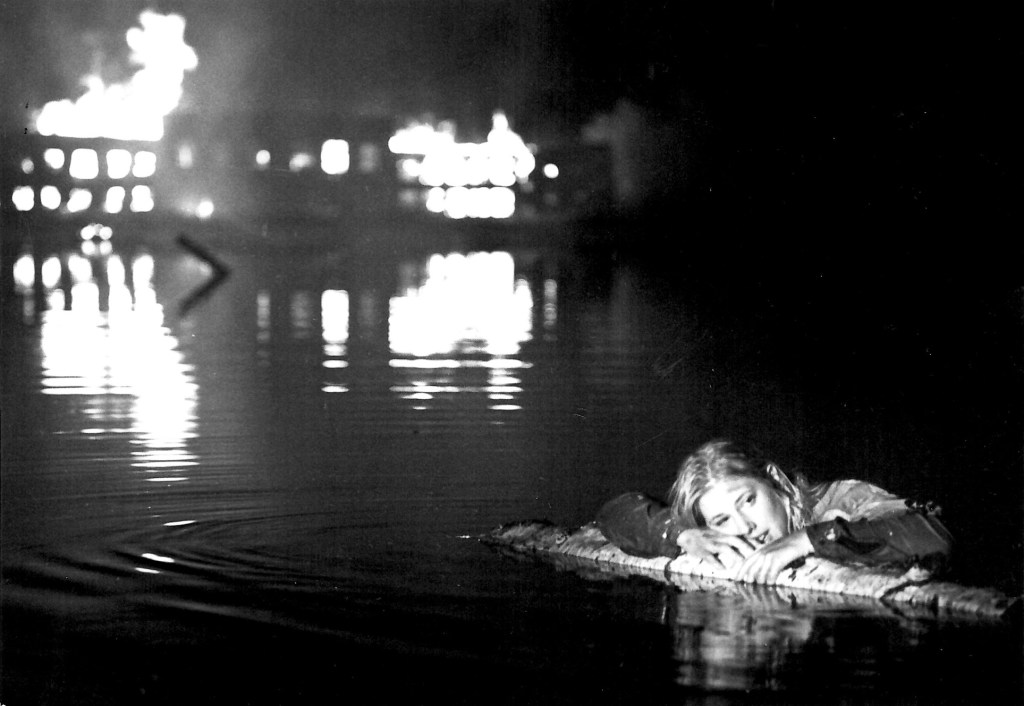
I used the headlights of a car for the key light on the actress Liana. A fog machine, run by my cousin Greg, was positioned next to the car to give some depth to the background as well as to diffuse the illumination from the headlights. The Assistant Director, Jan, helped the actress into position in the water.

A pumper truck from the local fire department was positioned next to the pond. They showed up hoping to just see a good show, but were prepared for an interesting fire training exercise on the chance that the flames got out of hand.

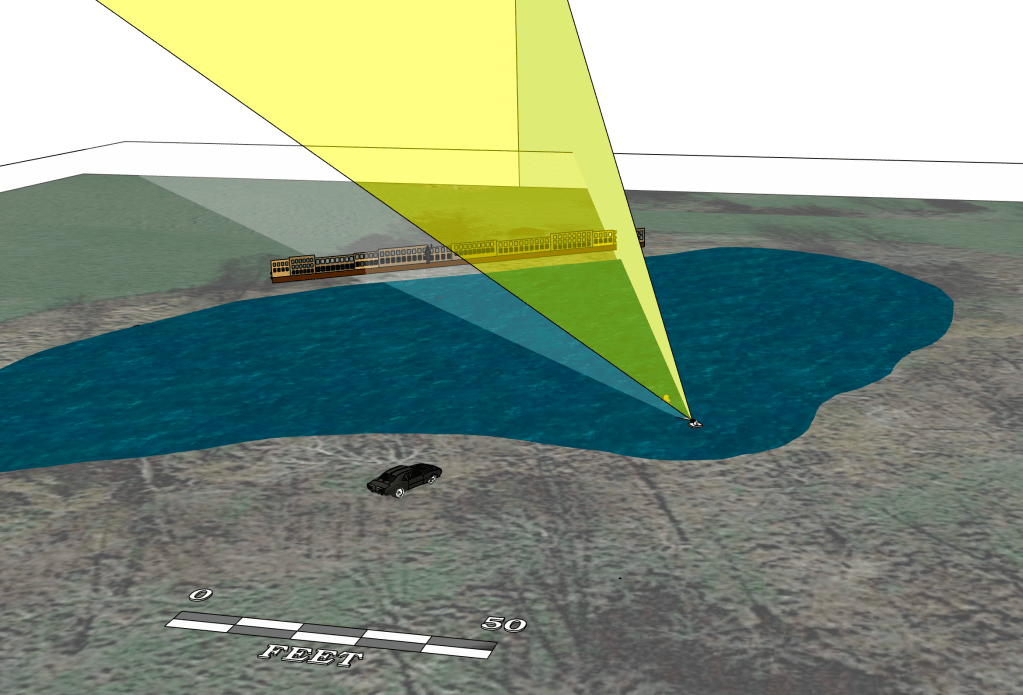
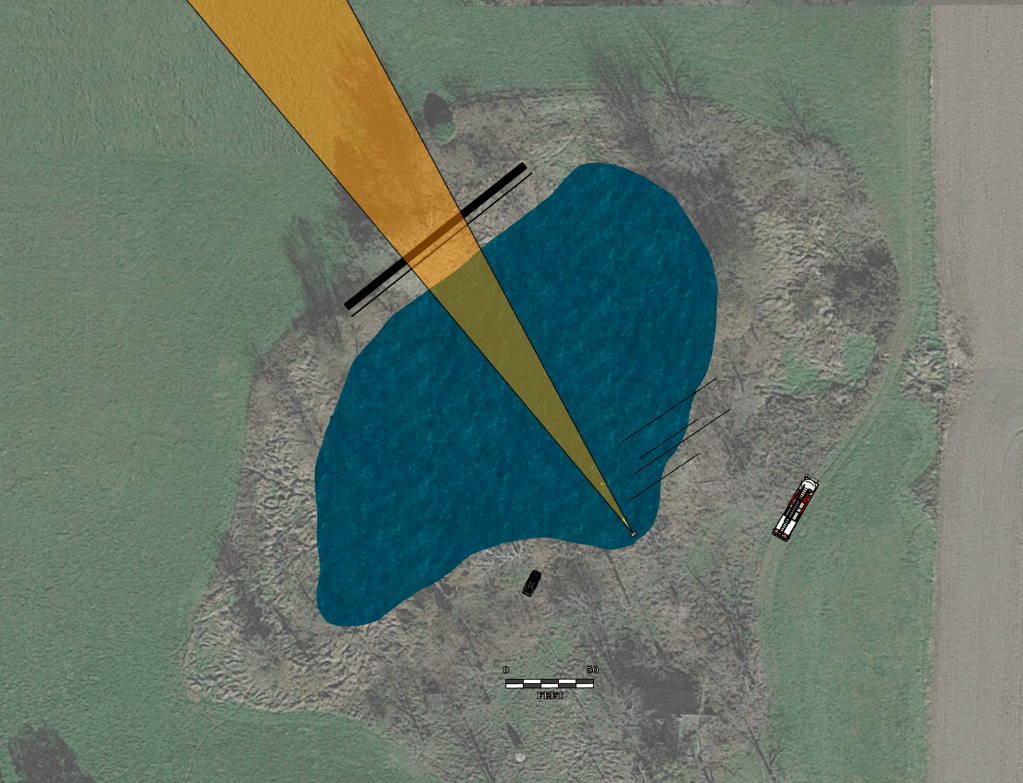
Scale plan of miniature & camera position.

The Technical Info

If your eyes glaze over reading technical data, you can skip this section and go to the next. I’ll try to keep this paragraph brief, but there are people who like to know this info.

I shot the scene using a Bolex H-16, a 16mm film camera that is spring driven. You have to hand wind the drive mechanism with a crank. It has a three-lens turret with 16mm/f1.8, 25mm/f1.4, and 75mm/f1.9 lenses. The 16 had too wide of an angle of view, so I decided to use the 25mm for the wide shots and the 75mm for the close-ups.

The H-16 did not have an external magazine, meaning that I was confined to a 100 foot roll of film. There would be no time to reload once the fire was started. This would give me 2 1/2 minutes of shooting time. I figured that the prime “flame activity” once the fire was started would last from three to five minutes before the flames would have consumed the majority of the wood and the flames would start to lose their visual impact.

I planned to wait until the flames had reached a peak and then start shooting, getting the wide shots with the 25mm out of the way first, and then switching to the 75mm lens for the close-ups when the fire would still give me great reflections in the water but not have the intensity that it did in the wider shots.

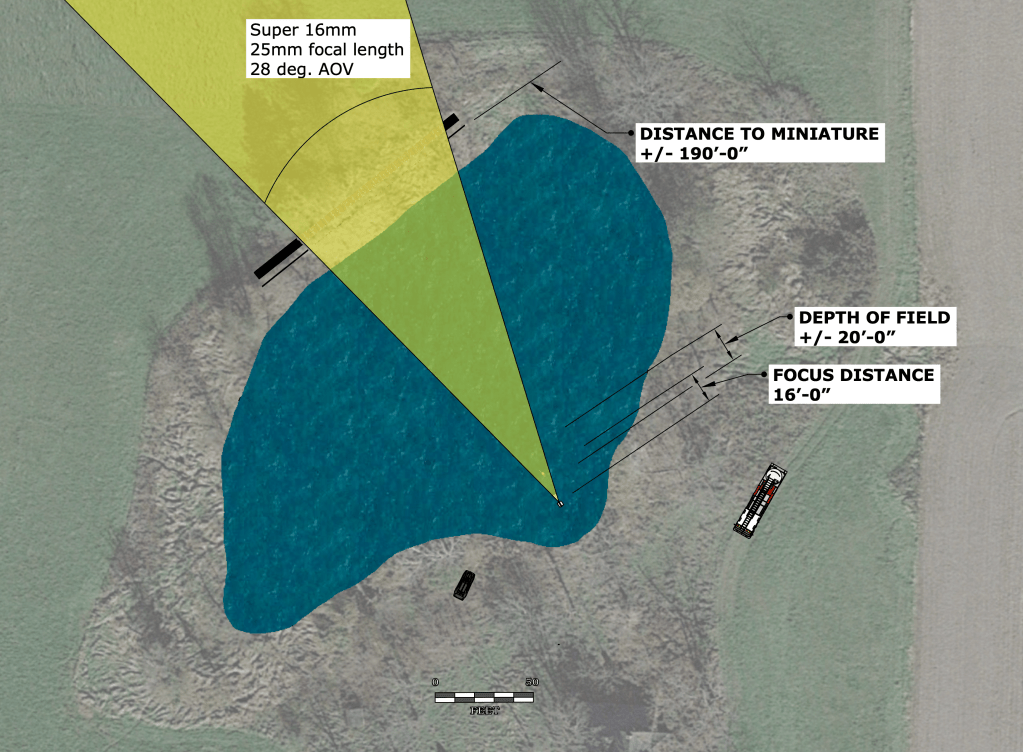
The 25mm, focused at 16 feet away, and with an f-stop setting of about 2.8, would give me a depth of field of about 20 feet total. The Kodak Tri-X 7266 film stock had an ASA of 200, so I had to shoot almost at full aperture to have enough light on the actress. I spot metered several times from her face to the fire after it started before I was sure about my exposure. The f-stop spread convinced me that the front of the miniature would be solid black and out of focus, devoid of detail.

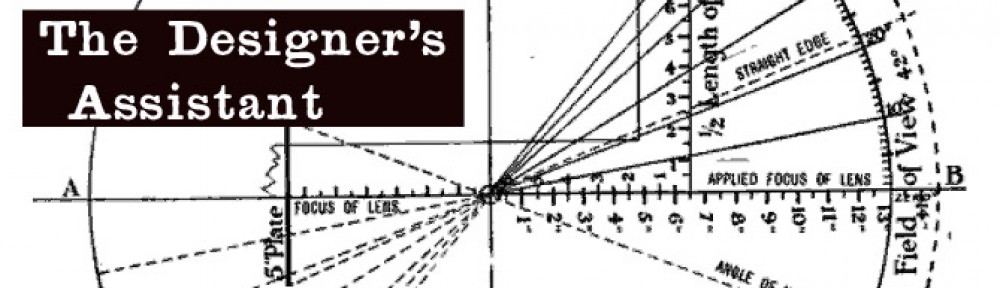
Plan of miniature shoot showing angle of view, focus distance, and depth of field range.

The Fire Is Lit

The pallets had been soaked with 5 gallons of kerosine a few hours earlier in the hope that the fire would spread evenly when lit but not explode the way I thought they would if we had used gasoline.

Only a few minutes after the fire is started, the flames are already subsiding in some areas.

When I gave the word to start the fire, it spread pretty quickly, but without a sudden burst of flame. Within a minute the flames were high above the top of the miniature and yelled for the soundman to start recording. I had rehearsed with Liana as to the sequence that we would follow and it went smoothly, without any stopping for head or tail slates.

The 100 foot roll ran through the camera quickly and when I heard the tail end run through the gate I knew I had better have gotten the scene. The flames were already far below the top of the facade.

Four weeks of work would translate into a minute of the finished film. The shooting schedule would continue for the next 8 months before we would be finished.

In Part 2, I’ll discuss what went right, what went wrong, and what I would do differently.

Allen Daviau – An Artist And A Gentleman

hqdefault  Allen Daviau, the five-time Academy Award-nominated cinematographer of films such as E.T. The Extra-Terrestrial, Empire Of The Sun, Avalon, Bugsy, and The Color Purple, passed away on Wednesday from complications of COVID-19.  In 2007 he was given a Lifetime Achievement award by the American Society Of Cinematographers.
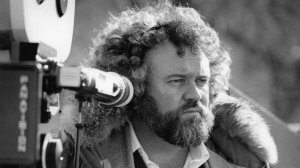
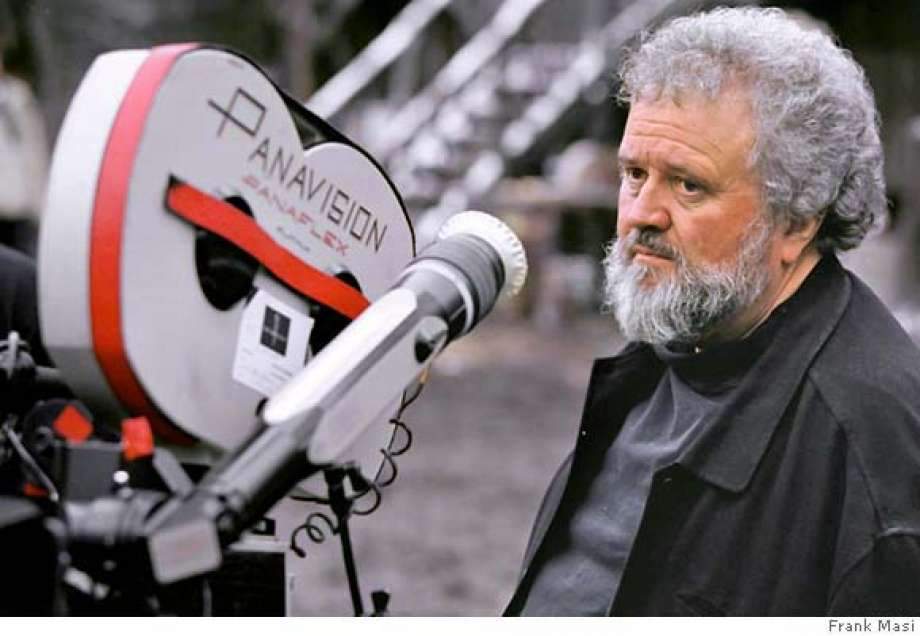
His professional film career began in the 1960s where he started out shooting documentaries, music videos and working as a still photographer. He met a young Steven Spielberg in 1967 and helped him shoot his short film, Amblin’. Years later Spielberg was in pre-production for ET when he saw a reel of a TV movie Allen had shot and hired him immediately.

Whenever I saw him, Allen was always personable and kind but it would be a mistake to take him for a pushover. He and a number of others were frustrated when they were denied membership to the cinematographer’ union. Universal had tried to sign him to a contract but the union was a closed-shop in all but name at that time and refused to allow it. Daviau and a number of other cinematographers including Caleb Deschanel filed suit to join the union and were finally admitted.

Daviau-Empire

I only got to work on one picture with Allen, A feature called The Astronaut’s Wife, production designed by Jan Roelfs. He was outgoing and approachable, always eager to talk shop. There are times when you work with individuals that you hold in such professional esteem that the initial interactions are awkward but that was never the case with Allen. I didn’t get to ask him all of the questions I had buzzing in my head about his other films. I refrained from ‘interrogating’ him the way I had once done to Werner Herzog when I ran into him on the backlot at Warner Bros Studios in an embarrassing ‘fan-boy’ moment.

I never got to ask him about some of the shots in Empire Of The Sun that I had analyzed but I did learn two things: he didn’t like multi-camera shoots and he didn’t particularly like translites. “They’re too sharp”, he told me. Unlike the traditional handpainted backings, they had a crisp photo-quality that defied being able to create a realistic depth-of-field. Even the painted backings often had black or white bobbinet stretched in front of them to create an atmospheric softening effect. It’s ironic that now, years later, a number of companies will custom print backings to create different degrees of softness to simulate an out-of-focus image due to depth-of-field.

allen

The multi-camera shoots were something he accepted as necessary at times but he felt that they diluted the quality of the lighting. He felt that being able to concentrate on just one composition at a time resulted in a superior product. There were lighting effects that became impossible to do effectively if you had to take other camera positions into account.  He was as technically adept as he was artistic and relied on both his eye and his light meter. He knew that the audience will only see what you let them see. And being able to shoot with a single camera allows you to get away with tricks that are harder to pull off when you have to light for multiple angles at once.

A camera-lover, he told me as part of his endowment to UCLA, each year he would buy a top-of-the-line Leica and leave it unopened in its original packaging.

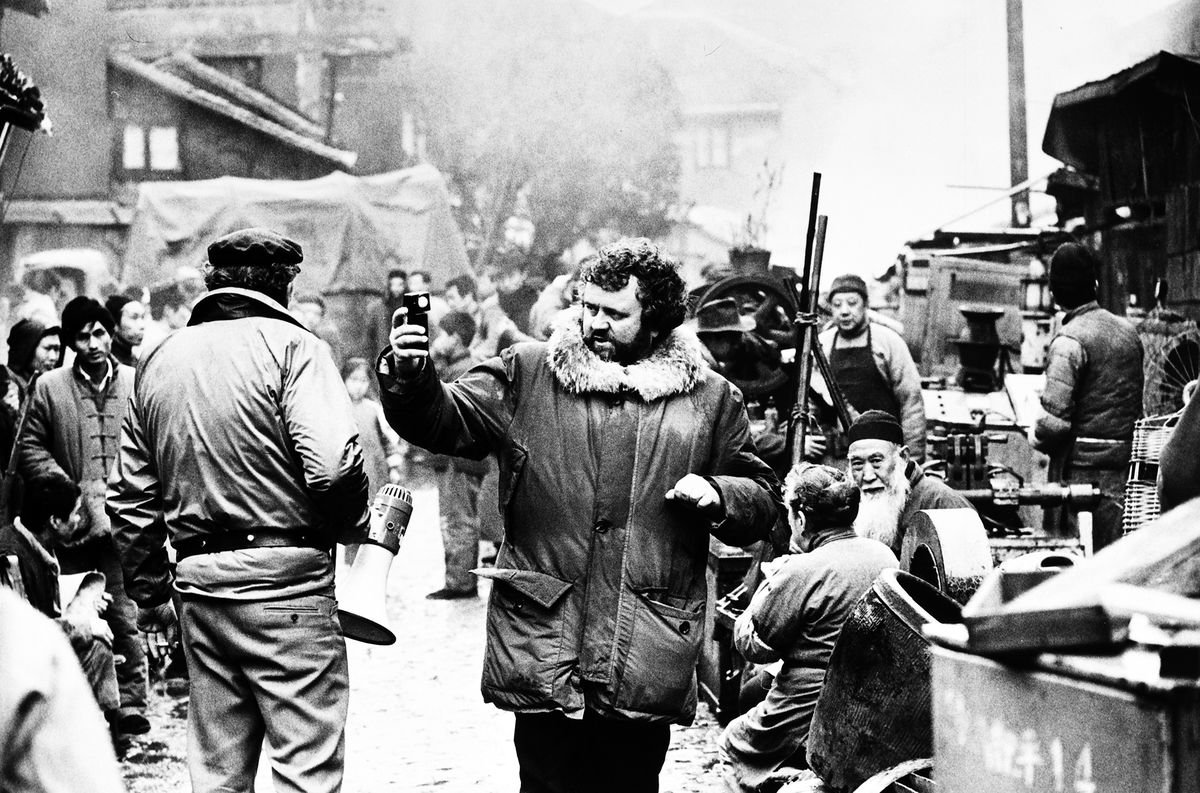
When he was in Shanghai on Empire, they were unable to get dailies until a week later and playback technology was a long way off.  He had to rely on his light meter and his experience with the film stock to know if he had a proper exposure.

Daviau-Empire-light-reading_248ed78b6649d6cda0fcadc1ac9bc23e

One thing I learned from him is, there are times when you have to let the details go. We were doing pick-up shots and only had a few days to recreate several parts of the sets from the main shoot. Recreating a portion of the main characters’ apartment was complicated by the fact that the backing we had used outside the huge glass window wall was unavailable.

We found a cityscape backing that was close, but overall the values and details didn’t come close enough to really match the original. I hoped that the shot would be tight enough that the DOF would hide the mismatch, but was dismayed when the director asked for a wider shot. With so many elements to consider, the backing issue was the last thing on most people’s mind . Allan was behind the camera, lining up the shot and I finally called out to him, “But Allen, the backing.” He just looked over at me and raised his hands. He could have just ignored me, or been dismissive or irritated. He just gave a little smile and said, “It’s OK, it’ll be fine.” And it was.

There is an excellent interview with Allen in the 1992 documentary film, Visions Of Light, about the art of cinematography.

R.D. Wilkins