Sometimes Unwanted Holes Aren’t So Bad

You’ve probably never thought about how sound can affect your stage set. Beyond trying to not create an environment that would drive the sound recordist mad, you usually don’t think about odd acoustic anomalies that might pop up that you never intended to happen. Like echoes.

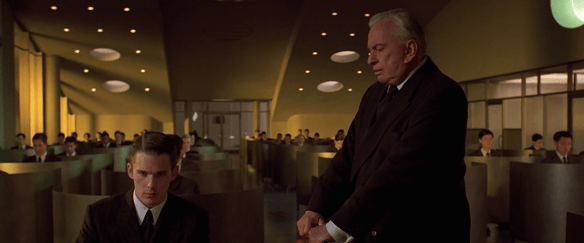
Computer Hall set – Gattaca – Columbia Pictures 1997

Yeah, echoes will bite you in the ass if you’re not careful.

On the main set for the 1997 film Gattaca, just such an anomaly occurred, and it was the cinematographer who ended up saving the day.

And what does the cinematographer have to do with sound problems? Keep reading.

The Computer Hall set was designed by Production Designer Jan Roelfs and was inspired by the real-life location that he and Director Andrew Niccol chose for the film. The actual building chosen for the exterior of the Gattaca Aerospace Corporation was the Marin County Civic Center in California, designed by Frank Lloyd Wright. The art department flew to Marin and surveyed the interior details so that they could be matched for the set on stage, which was in a warehouse in Playa Vista.

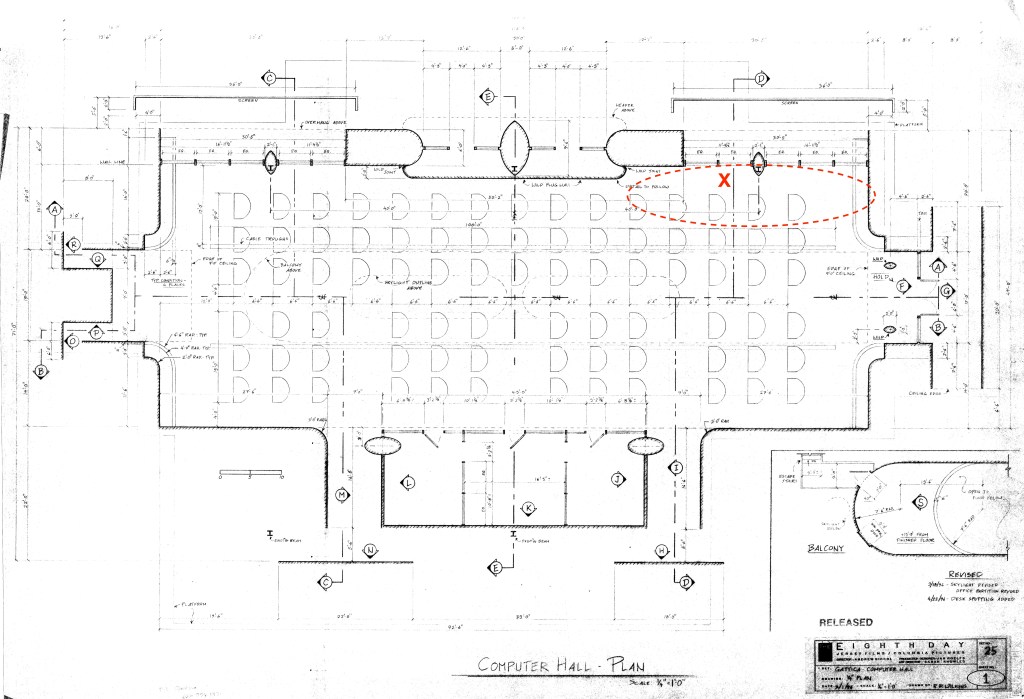
The building they had leased made for an odd sound stage, but its size made it large enough to build the sets for the film in. There were the normal problems you deal with in a structure that was never designed to be a sound stage: support posts at regular intervals, a ceiling that is not nearly as high as those in an actual sound stage. On the plan below, you can see where the oval columns were designed to hide two of the building’s I-beam columns.

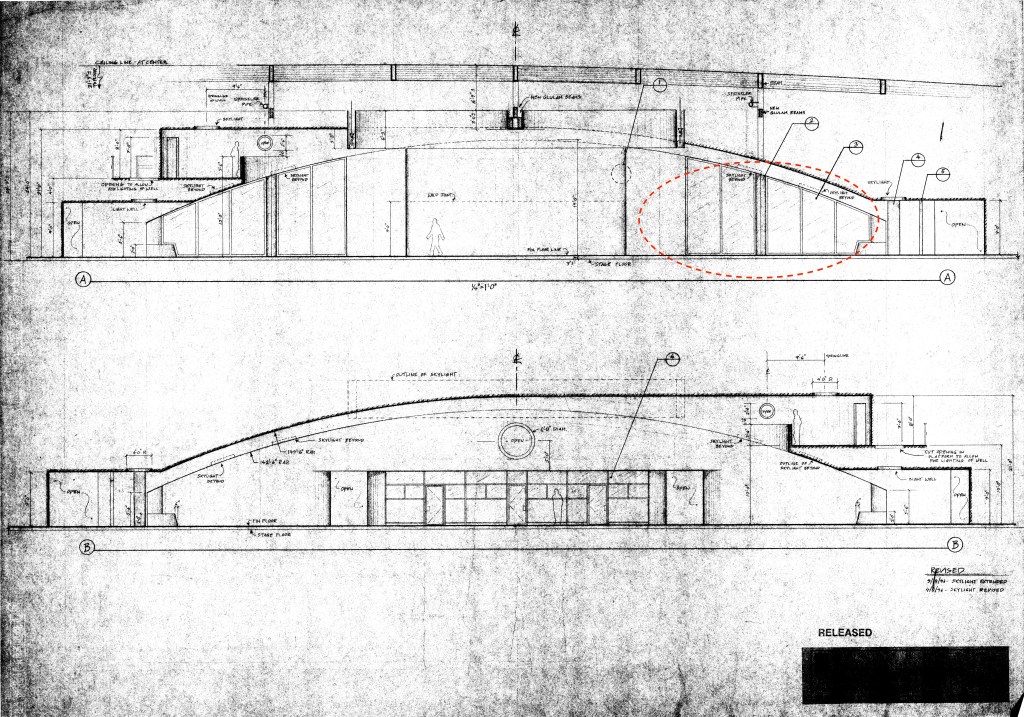
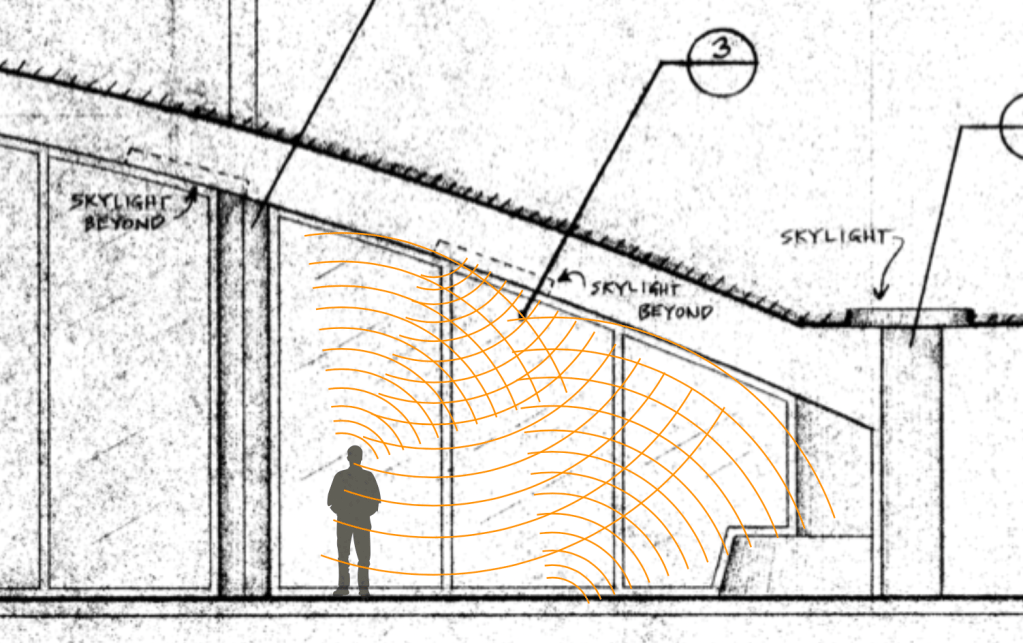
These are my drawings of the plan and elevations of the set with the areas of the sound problems circled.

(One note: on the title block, you’ll notice it reads “Eighth Day”. This was the original title of the film. In pre-production, the producers learned that there was a French movie of the same name that was going to be released, and a name change was required. The writer and director Andrew Niccol decided that he would create a new title using the four letters used to identify the nucleobases of DNA: GATC.)

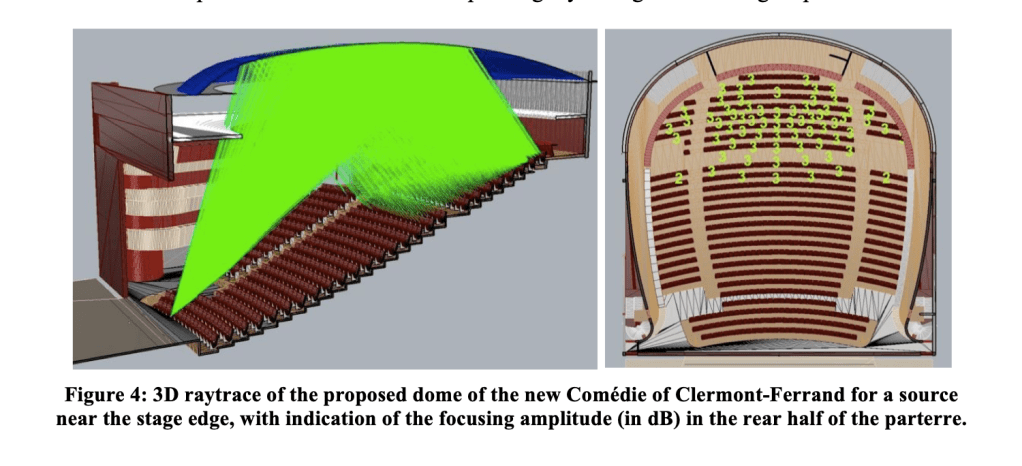
Turns out, theater designers had known about the sound reflective effects of elliptical and parabolic ceilings for years, as most of the western world designed theaters in the mode of the typical Italian horseshoe layout plan.

A presentation at the 2017 International Congress On Sound was focused on this phenomenon.

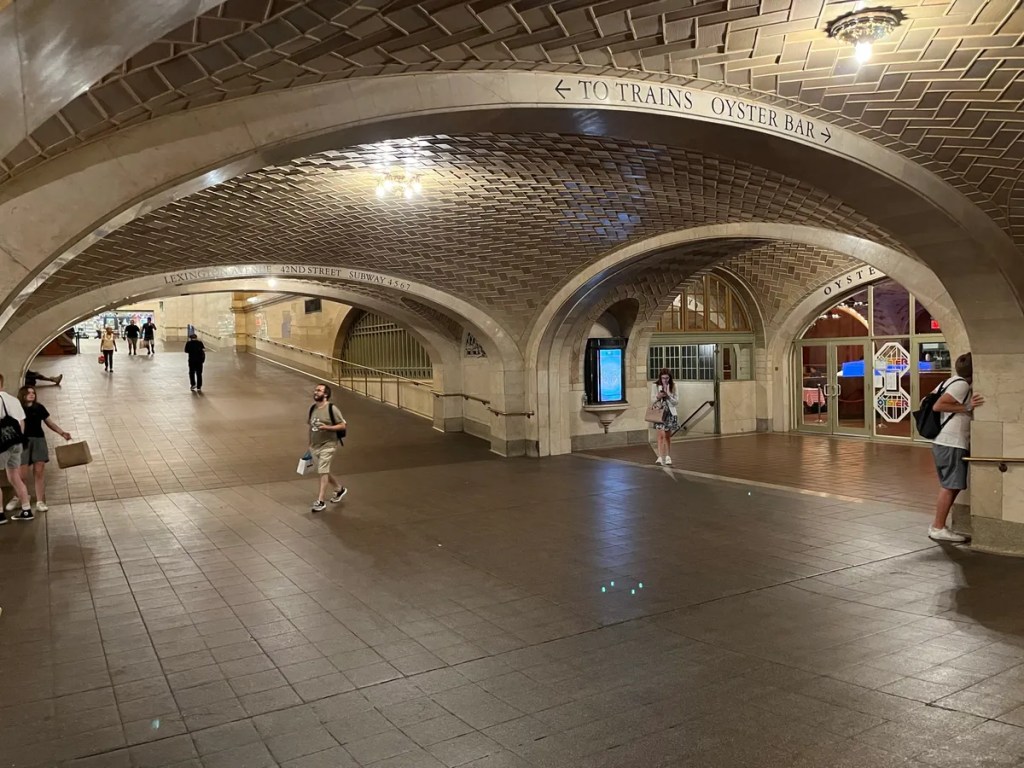
In New York City’s Grand Central Station, there is a ‘whispering gallery’ or acoustic vortex. This is an architectural phenomenon created by a number of configurations, in this case, a vaulted ceiling in the subway entrance under the terminal. A person standing in one corner of the hall intersection can whisper into the corner and the sound travels over the curved surface of the ceiling and can be heard by a person standing in the opposite corner.

New York Grand Central Station

I discovered the echo one day when I was walking the set and stopped at the point in question. I saw a gnat and clapped my hands together to kill it. That’s when I heard the strange echo. Horrified, I clapped again and there was the same echo. I clapped a third time, just as Jan was walking through the set. He stopped and frowned. “Don’t do that!’, he said.

I think what was happening was that the area beneath the lower section of the ceiling of the set created a flutter echo, which was enhanced by the smooth ceiling surface. The two large skylights didn’t seem to affect this echo.

There was no carpeting or fabric to dampen the sound which would have eliminated this effect.

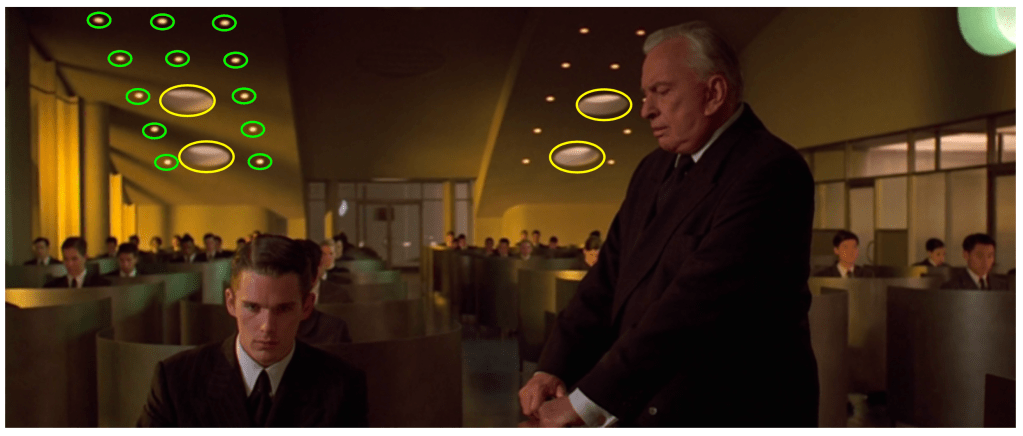
The solution came for the most part when the cinematographer, Slawomir Idziak, told us that he needed more practical lights in the set. This required creating dozens of new openings in the lower sections of the ceiling. These holes interrupted the acoustic waves and the echo disappeared. With the addition of the desks and the background actors, the sound reflection was minimal.

The photo below shows the original skylights in yellow, with the new lights circled in green.

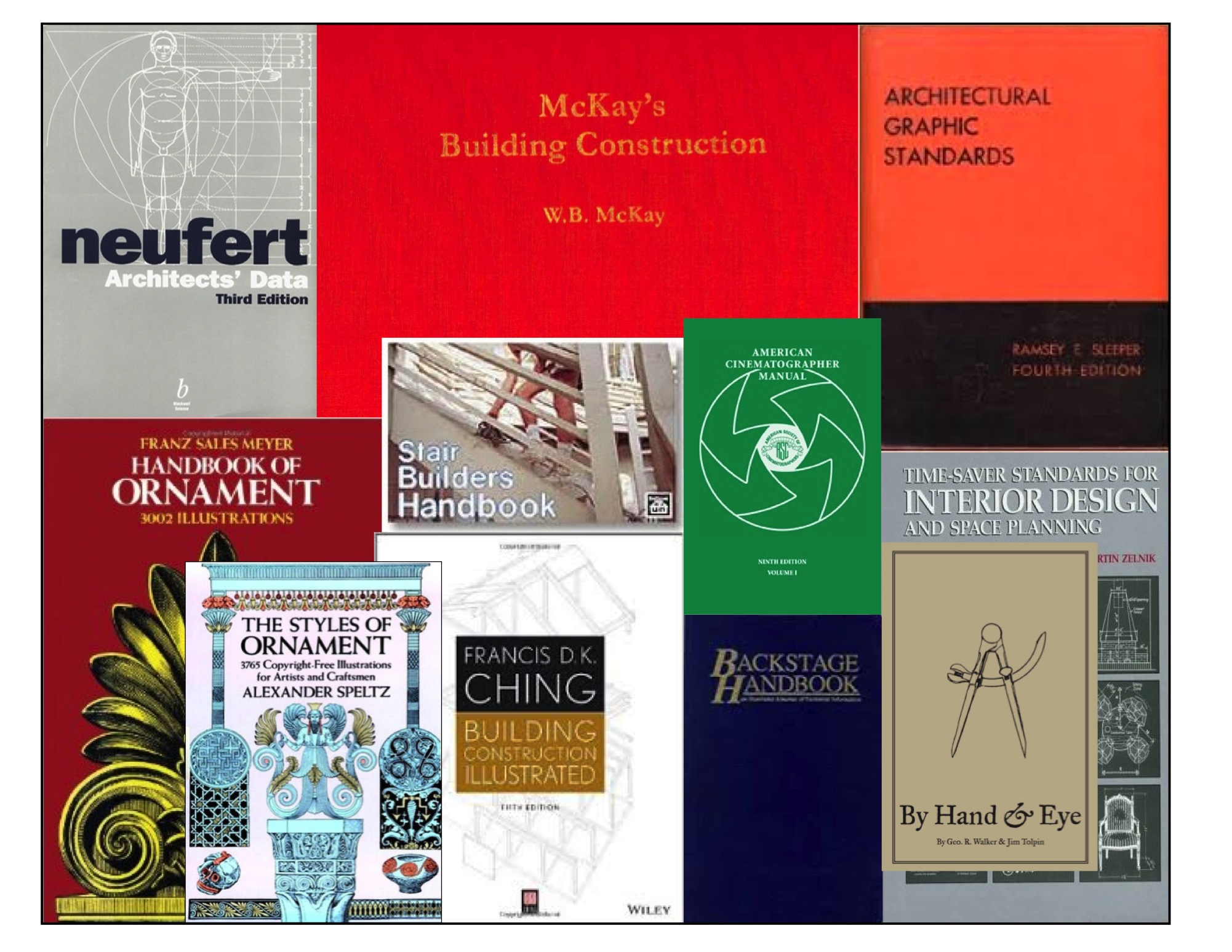
18 Design Reference Books You Should Have On Your Shelf (UPDATE)


design book montage_1

Ten years ago,  I wrote a post on 10 design books that I thought everyone should have. Looking at that list now, I think I need to expand on it by adding a few more to the list.

Here is my must-have list with sources:

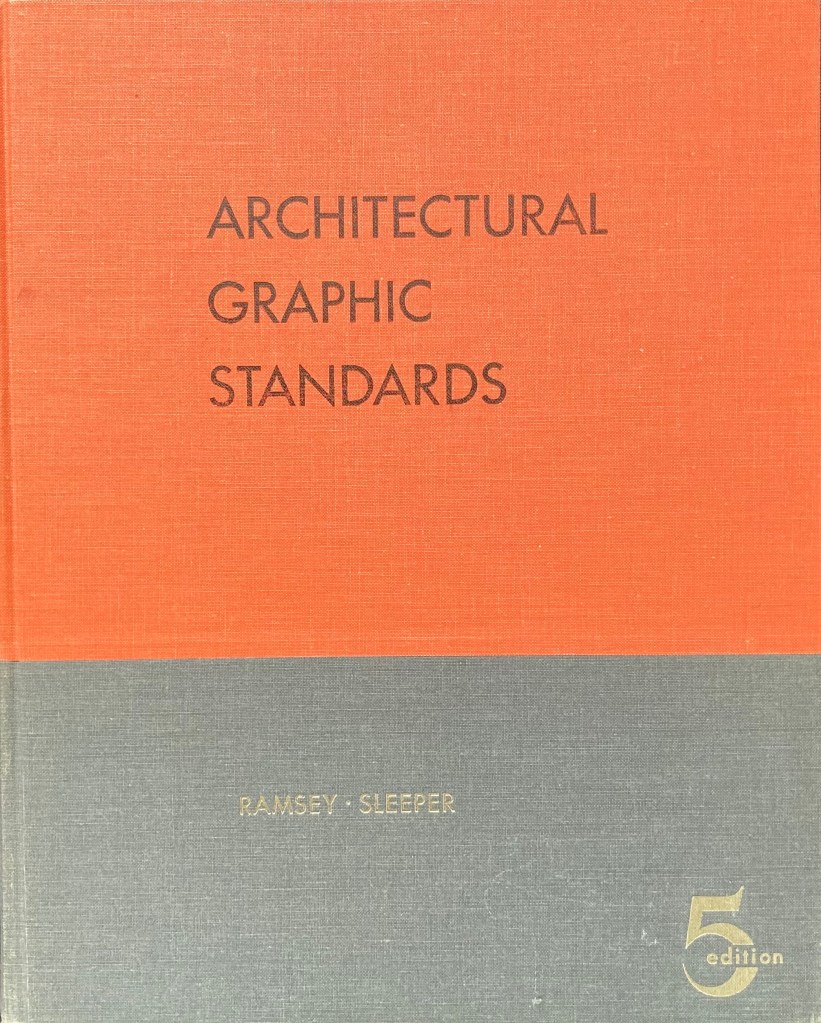
1. Architectural Graphic Standards – 5th Edition –

This was when the books were filled with great hand drawings and actually showed you in detail how things were built. There are lots of period details as well. Out of print for over 50 years, (at least in this edition) you can still find copies for anywhere from $20 to $200. The 3rd edition would be a suitable replacement. the first edition is also good to have and has been reprinted several times. Check Abebooks for copies. Not available digitally.

If you are in Great Britain, McKays is the closest equivalent, and is actually superior in a number of ways from our standpoint as set designers. On the Continent, an older copy of Neufert’s is a must. See this earlier post for details. Not available digitally.

___

Another option in England is Period House, by Jackson & Day, which goes into extensive detail about common interior architectural elements for restorers. In Germany, the best book on period construction I’ve found is Konstruction Und Form Im Bauen, by Friedrich Hess. There are lots of very nice drawings and measured details. It’s long out of print but you can still find copies second-hand. In Sweden, an excellent book on traditional construction is Stora Boken Om Byggnadsvård, by Göran Gudmundsson. This is a current book and still in print. In Italy, a nice book on traditional construction techniques with detailed drawings is  Il Legno e L’arte Di Contruire Mobili e Serramenti. None are available digitally.

***********************************************************************

2. Time-Saver Standards for Interior Design and Space Planning, 2nd Edition.

This is the interior design complement to Architectural Graphic Standards and covers nearly every situation regarding building interiors. You can find used copies for around $50. There is a digital version available but it’s not only difficult to navigate because of the size of the book but at the price you’d be better off getting a hardback edition.

Another companion to this is a nice slim book that is for kitchen and bathroom standards in the U.S. The NKBA Kitchen & Bathroom Planning Guide was created to make common building codes and layouts available to designers in an easy to use format.

*********************************************************************

3. Styles Of Ornament – Alexander Speltz.  

Originally published in 1904, this book uses over 4000 drawings to illustrate 6000 years of historical design. As a general design reference I don’t think it has an equal. Architecture, furniture, text, carving, metalwork are all covered. A must-have. About $20 new.

The Handbook Of Ornament by Franz Meyer would be a close second. Available from a number of publishers for as little as $10. A digital version is available.

Low Budget Option- download the online PDF here.

******************************************************************

4. The Stair Builder’s Handbook – T.W. Love –

Not a design book, but a book of rise-and-run tables that make stair layout a breeze. Available from various sources for about $20.

Low Budget Option – download the PDF Common Sense Stairbuilding and Hand-railing. Skip the mind bending section on handrail layout and skip to page 99. Also, Stair building, which has a nice section on ornamental ironwork.

*******************************************************************

5. Backstage Handbook – Paul Carter.

Originally a technical manual for theatrical designers, the book is full of great information for film work as well. There are more details in this earlier post from several years ago. It is one of the most widely used books on stagecraft in the U.S. Available from Broadway Press for about $22. No digital version is available.

********************************************************************

6. Building Construction Illustrated – Francis Ching.

An excellent and thorough book about construction details including wood framing systems and masonry. About $46.

Low Budget Option – access the online PDF here of the 4th edition.

********************************************************************

7. The Classical Orders of Architecture – Robert Chitham

I think this is the best modern book around that deals with the classical architecture proportional system. This book was out of print for quite a while and fortunately is back in print. The new edition deals with the proportions for both metric and Imperial systems. Copies can be found for about $55.

Low Budget Option – Get the PDF of American Vignola by William Ware and The Five Orders by Vignola.

*********************************************************

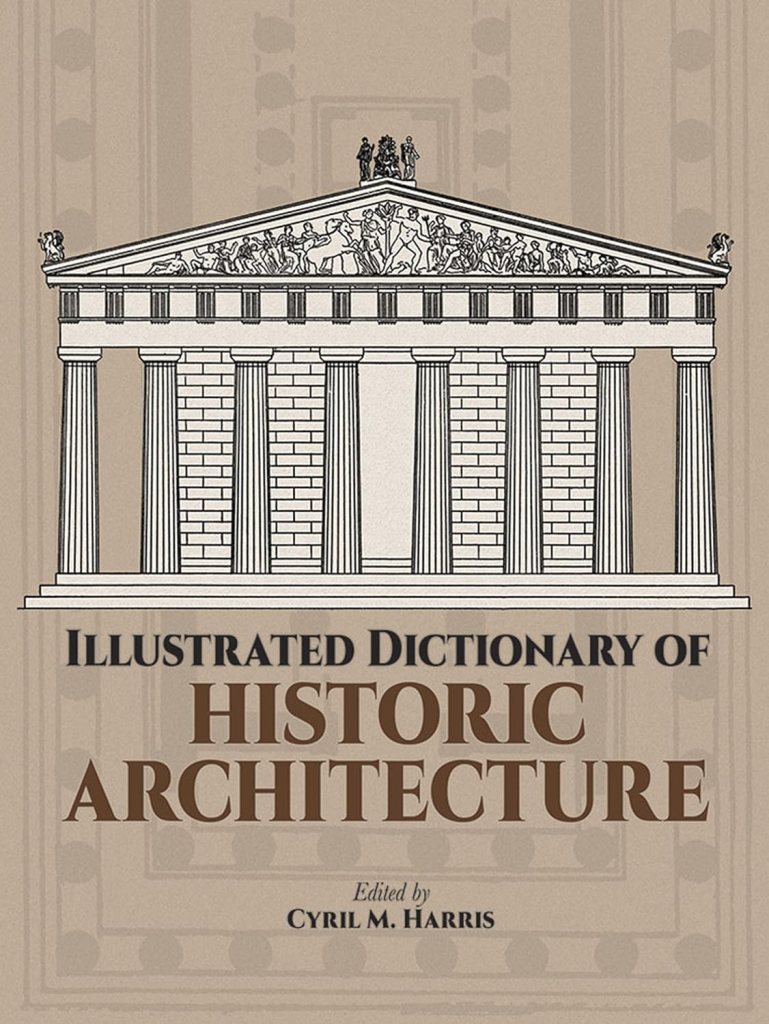
8. Illustrated Dictionary of Historical Architecture – Cyril Harris

With over 5000 terms and 2000 line drawings, this book covers architectural history from the ancient period to 20th century Modernism. Along with the European styles, it covers Japanese, Chinese, Indian, Islamic and Mesoamerican styles. About $35 from various sources.

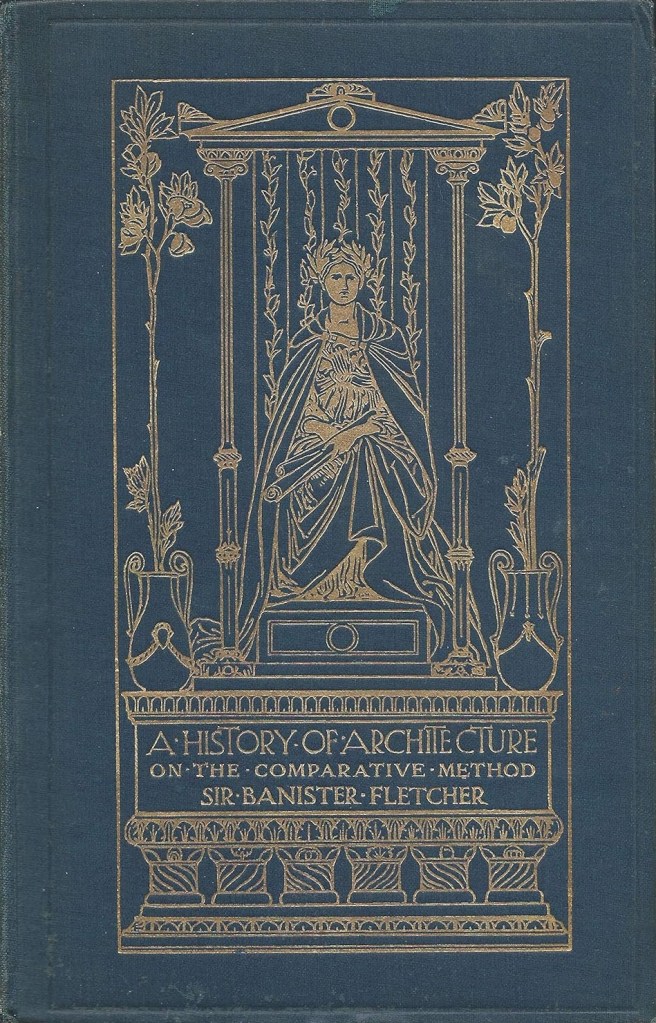
Another classic book in a similar vein is A History of Architecture On The Comparative Method, by Sir Banister Fletcher. This dense, fully-illustrated book covers the time periods from ancient times to the 20th century, focusing on Western culture. It was the most widely used general architecture reference book for decades.

Used copies are easy to find for around $20. A good scanned copy of the 1905 edition can be found in PDF form here for download. Avoid reprints. Most of them are badly scanned from originals and the fine details of the illustrations is lost. A 20th edition has been published in two volumes that comes in at over 1600 pages and includes new sections on cultural architecture from countries not fully represented in the original edition. This runs at around $250.

******************************************************************

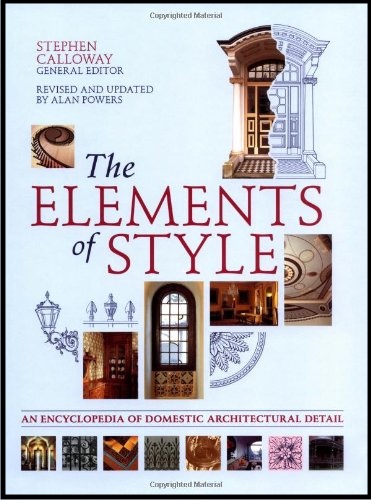
9. Elements Of Style – Edited by Stephen Calloway

This has been a standard Art Department reference manual for quite some time. Subtitles as “a practical encyclopedia of interior architectural details”, the book covers the periods from 1485 to modern day. Each chapter covers a different time period and is separated into thirteen sections which each feature an interior element, making it easy to cross reference similar elements from other time periods. The book includes over 3000 drawings and 1300 photographs to accompany the written analysis. In hardcover for around $75. Used editions can be found for as little as $20.

******************************************************************

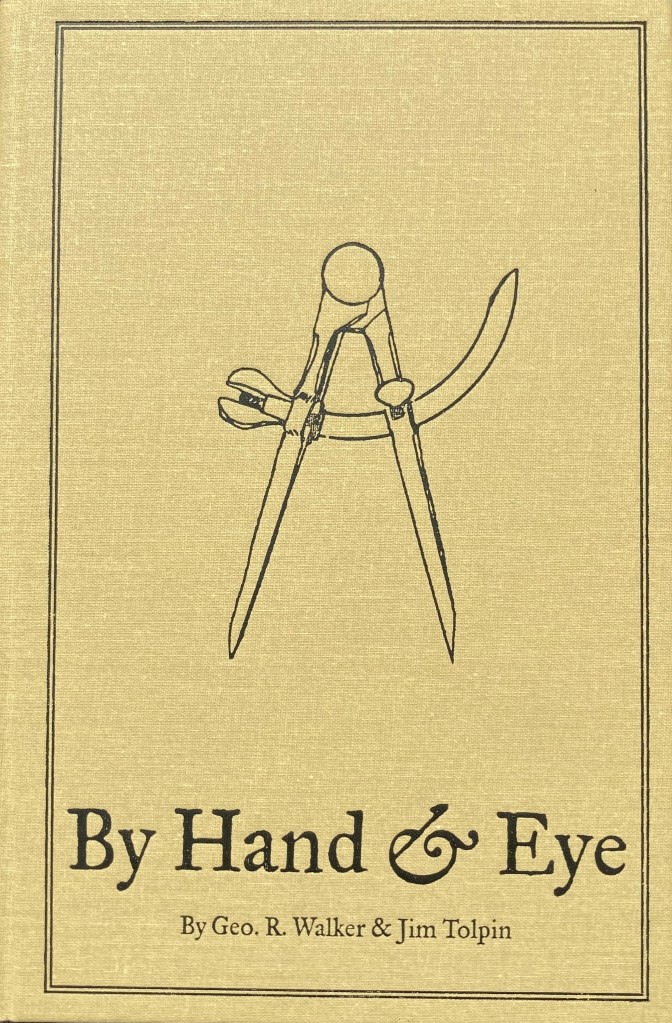
10. By Hand & Eye – George R. Walker & Jim Tolpin.

If you’re just starting out in set design this is one of the first books I’d tell you to buy. Bad proportions can ruin a design. This book will give you a solid understanding of proportion and keep you from making simple mistakes. You can download a sample chapter here. Also, I wrote a longer post on the book earlier. Walker and Tolpin are promising a workbook that will come out later this year based on the book’s concepts so look for that. Available from Lost Art Press for $51, hardbound. A PDF is available for $24.

*******************************************************************

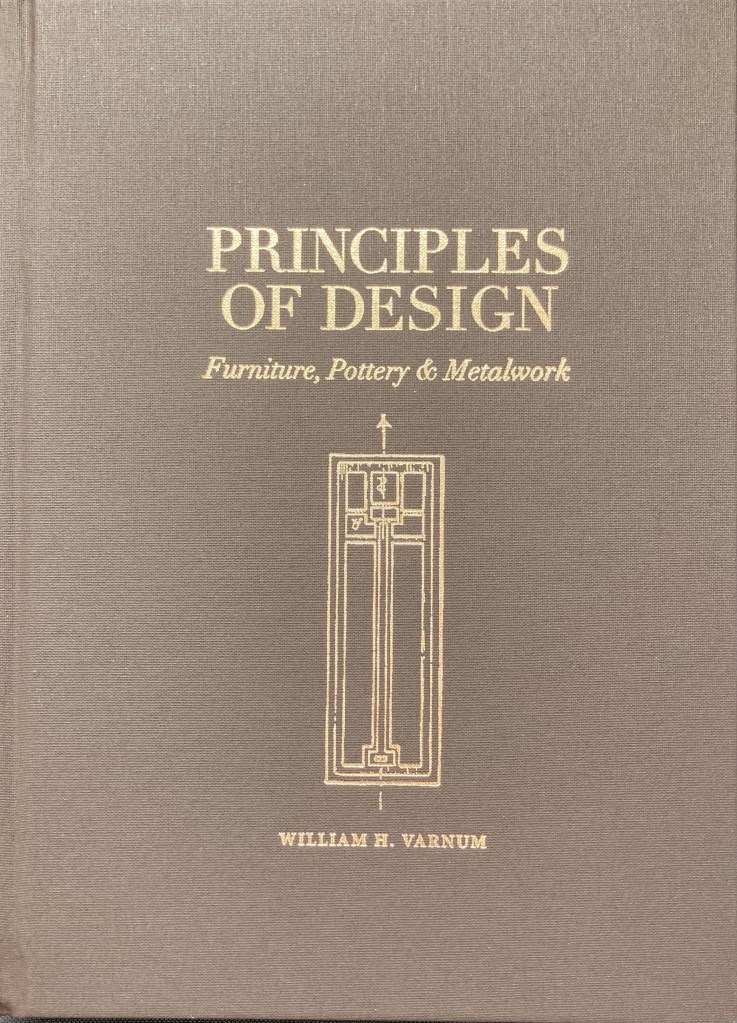
11. Principles Of Design – William Varnum

This is a recent reprint of a book published in 1916 under the title Industrial Arts Design. The book lays out the basics of design, with step-by-step rules for designing not just furniture but pottery and metalwork as well, with sections on enriching a surface with detail or hardware. The rules translate easily to architectural forms and will seem like obvious, common-sense choices once you are exposed to them. This hardback edition is the second run of a limited printing. By Lost Art Press at their website. Hard cover edition is $41.

*****************************************************************

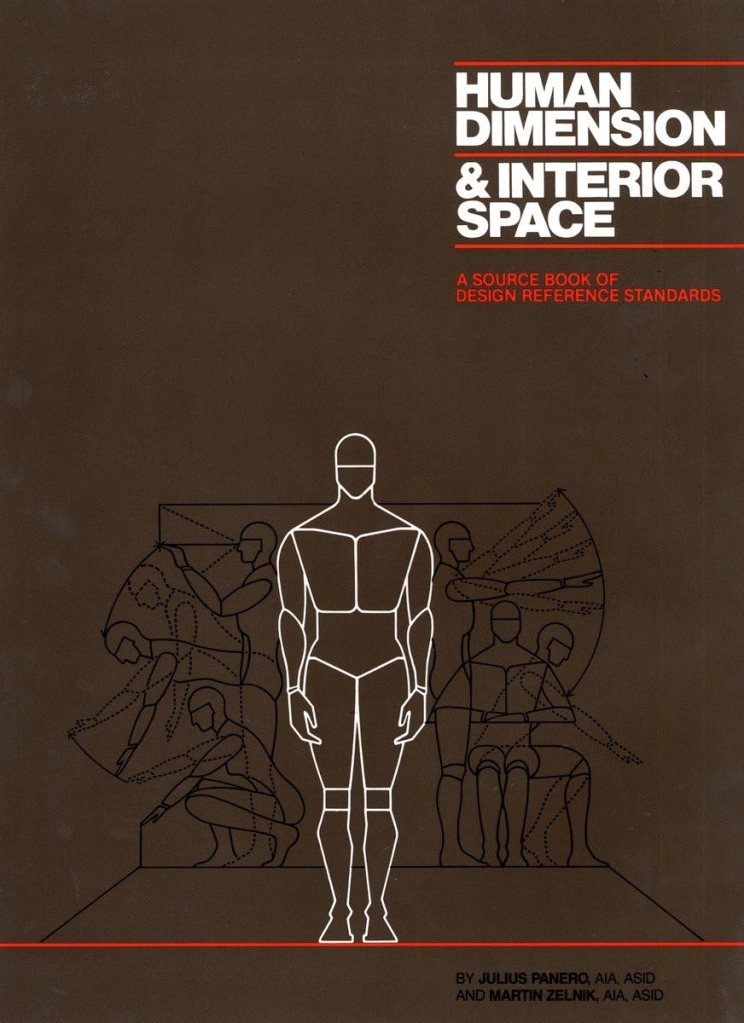
12. Human Dimension & Interior Space – Panero & Zelnik

This book explains the science of anthropometrics, which is the study of human body measurements on a comparative basis. Whether you are designing interior elements, furniture, or vehicles, this book will help you create those spaces with easy to read diagrams and charts that detail the huge disparity in shapes, sizes, and capabilities of the human form. The authors warn against designing for a ‘standard size’ human body which in fact, does not exist. New in hardcover at about $24. Digital versions are also available.

*****************************************************************

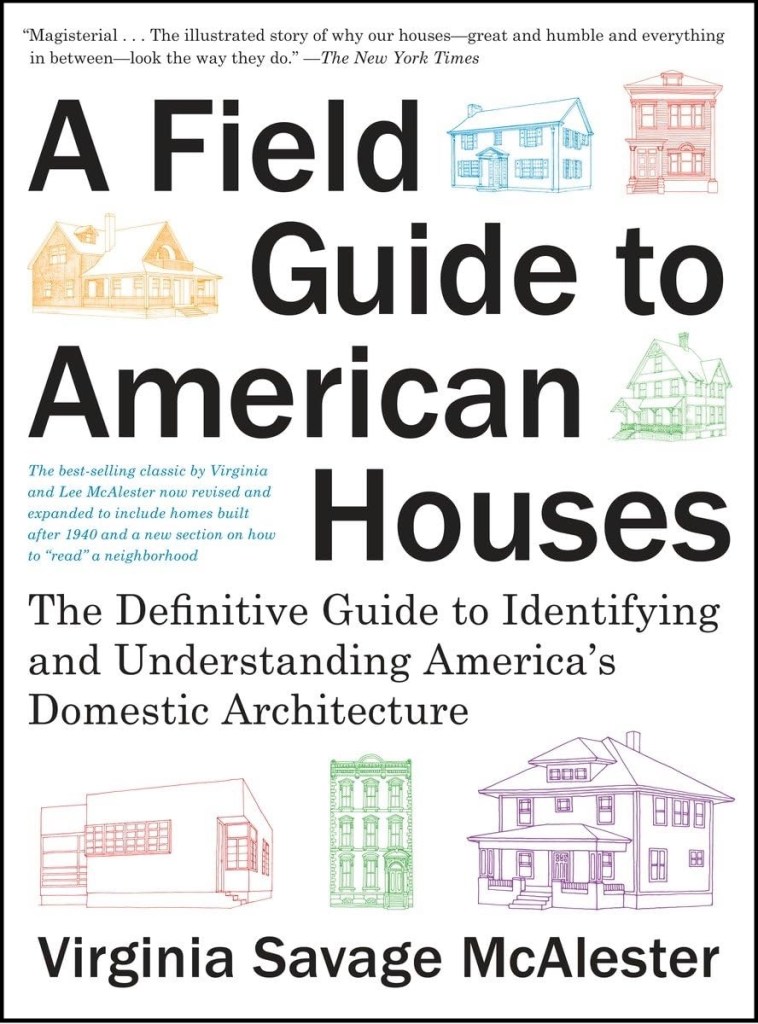
13. Field Guide To American Houses – Virginia Savage McAlester

Described as the “definitive guide to identifying and understanding American domestic architecture”, this book is considered an essential source for understanding the myriad of styles and elements that define American houses. With over 1000 drawings and photographs, the book separates the various styles into chronological categories and explains the details and accents that define each of them with clear, simple sketches. The second edition is about $24 in paperback.

****************************************************************

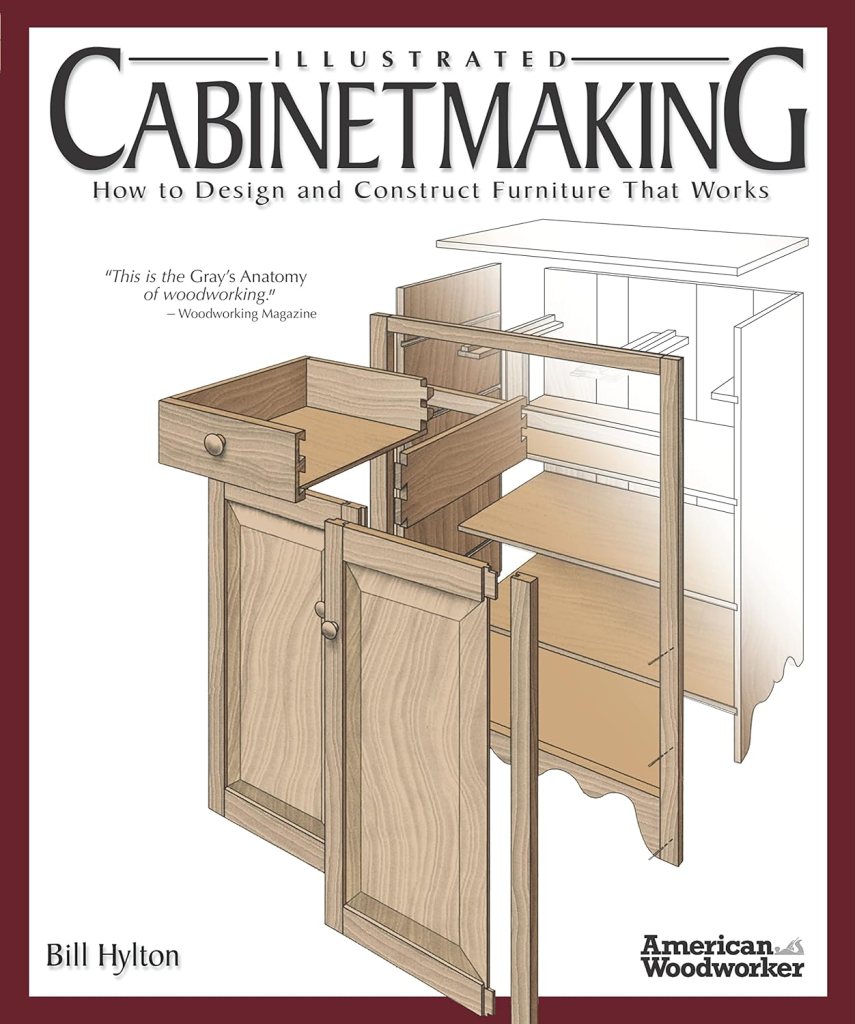
14. Illustrated Cabinetmaking – Bill Hylton

I covered this book in detail in an earlier post. One reviewer referred to this book as the Gray’s Anatomy of woodworking, and that’s a pretty accurate description. If you’re going to design furniture you need to understand how it’s built, and this book explains it with over 1300 color illustrations and exploded views of 90 different pieces of furniture from different time periods. There are sections on joinery, standard dimensions, and sources for construction drawings. Paperback editions are about $24. Digital editions are also available.

***************************************************************

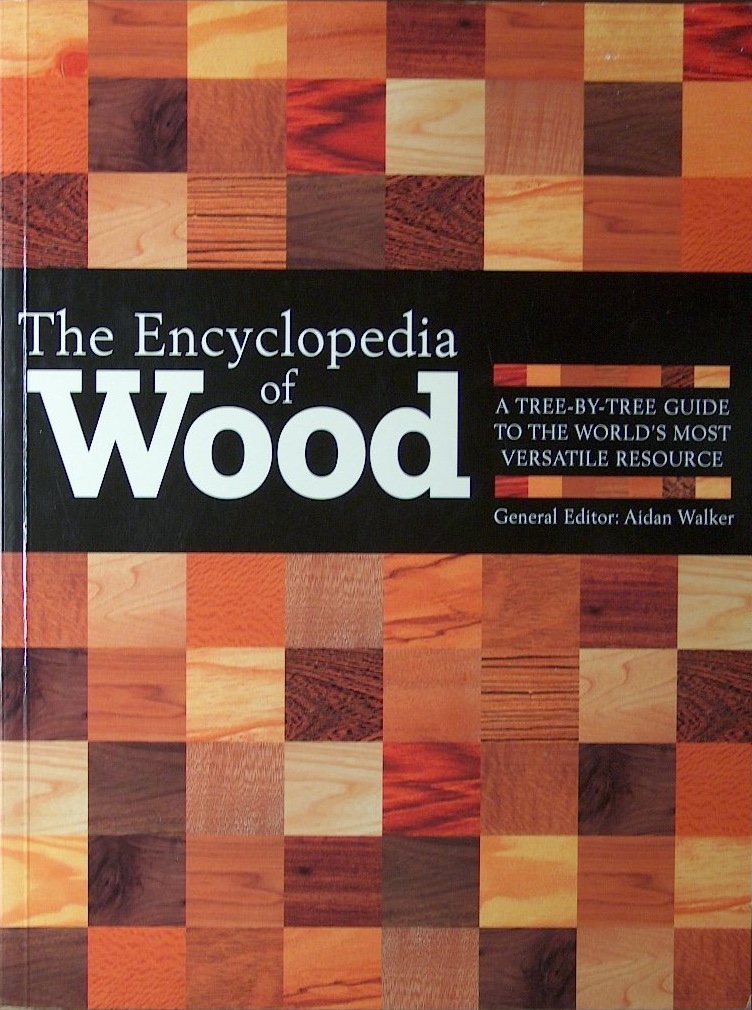
15. The Encyclopedia Of Wood – Aidan Walker, Editor

There are numerous books on tree identification but this one stands out to me because of the variety of wood that it covers and the large, clear color photographs of each of 150 species grain patterns and figure. There are also chapters on how wood is processed, what wood movement is, and how veneers and lumber are milled. In paperback for about $35.

***************************************************************

16. American Cinematographers Manual – American Society of Cinematographers

The new 11th edition will cost you about $120 in hardback and almost the same in it’s digital version through the iTunes and Android sites. Earlier used editions can be purchased for a third of the price of a new edition, but much of the latest technology isn’t in them. This is the go-to book for all things dealing with cameras and image capture. A lot of people will tell you you don’t need this. I’m sure you might also have a great career as a car designer without knowing anything about how cars work. Because when it comes down to it, all we’re really doing is designing big, pretty things to bounce light off of. Just remember, if the department names were based on physics we’d be the Light Reflector Design Department.

 *************************************************************

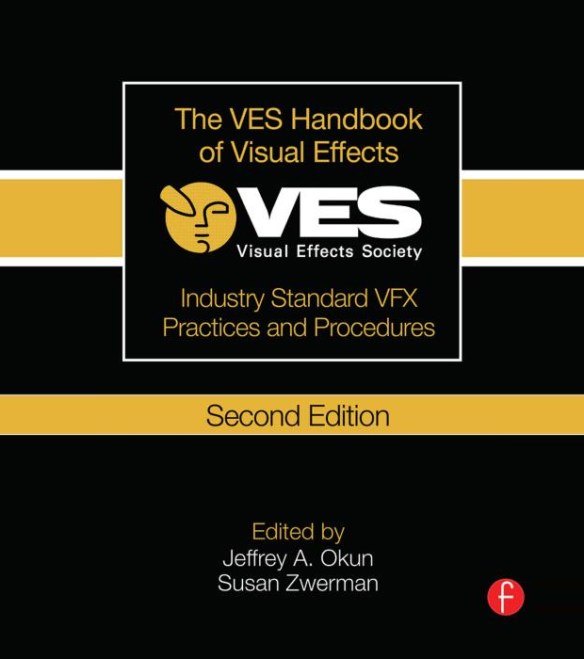
17. The VES Handbook Of Visual Effects – Okun & Zwerman, Editors

Published by the Visual Effects Society, this +1000 page book covers every type of visual effects shot you will encounter. From in-camera effects like miniatures and mechanical effects to green screen work, motion-tracking, LIDAR, tracking shots, LED wall stages, and everything in between. It’s the most complete book on visual effects that has been produced so far. Consider it to be a complementary reference to the American Cinematographers Manual. In paperback, the new third edition costs about $65.

***************************************************************

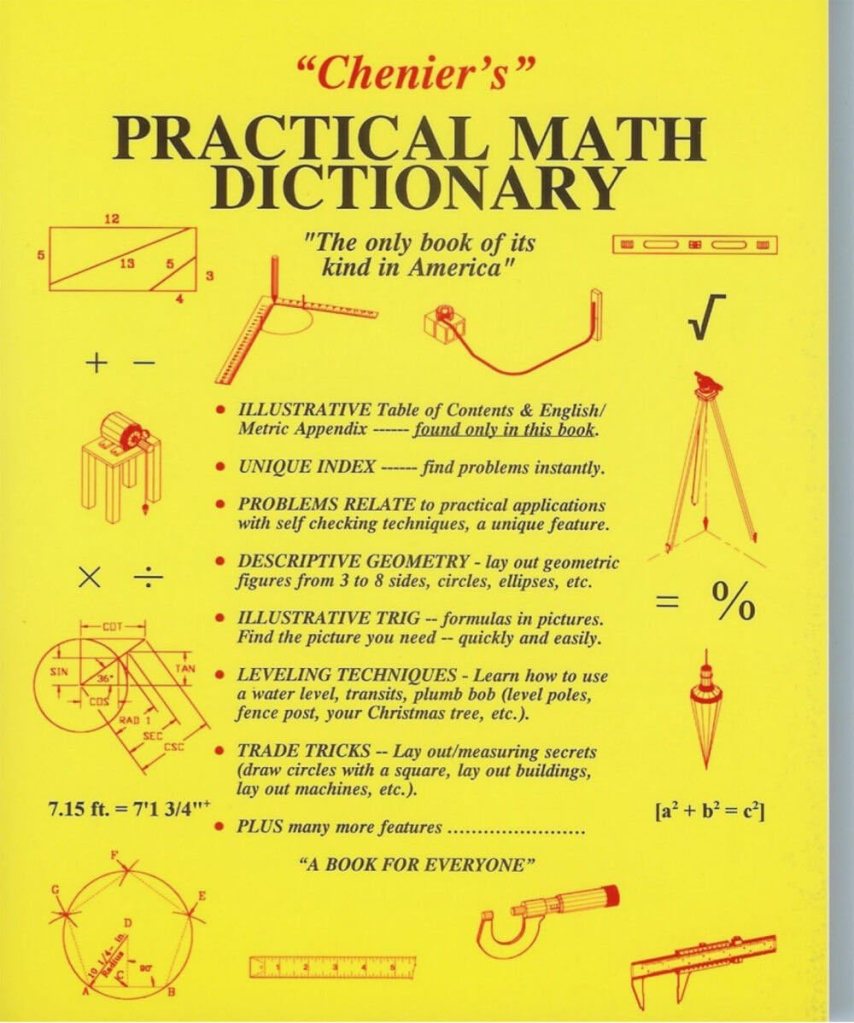
18. Chenier’s Practical Math Dictionary – Norman Chenier

This book is an odd duck in many ways but it has been a real time saver on a lot of occasions. There are sections on descriptive geometry, survey and layout techniques, solutions to common math problems, and other information that you’ll struggle to find anywhere else. In paperback, the latest edition is $26.
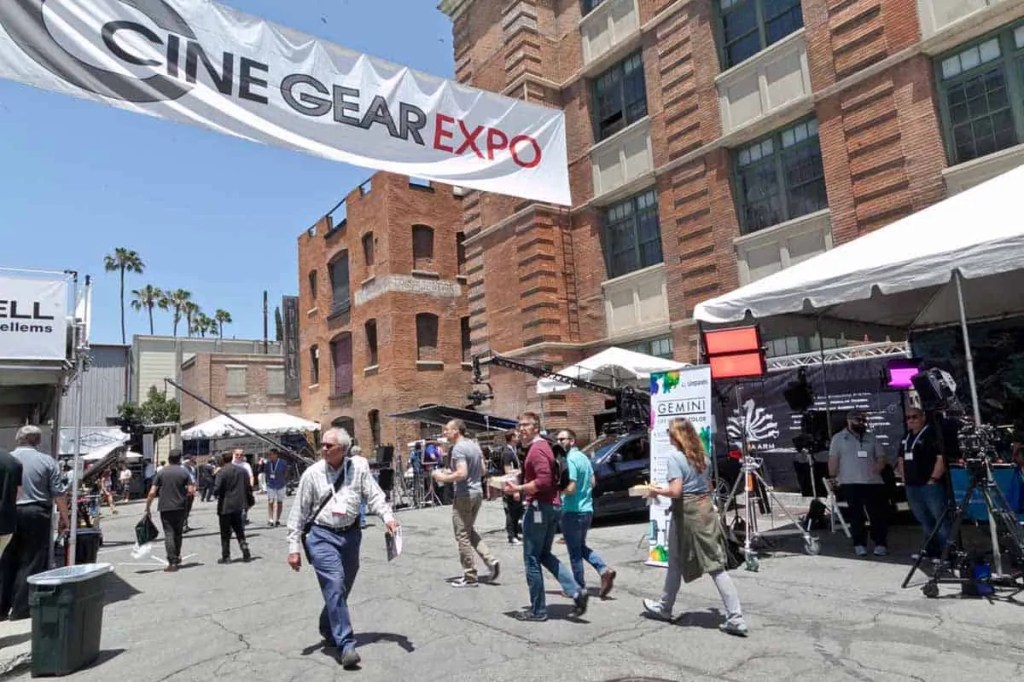
Why You Should Go To The Cine Gear Expo – Tickets Free Until May 27

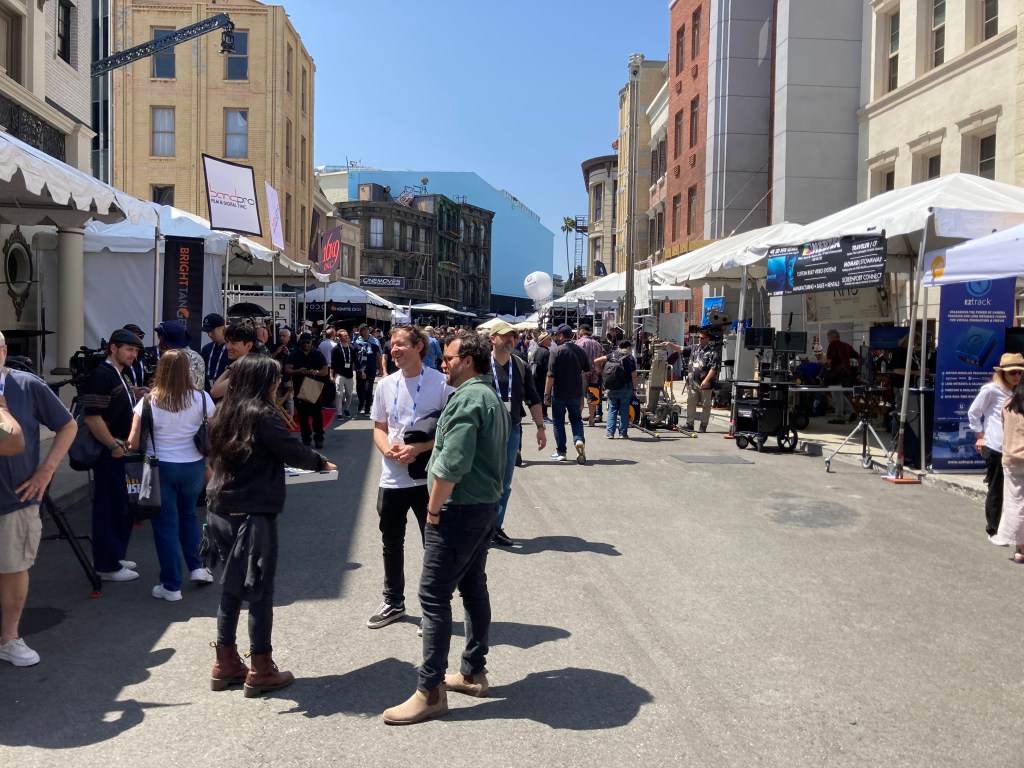
The Cine Gear Expo will be held at Warner Bros Studios from June 7th to the 9th this year after a long run in past years at Paramount Studios.
The event has finally returned to its pre-pandemic size and has been a must-attend event for cinematographers, gaffers, and technicians in the entertainment industry for some time.

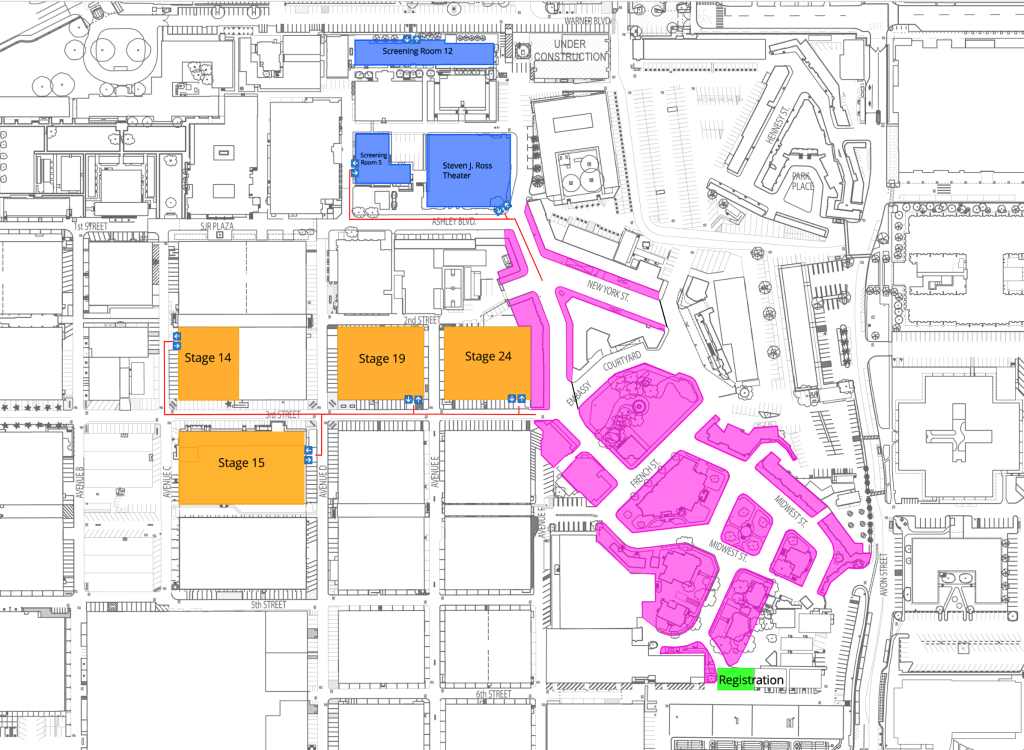
This year’s event will feature exhibits, demonstrations, and presentations by over 250 vendors as well as special seminars and master classes. The exhibition area will fill most of the Warner Studios backlot area as well as stages 14, 15, 19, and 24.

The Reasons You Should Go

Maybe you’re not that interested in camera or lighting equipment, so you’re wondering why you should bother attending. You may not be excited right now by the latest in what the new technology has to offer but you should be, because it affects your job whether you want to believe it or not.

The technological leaps that have been made in the last few years in LED lighting and new digital camera sensors alone have transformed filmmaking and, by proximity, the way stage sets are perceived, shot, and expected to perform.

You ignore camera and lighting technology at your own career’s peril.

There are hundreds of vendors there who are very eager to help you understand what their products are and how they work. You really shouldn’t be intimidated if you aren’t familiar with the basics, they are there to educate you in the new ways of making ‘pictures’.

Think of it as a free weekend film class where the ‘instructors’ are eager to answer any questions you might have. Think of the times you’ve been curious or baffled by the terms a DP is tossing around and being afraid to admit that you have no idea what they’re talking about.

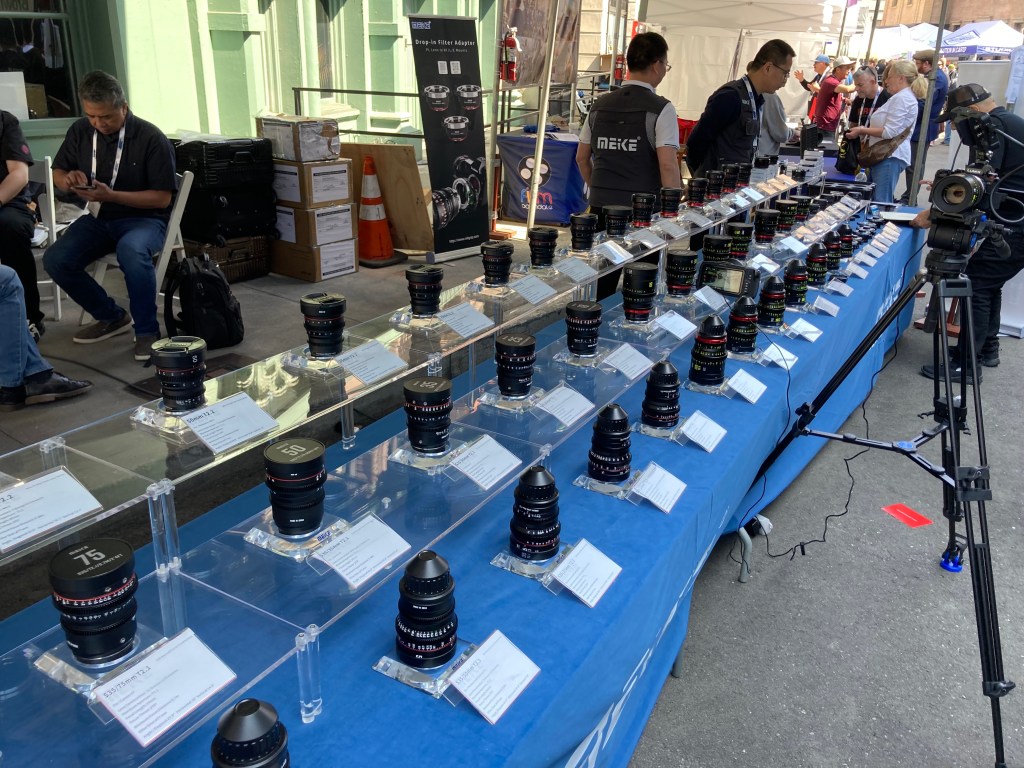
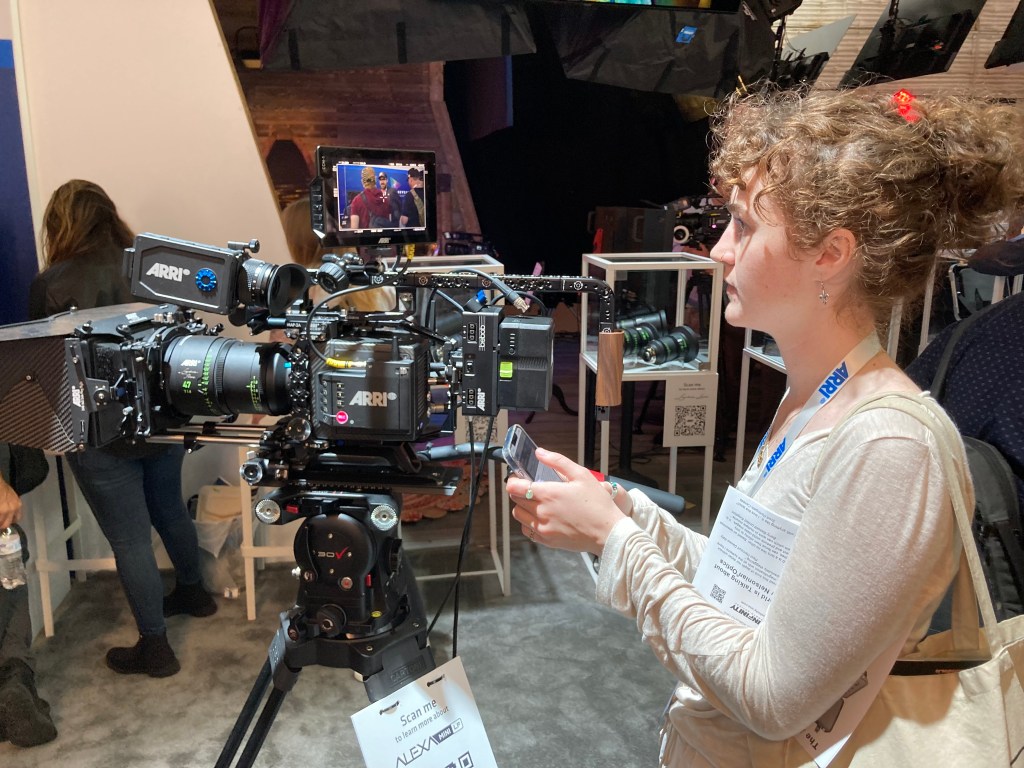
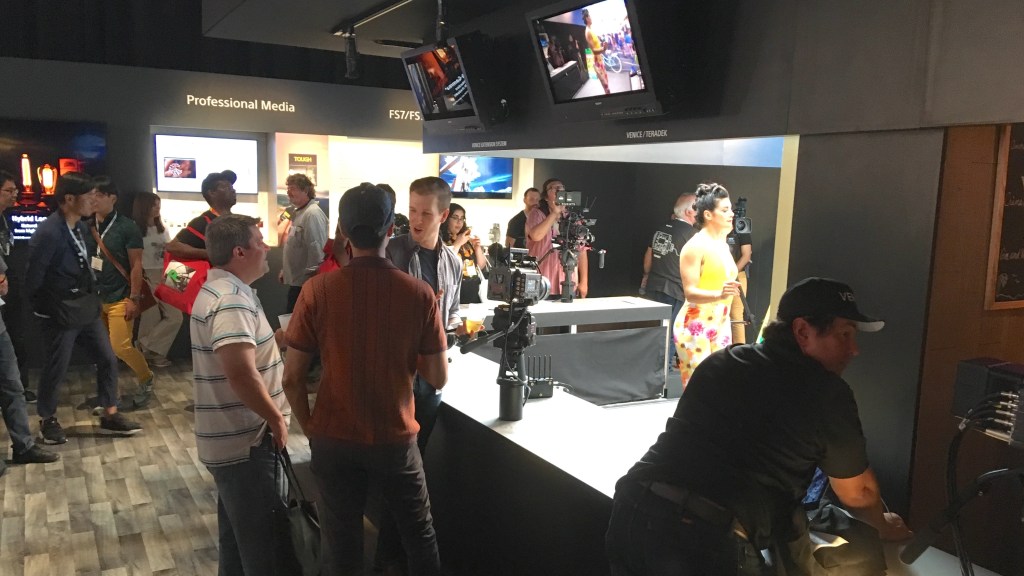
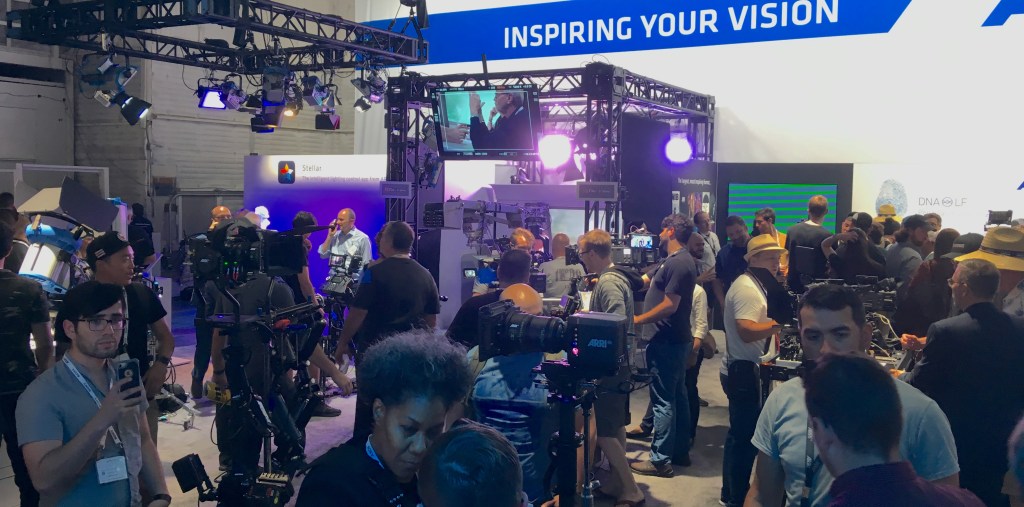
At the expo, you’ll not only get to see the latest cameras up close, but you can operate them too. The next time you want to play with a new Arri or Sony, it’ll cost you $800 or more in daily rental fees, plus insurance. Here you can see them all, in one place, and talk to people who are experts in everything about them. You will never see so many cameras and lenses in one place anywhere else.

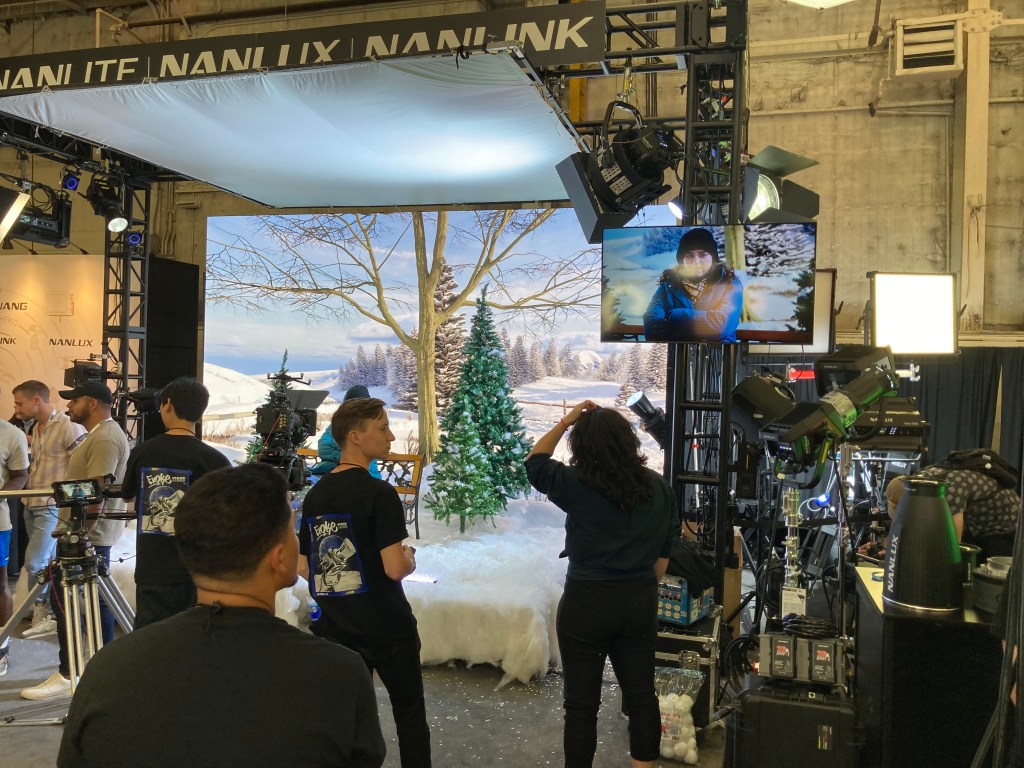
You’ll also see the latest in lighting, new LED volumes, digital screens, cranes, and specialty equipment.

Register for free here.

If you can’t make the Los Angeles show, there are expos in Atlanta in the Fall and in New York in early 2025, But LA is by far the largest show.

Helpful Hardware Reference

Hardware and fasteners are usually a conundrum for most people. Unless you grew up with a dad who liked to fix things or had a preternatural attraction to hardware stores (ok, guilty as charged), you are probably at some point confused about specifying or discussing specifics when it comes to connection thingies.

I’m always on the lookout for ways to simplify the explanations and it gets harder as more and more types of fasteners get added to the possibilities pile.

If you really want to just go down the rabbit hole of fastener options, all you have to do is dive into the online catalogue at McMaster-Carr, purveyor of all things industrial.

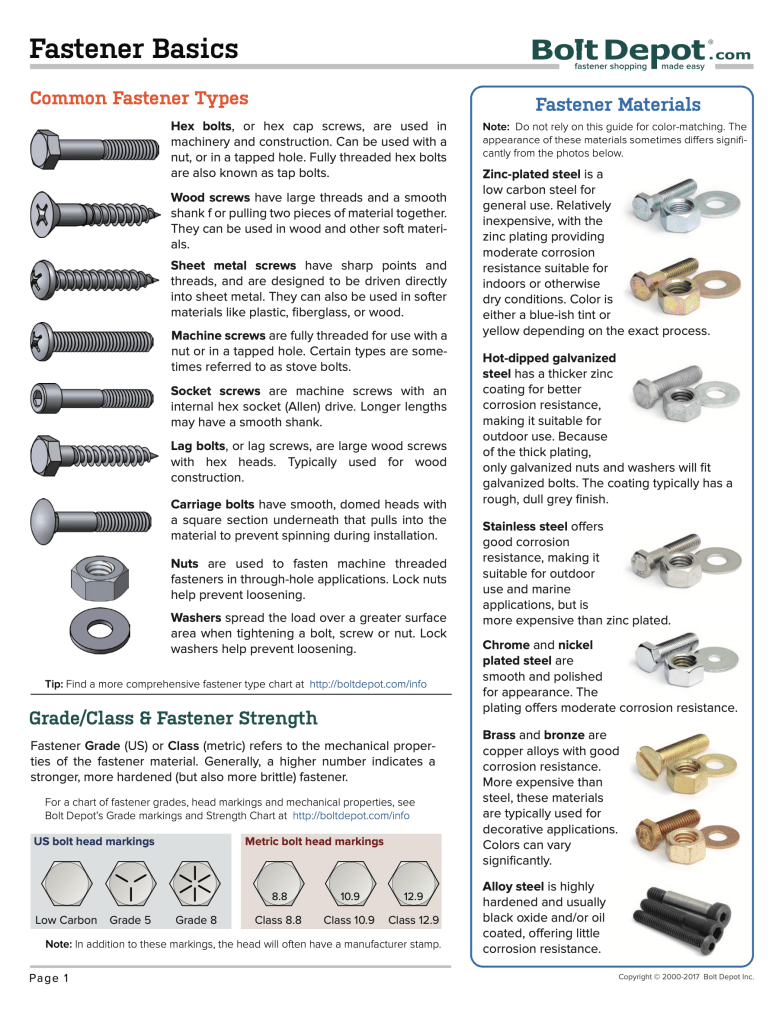
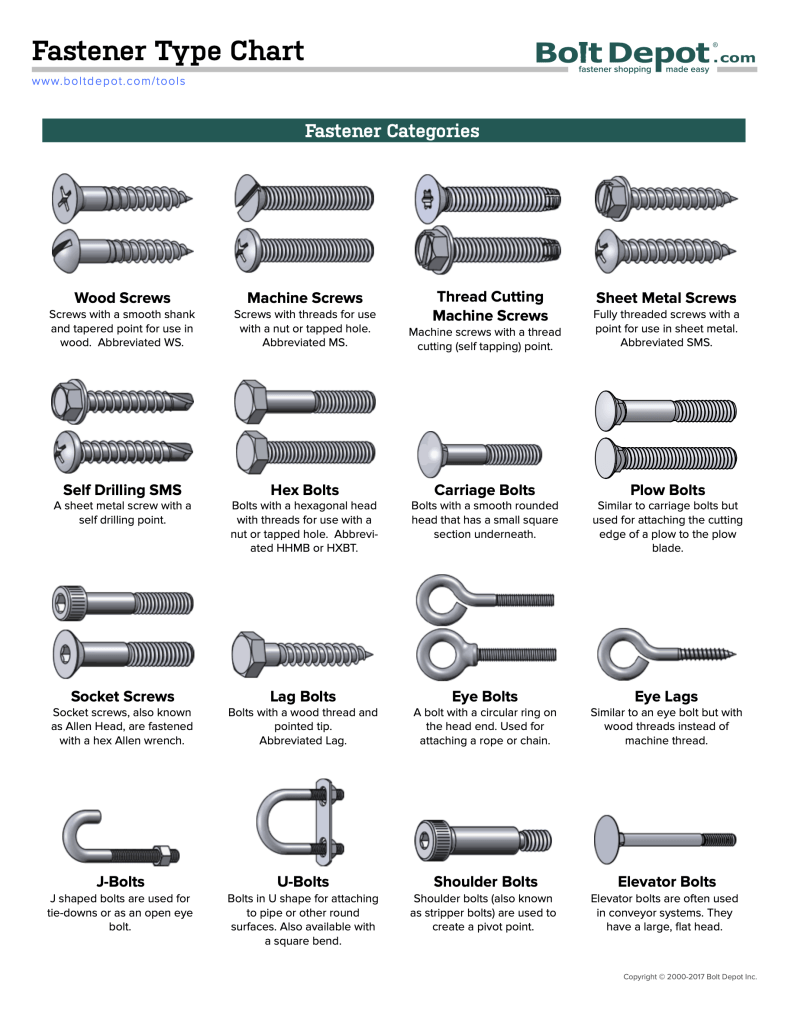
But if you just want a simple, easy-to-understand diagram, go over to BoltDepot.com. It’s a family-owned hardware company in Massachusetts and specializes in fasteners.

They’ve put together a 32 page PDF of basic fastener terminology that includes full-size print out of fasteners so you can see the exact size you’re looking for, which will alleviate a trip to a Home Depot to wander through the haphazard hard department, trying to find someone to help you figure out what you need (don’t waste your time).

You will also have a lot better time getting some personalized customer service at Bolt Depot than you will from the other giant hardware suppliers.

BoltDepot.com

866-337-9888

100 Research Road
Hingham, MA 02043
Mon-Sat 7:30am-5pm 

The Attack Of The Media Anagrams

It’s happening more and more often. I’ll be reading about media, scanning a recent article and there it is, another anagram. Another letter combination that I don’t understand the meaning of.

New anagrams seem to appear every month, especially in the context of media. Is this due to a population that has become so used to typing out everything with two thumbs on a smart phone that character elimination has become the preferred method of avoiding carpal tunnel syndrome?

Sn u wl nd to b abl 2 rd evythng wth mst of th vwls mssng. Can’t wait for that.

I’m trying to keep up with all the technological changes that are happening in our industry but it’s tough because it’s not just happening with cameras and lenses and software but the whole distribution process itself. You need someone to explain it all to you the way you need a cousin who’s an attorney to explain that contract ‘legalese’.

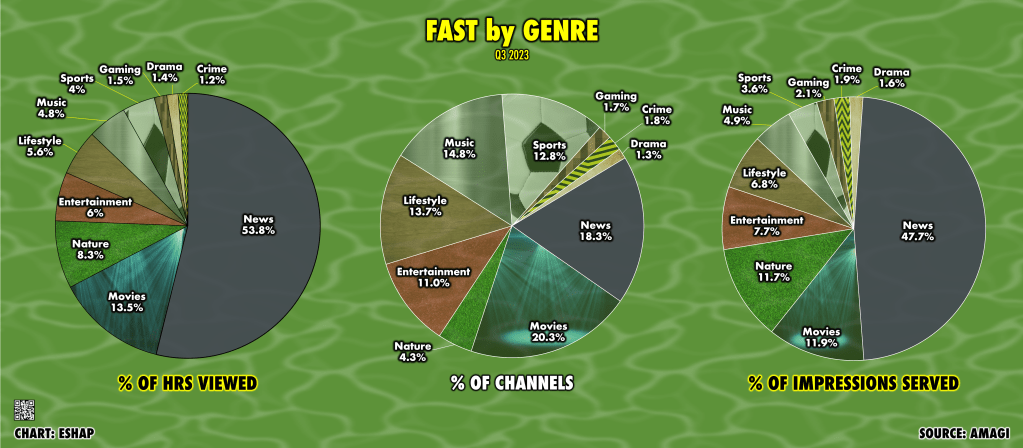
For helping me to understanding ‘media-ese’ (Yes, I just made that word up. Sue me) I found a blog by Evan Shapiro who has a great page on Substack that explains all this mumbo jumbo without any promotional spin.

Graph by Evan Shapiro at ESHAP

His latest post is about FAST (Free Ad-Supported TV) and goes into great detail about what is going on in the world of non paid-for media and hints at why the studios and media channels seem so baffled about where their business is going, which is a clue to the reason most of us have been out of work for most of the year.

If you have any interest in understanding what is going on with the current media distribution models we have to live with, I’d suggest subscribing to his Substack site. It’s the only site I’ve found that leaves me less confused rather than more so after I read it.

Here’s a short list of media anagrams you may not already know. I’ve culled these from our glossary that I’ve promised since last Fall.

  • AVOD – Ad-supported Video On Demand (Roku, YouTube)
  • CTV – Connected TV – nonlinear video delivered onto a TV screen.
  • FAST – Free ad-supported TV
  • OTT – Over-The-Top – Streaming content to customers directly over the web.
  • SVOD – Streaming Video On Demand – Amazon Prime, Hulu, Disney +
  • SVAD – Subscription Video Ad-supported – (Netflix, Hulu, etc.)
  • TVOD – Transactional Video On Demand – iTunes, Skybox

AI: A New Angst For Designers

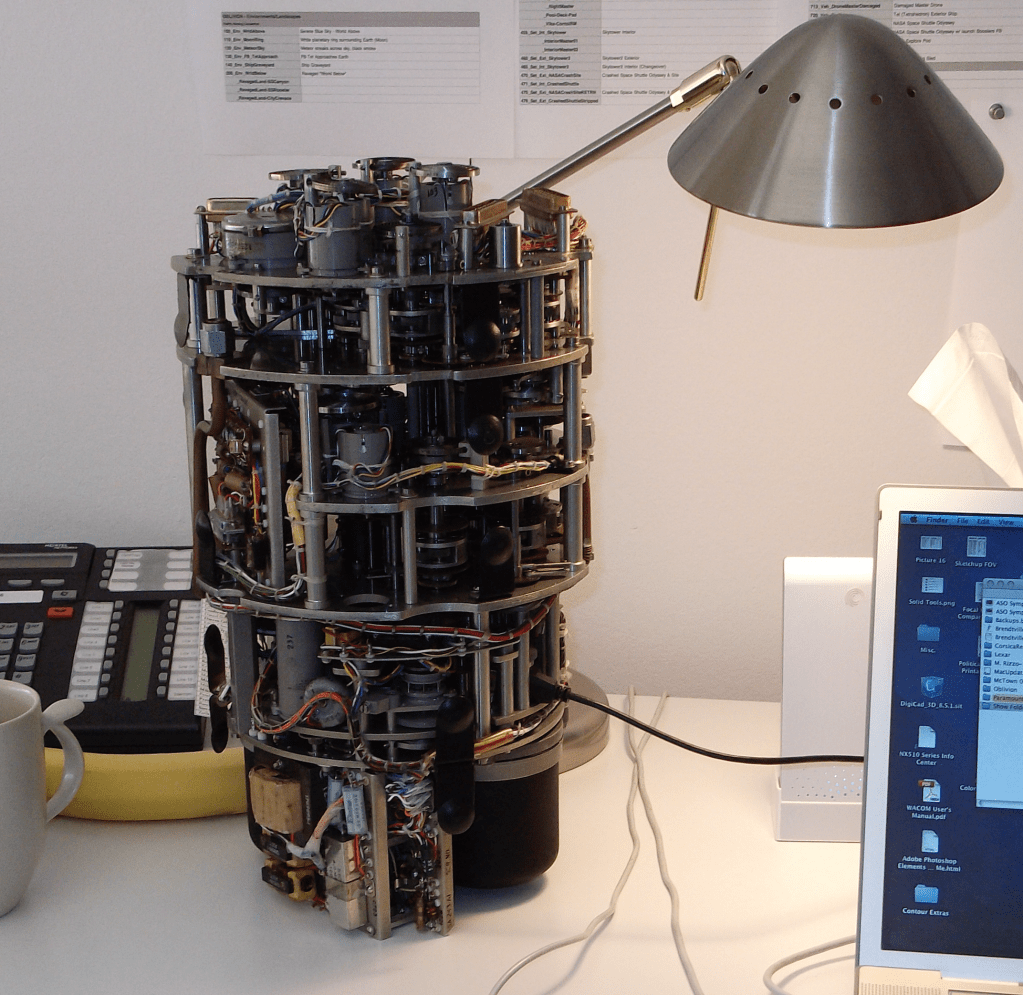
The Must-Have Desktop Device of The Future? Coming in 2028 – The all-in-one 100 Petabyte AI generator, espresso machine, and desk lamp.

The topic of AI-generated content has suddenly dominated the news, or at least as far as the entertainment business is concerned. The subject is certainly a factor in the recent Writer’s Guild strike that is now in progress as it’s one of the sticking points that caused negotiations with the studios and the producers to break down, and not without unrealistic concerns on the Guild’s part.

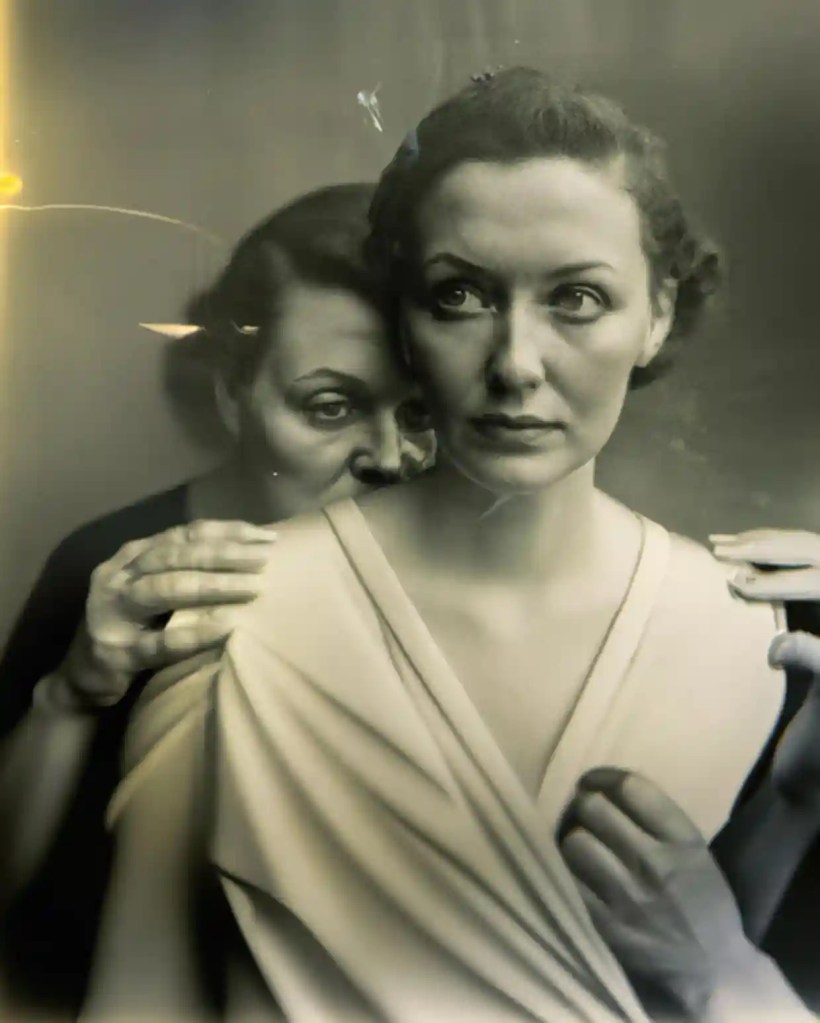
The discussions around AI-generated content have been percolating in the background for some time but only recently has it seemed that people are taking it seriously. At first, it was just educators who were worried about students using ChatGTP to generate papers or do tests for them. But now several fake Drake songs and a photographer winning a photo contest with an AI-generated picture have suddenly focused the public’s attention on the possibilities.

Photo: AI image by Boris Eldagsen

If the studios can eliminate or minimize writer’s contributions to story and script development, how long will it be before they eliminate actual designers from the process? Are Art Departments seeing their extinction on the horizon?

Twenty years ago the Film industry, at least from the Art Department’s perspective, looked askance at computers. They weren’t to be trusted. The secret fear was that once they became ensconced in the design part of the industry, a lot of work would evaporate. Once something ( a location, a set, a detail drawing) was committed to digital information, jobs would begin to evaporate. The exact opposite happened.

The idea that digital information is permanent, for one thing, is now hysterical. For another, the idea that they would reduce the need for individuals is also funny. The possibilities for design exploded. Now you could do many versions of versions in less time, create renders of drawings and models, create visual displays that would have been unthinkable before. The average size of Art Departments on most medium to larger films has doubled, sometimes even tripled. You need people to generate all that work and now that process is the norm. On one feature not long ago there were over twenty Set Designers and a dozen Illustrators where there would have been a third of that number before.

As for the permanence of digital information, that happens only with excellent human oversight. On one feature we were instructed to copy all of our files to two different external hard drives for safety and to ensure the files would be available for the film sequel. We assumed that by doing so we were pretty much insuring that we wouldn’t be working on said sequel.

A year later I got a call asking if I was available to work on the sequel. It seems that one of the hard drives had gone missing. The other one was located but wouldn’t be of any use. The person responsible for keeping it safe had decided that they needed to back up their music library, and rather than spend $50 on a new hard drive, had erased what I estimated to be over $1,000,000 worth of design work. We were all hired back to redraw what we had drawn once before.

Had the drawings been done on vellum, they could have just pulled the sheets out of the file and made new prints. Which medium is more ‘permanent’?

A recent article at the Center For Data Innovation website outlines the issues that people are commenting about when dealing with AI. The author, Daniel Castro, argues that people are worrying about the wrong issues when discussing AI.

He argues that while AI systems should certainly not be exempt from complying with intellectual property (IP) laws, they should also not be held to a higher standard than humans are when it comes to ‘artistic influence’, as it were. he argues that AL will create more opportunities for artistic creation and that training AL software with copywritten images is no different than what humans do when they are influenced by artwork and music when creating new work.

Ed Sheeran recently won a lawsuit brought against him for supposedly copying a Grammy-winning song by Marvin Gaye. Sheeran defended himself by noting that the same chord structure and melody he used in his song was common to hundreds of other songs which were similar but yet different.

The case was watched very carefully by the music industry as well as artists everywhere, as it would have had a huge stifling effect on music creation as well as future artistic work if Sheeran had lost.

Current laws do not make it illegal to create generative AI work that is similar to another piece of art or image, but they do prevent the creation of a work that is identical or nearly identical to another work. Of course that description of what constitutes as a copy has the danger of veering into a very subjective territory.

In his article Castro makes the point that rather than limit the pool of information that AI has access to in creating generative artwork, it is incumbent on policymakers to strengthen and enforce IP laws, which would protect artists in other ways as well.

There may be a time when a producer or director decides to “pre-design’ a show using AI technology. Architects and Interior Designers are using it now to create basic designs and floor plans. But I think its usefulness is limited. Without a deep knowledge of stage work, period design, an understanding of the story, technical knowledge and an artistic eye, much less personal aesthetics, drawing ability, and color sense, with generative AI you will basically have an interesting collage /scrapbook instead of a fully thought-out design.

Designing For The Camera – Understanding Cameras & lenses

New Master Class – Pre-Sale at 50% Off Until May 15

Until now, no one has created a class that explains cameras to designers.

You’ll not only learn the technical information that will help you understand the mechanic of cameras and optics, but you’ll learn how they capture your scenery and how they can affect your design decisions.

Image: Warner Bros Studios

As a film designer you must understand how cameras capture and record images, because that’s how the audience sees and experiences your work.

Few if any film design schools include optics as part of the curriculum leaving film designers with a huge disadvantage when working with the cinematographer on a new project.  The information in this course will help you create effective and believable sets that help the camera tell the film’s visual story as successfully as possible.

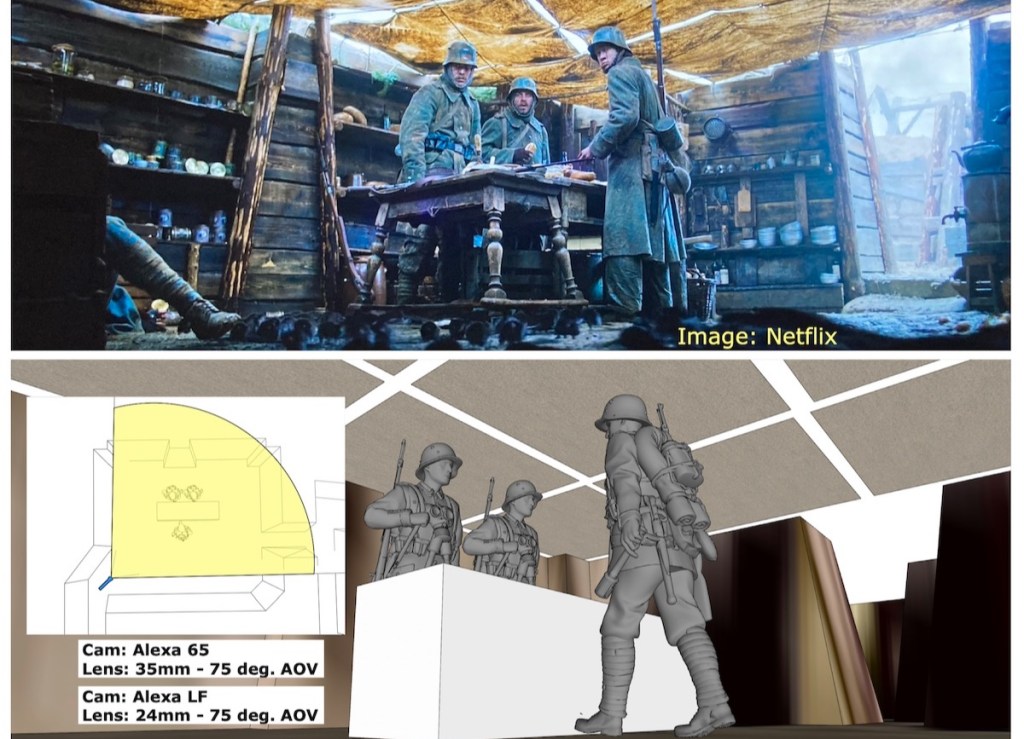
Image: Netflix

With this course, you will be able to discuss the camera requirements for your sets with the cinematographer and visual effects supervisor and not be excluded from important decisions that affect your designs. It will further your knowledge for a successful career in the Art Department as a set designer, art director, or production designer.

What you’ll learn in this course:

  • Cameras – Film vs. Digital
  • Lenses – spherical vs. anamorphic, prime vs. zoom
  • Specialty lenses – lenses and attachments that solve tricky shooting issues
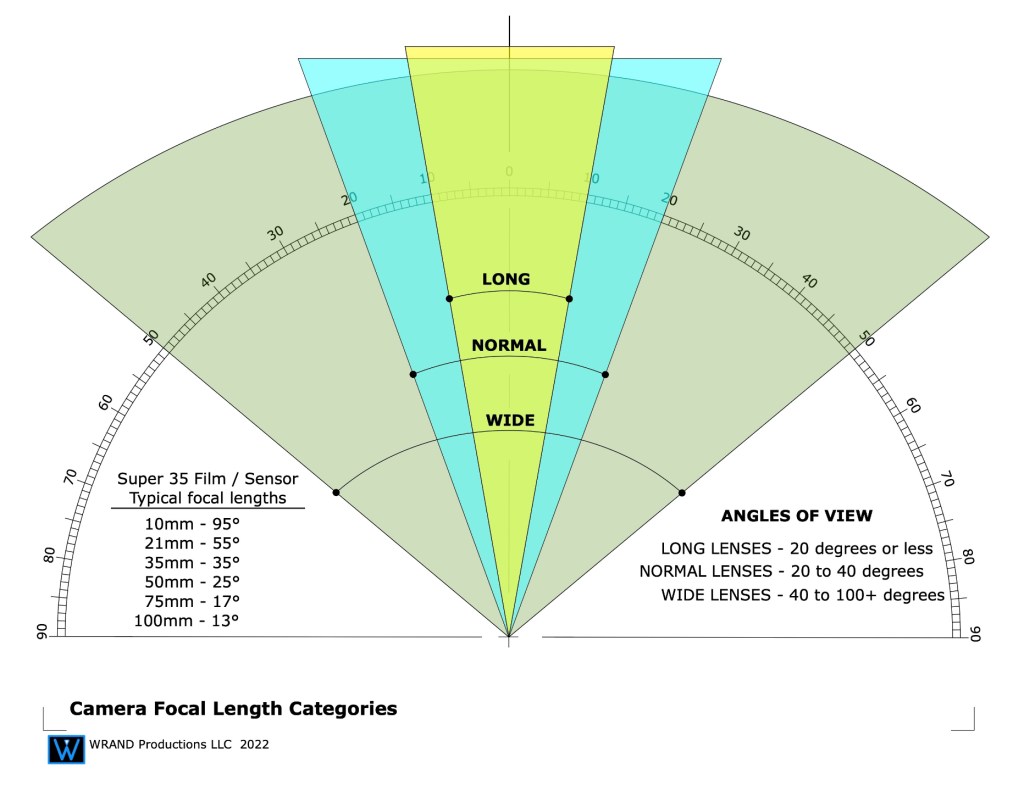
  • Understanding focal lengths
  • Understanding depth-of-field
  • Aperture settings – F-stops vs. T-stops
  •  Dynamic range – over and under exposure comparisons
  • Lighting – color temperature, typical lighting styles
  • The Inverse square law of lighting
  • The basics of optics for in-camera effects such as foreground  miniatures and forced perspective sets.
  • Understanding color grading vs. color correction,  and digital intermediates or D.I.’s
  • Why is resolution important? Understanding the race for more pixel depth.
  • User Manual – you’ll get a manual with both text and diagrams that explains the concepts of the course for later reference

You will also get access to the weekly Community Lounge where you can get questions answered and meet other members of the film community.

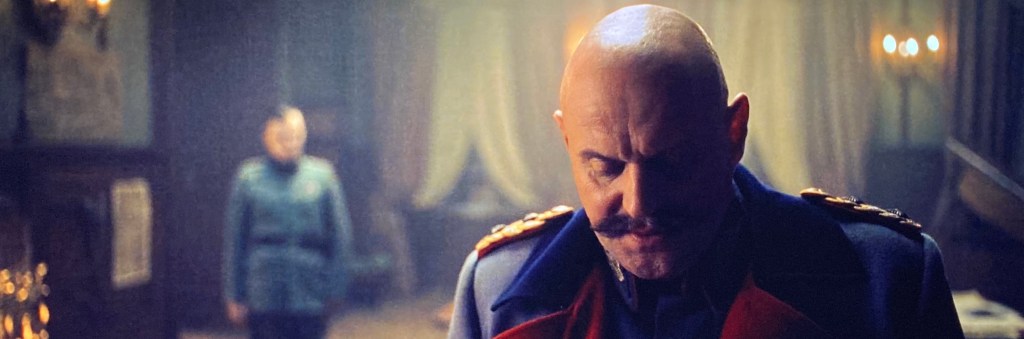
In addition, I’ve included a special section that analyzes a number of the shots from the new German film, “All Quiet On The West Front” (Im Westen Nichts Neues). which won Oscars for both Best Cinematography and Best Art Direction in 2023.

With 3D model recreations of some of the sets and locations, I’ll discuss why certain shots were difficult to get and how they achieved them. I’ll also discuss how physical locations and built sets can sometimes make shooting problematic and how careful pre-planning can avoid frustrating situations during production.

Sign Up Now

Cinegear Expo – Why You Should Go

First of all, this is not a paid ad. I’m getting nothing out of doing this post other than making people aware that they may be missing a big opportunity to take advantage of an event where they can learn a lot about the state of current and upcoming technology that is created specifically for the entertainment industry.

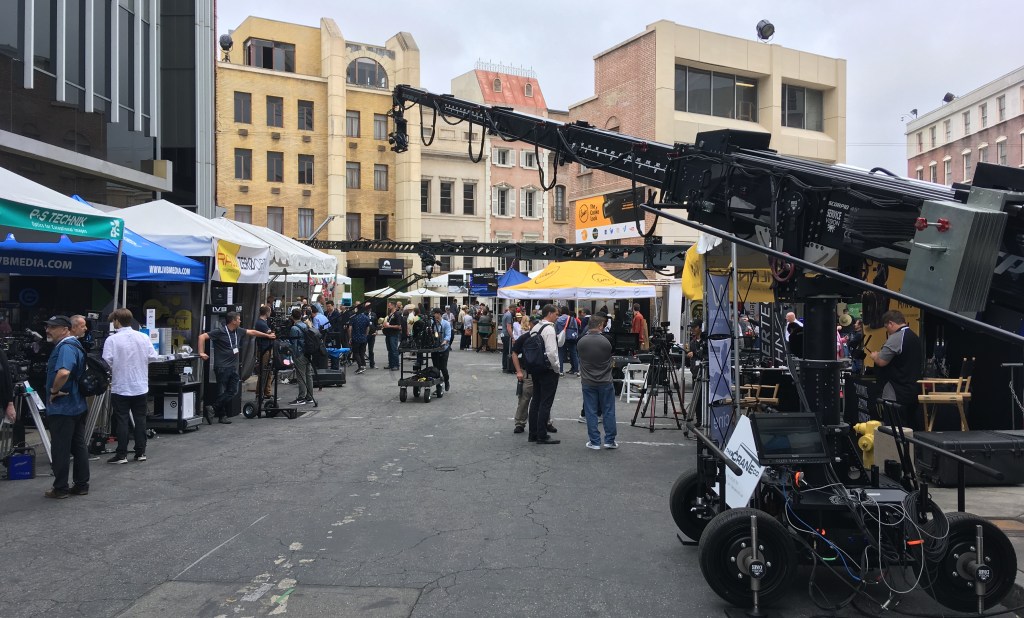
Cinegear is an annual expo that takes place in Los Angeles during the summer. This year it’s being held back at its usual spot on the Paramount Studios lot in Hollywood on June 1 – 4. (There was one in New York in March and there will be a slimmed down version in Atlanta in October). And, it’s free. Admission is now waived, you’ll just have to pay for parking in an adjacent structure.

Known mainly as a product expo for manufacturers and purveyors of cameras, lighting instruments and production equipment, the event is a perfect place for designers and art directors to find out about inventions and equipment that will affect their jobs now and in the future.

People who aren’t camera-savvy tend to be intimidated by the immense amount of hardware on display and assume that they have nothing to gain by spending a day looking at cameras and grip equipment.

Yes, it’s geared toward professional camera crews, but they don’t make you take a test at the gate. The vendors are more than happy to answer any and all questions about their merchandise, even ones that you think might be simplistic. There are also hands-on exhibits and master classes available to anyone.

Where else can you go and see (and play with) every available cinema camera that’s on the market? My daughter loves checking out those $60,000 cameras that she can’t yet afford to rent.

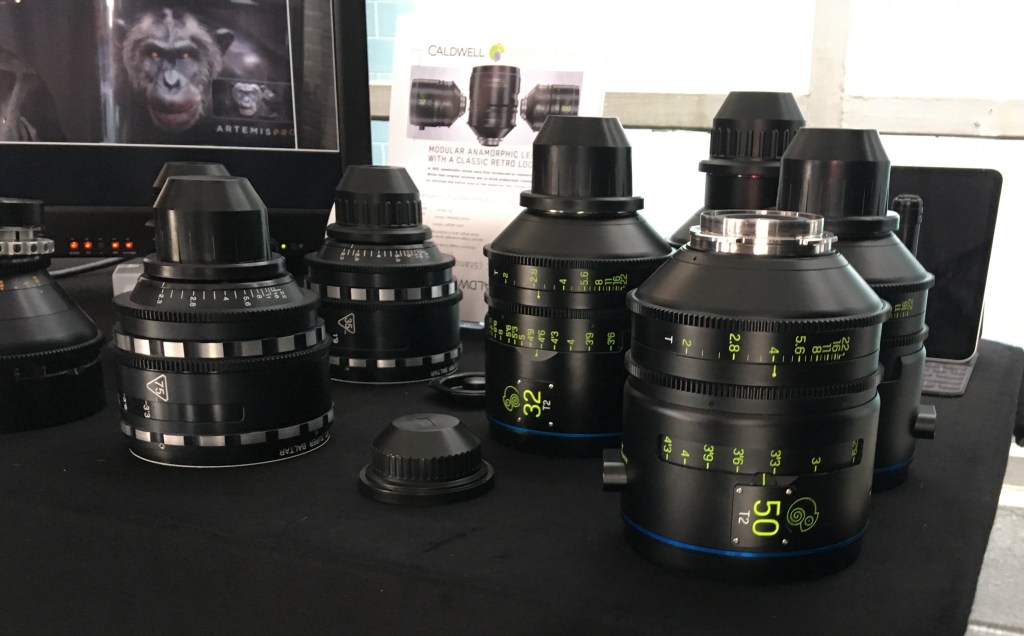
At the Panavision booth they’ll even put any vintage anamorphic lens you want on one of their cameras so you can see them in action.

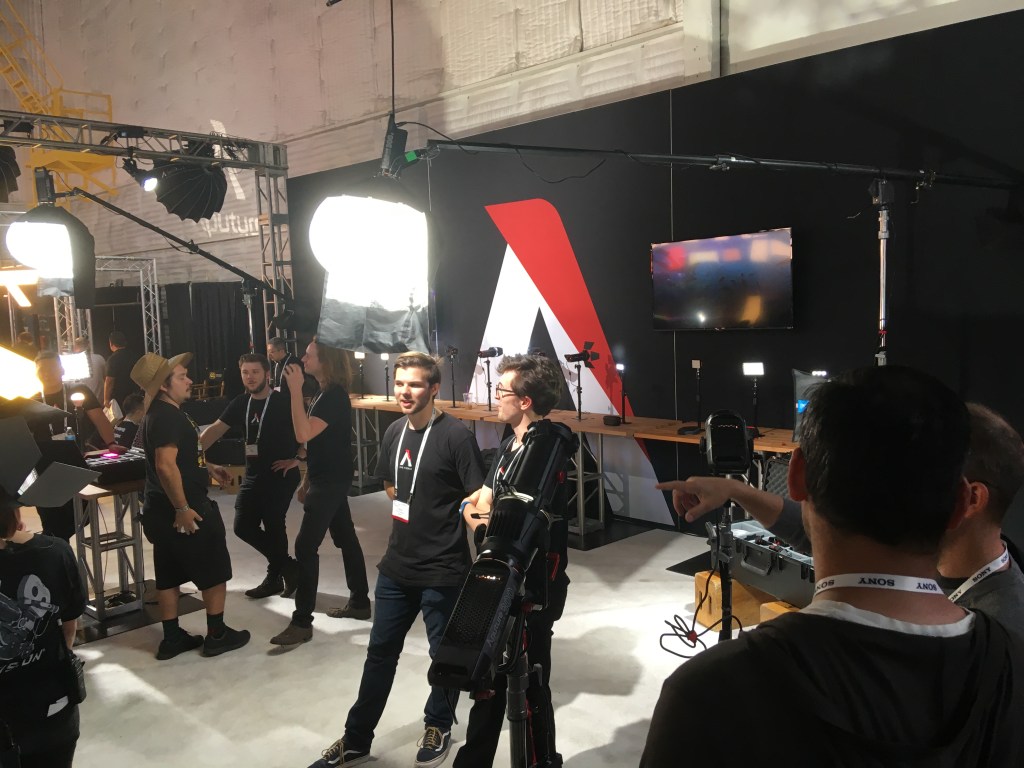
And it’s not just cameras that are on display. Vendors of new LED lighting instruments, LED wall systems, backings, pre-visualization systems, etc., are eager to show anyone involved in the business what the possibilities are. LED lighting instruments keep getting better, brighter, and smarter. The new Arri LED panels, for instance, are set up to mimic any color temperature or lighting effect.

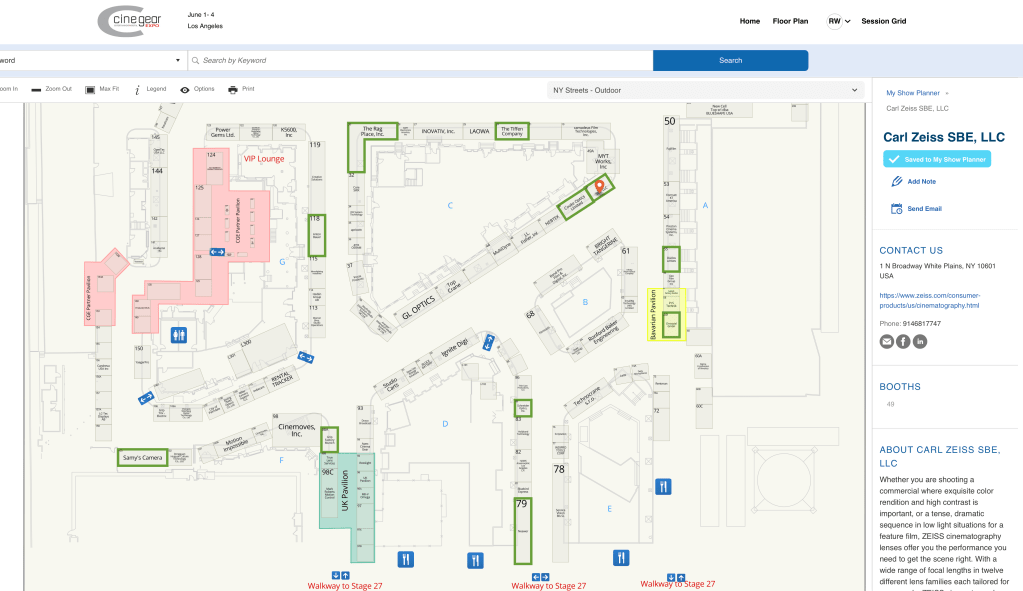
You can see a map of the vendor sites on their webpage, and you can create your own map to track booths you want to visit ahead of time if a fear of being overwhelmed by the size of the venue (nearly 200 vendors) is a concern. Vendor booths fill 5 sound stages and the entire backlot area.

Master classes are usually held on the last day and attendance quotas fill up quickly, so be sure and make a reservation in advance.

If you do go, save time by registering beforehand and skip the long line at the gate:

Registration page is here.

This years’s show should be well-attended. It’s been 4 years since the last show at Paramount. Last year there was a much scaled-down version at the Los Angeles Convention Center which was disappointing to say the least.

The VES Handbook of Visual Effects

Visual Effects are such a ubiquitous element of filmmaking that it’s rare to see a commercial or short film that doesn’t use them.

With the digital revolution changing the film production landscape on daily basis, from new cameras to capture formats, the field of visual effects is yet another part of the production process that is important to keep up with. As visual effects become more prevalent and take up a larger part of the pre-production decisions it’s vital to understand the basics of modern visual effects as designers.

The-VES-Handbook-of-Visual-Effects-post

Much as the ASC Cinematographers Manual has been considered an essential volume, the VES Handbook of Visual Effects fills the same need when it comes to gaining a working knowledge of today’s VFX processes. At over 1000 pages the book is even more comprehensive than the ASC manual and covers everything from pre-production to post-production considerations.

It covers green-screen work, front and rear projection systems, shot design, motion capture, stereoscopic 3-D work, compositing, game and animation projects and motion tracking as well as traditional in-camera effects work like glass shots, forced perspective and miniature photography.

For understanding the modern visual effects world you would find it hard to locate another book with this much practical information.

Available from Focal Press for $75 in paperback.


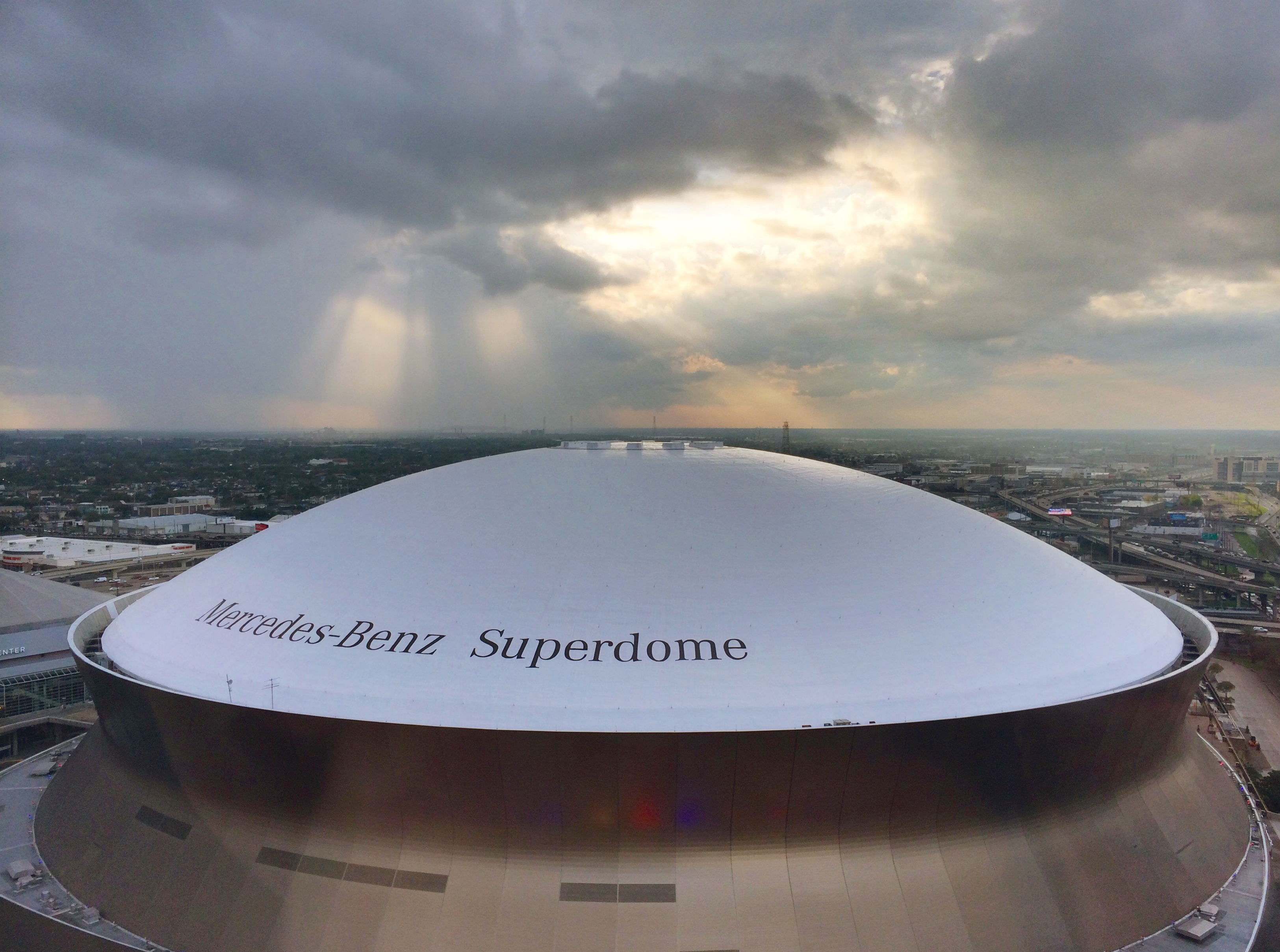
Superdome To Be Converted To World’s Largest Soundstage

Superdome-world's biggest stage_rdwilkins

With film production reaching ever larger numbers in Louisiana, adequate stage space has been a constant complaint from film companies looking to shoot in New Orleans. Now that the New Orleans Saints have moved to their new state-of-the-art sports facility in Metarie, the Superdome’s future looked dim.

The city has announced today that the facility will be remodeled as a soundstage and will by 2017 be reopened as the largest film production stage in the world.

Plans call for up to 12 films to be able to be shot simultaneously with new sliding curtain walls to divide the space as required. As a single stage, the dome will be large enough to conduct aerial dogfights inside. The film Apollo 11 is scheduled to be the first production shot here as the new floor will now retract to expose a deep tank for a 800 foot floor-to-perms height which will allow the rocket launch footage to be shot without worrying about bad weather.

Ernest Fuertmann, the projects manager, has announced that filmmakers can certainly take advantage of the bad weather when they need it as the dome’s roof will be configured to open for full sky exposure. The dome will also have the ability to become a giant water tank and will be completely filled with water for the 2018 remake of Red October.

During the news conference, Fuertmann said future plans include numerous subterranean levels which will house blocks of 3-story facades of every major city in Europe.