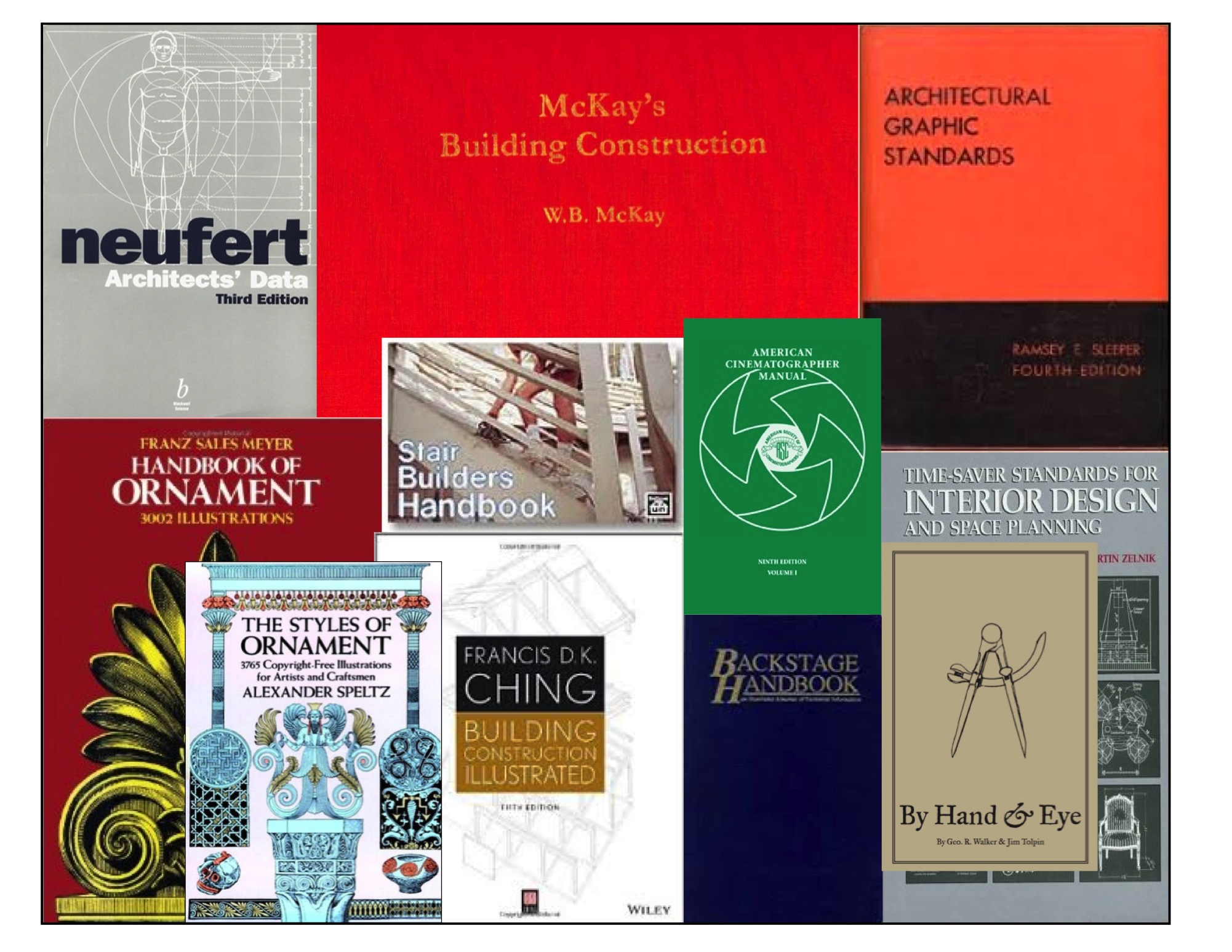
18 Design Reference Books You Should Have On Your Shelf (UPDATE)


design book montage_1

Ten years ago,  I wrote a post on 10 design books that I thought everyone should have. Looking at that list now, I think I need to expand on it by adding a few more to the list.

Here is my must-have list with sources:

1. Architectural Graphic Standards – 5th Edition –
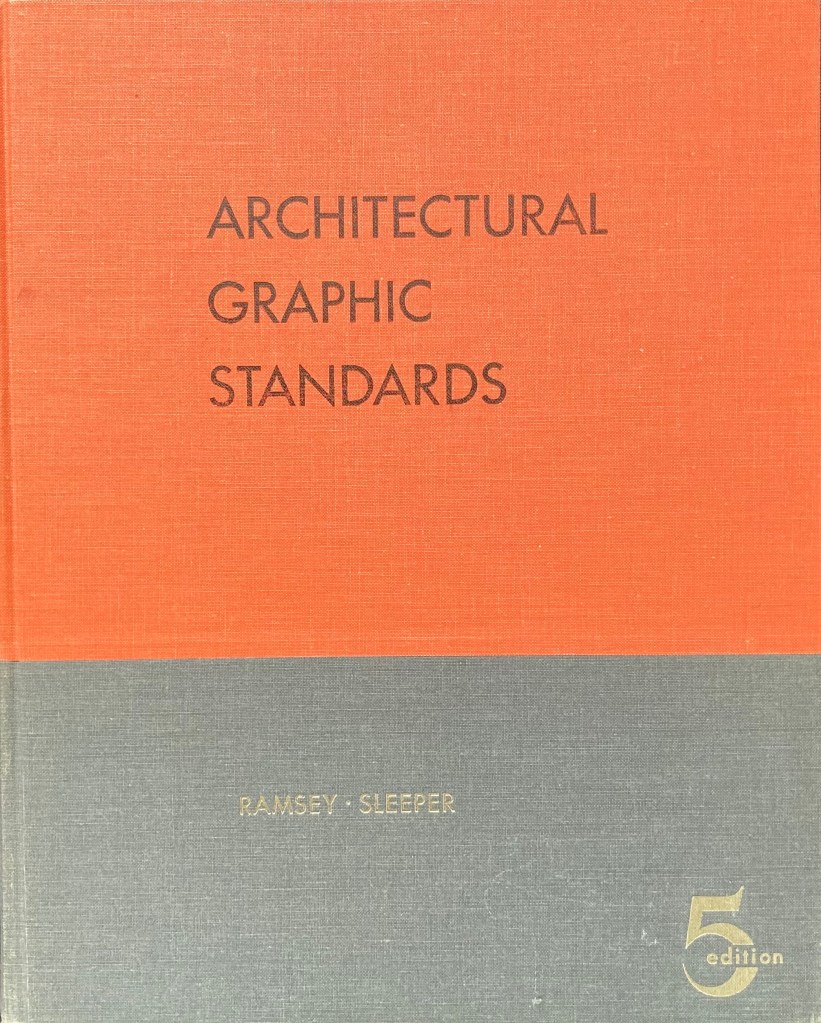
This was when the books were filled with great hand drawings and actually showed you in detail how things were built. There are lots of period details as well. Out of print for over 50 years, (at least in this edition) you can still find copies for anywhere from $20 to $200. The 3rd edition would be a suitable replacement. the first edition is also good to have and has been reprinted several times. Check Abebooks for copies. Not available digitally.
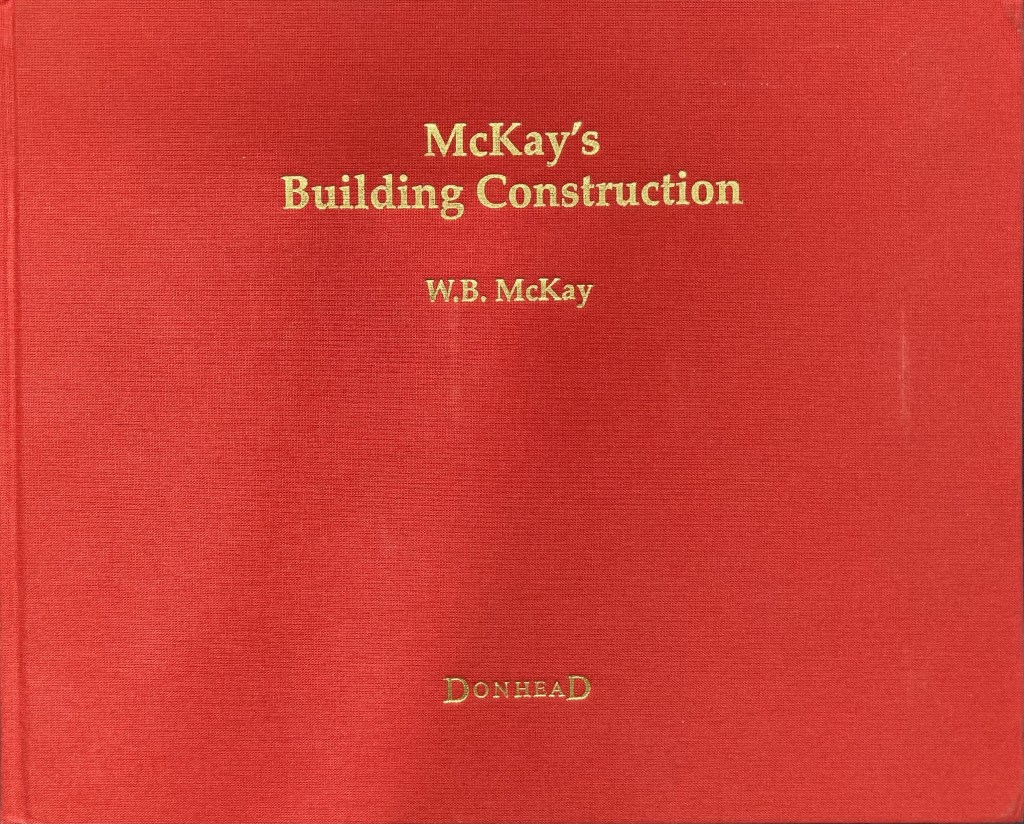
If you are in Great Britain, McKays is the closest equivalent, and is actually superior in a number of ways from our standpoint as set designers. On the Continent, an older copy of Neufert’s is a must. See this earlier post for details. Not available digitally.

___
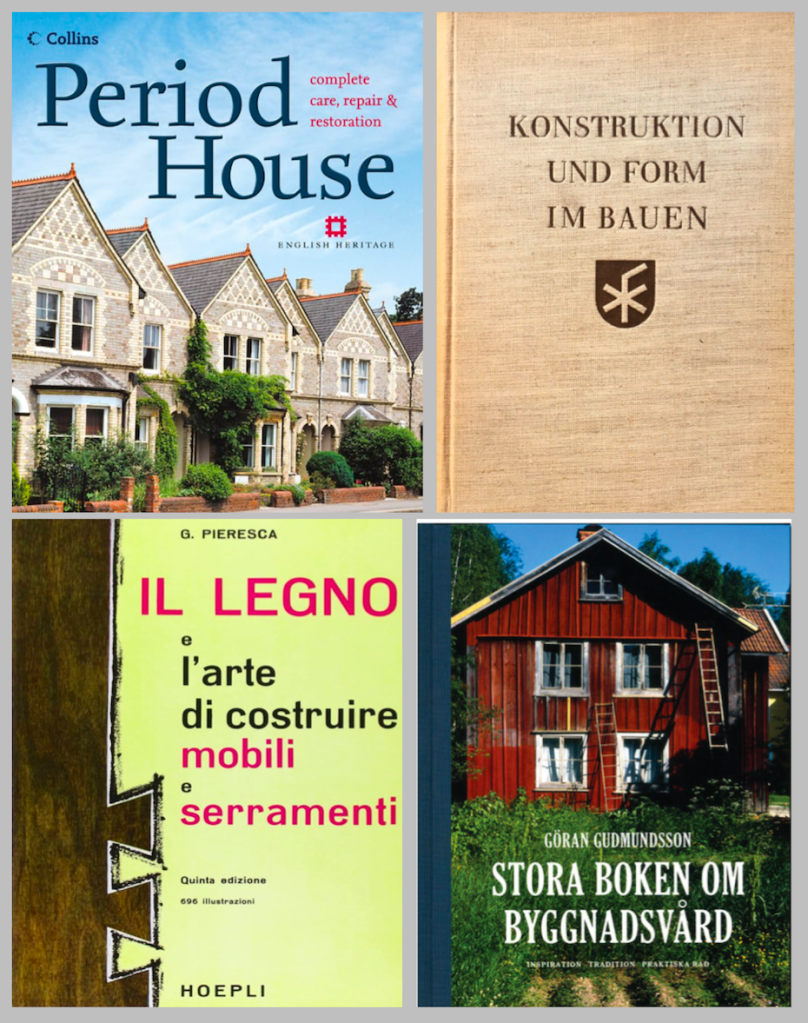
Another option in England is Period House, by Jackson & Day, which goes into extensive detail about common interior architectural elements for restorers. In Germany, the best book on period construction I’ve found is Konstruction Und Form Im Bauen, by Friedrich Hess. There are lots of very nice drawings and measured details. It’s long out of print but you can still find copies second-hand. In Sweden, an excellent book on traditional construction is Stora Boken Om Byggnadsvård, by Göran Gudmundsson. This is a current book and still in print. In Italy, a nice book on traditional construction techniques with detailed drawings is  Il Legno e L’arte Di Contruire Mobili e Serramenti. None are available digitally.

***********************************************************************

2. Time-Saver Standards for Interior Design and Space Planning, 2nd Edition.
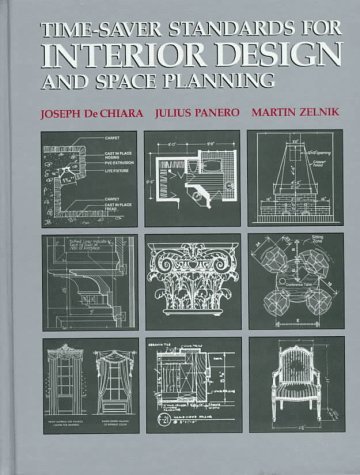
This is the interior design complement to Architectural Graphic Standards and covers nearly every situation regarding building interiors. You can find used copies for around $50. There is a digital version available but it’s not only difficult to navigate because of the size of the book but at the price you’d be better off getting a hardback edition.
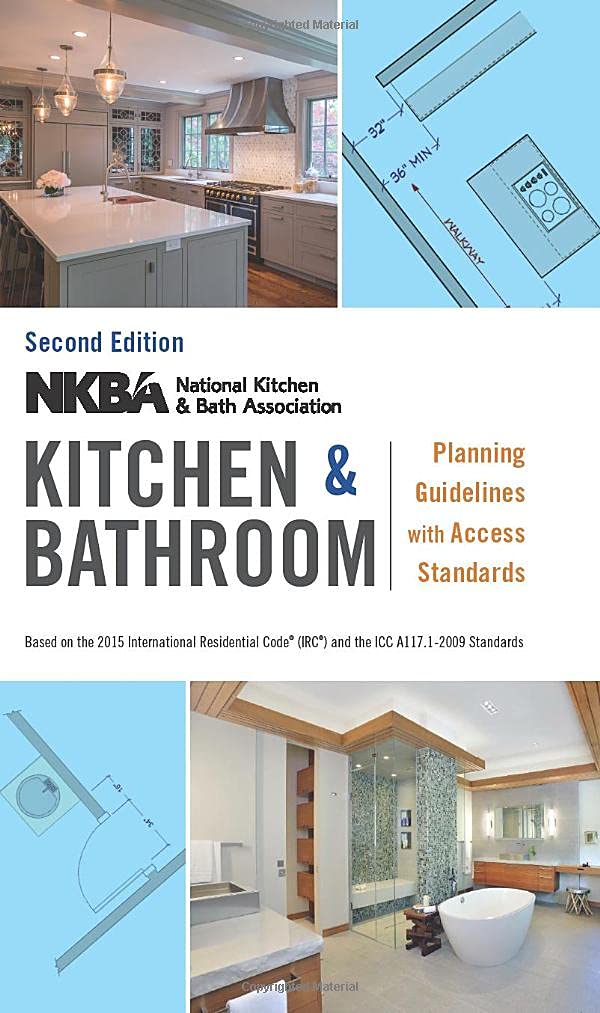
Another companion to this is a nice slim book that is for kitchen and bathroom standards in the U.S. The NKBA Kitchen & Bathroom Planning Guide was created to make common building codes and layouts available to designers in an easy to use format.

*********************************************************************

3. Styles Of Ornament – Alexander Speltz.  
Originally published in 1904, this book uses over 4000 drawings to illustrate 6000 years of historical design. As a general design reference I don’t think it has an equal. Architecture, furniture, text, carving, metalwork are all covered. A must-have. About $20 new.
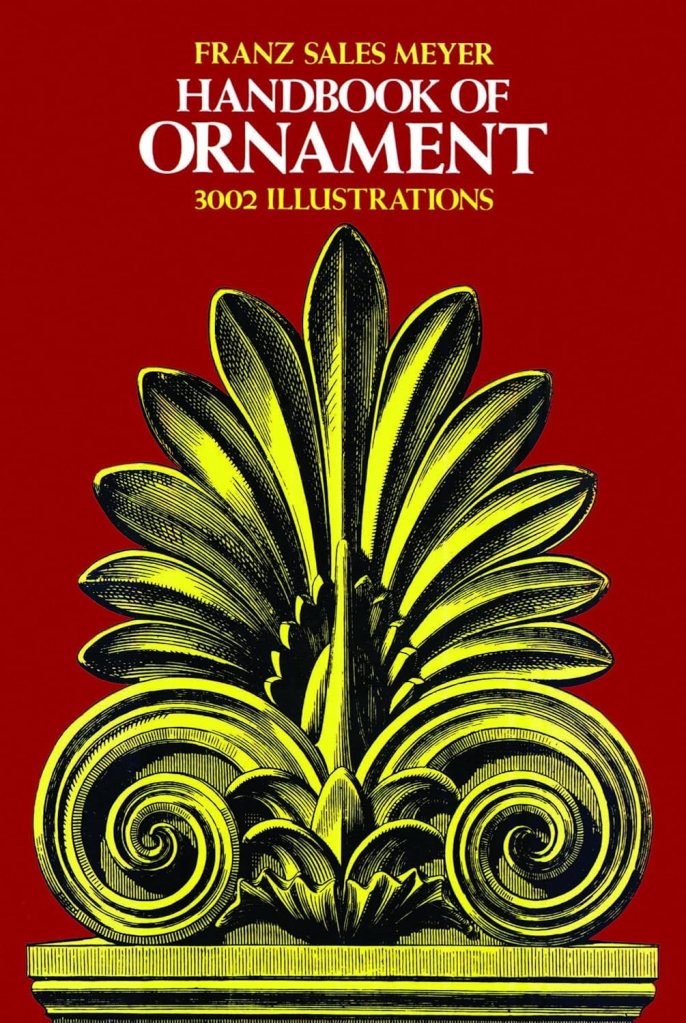
The Handbook Of Ornament by Franz Meyer would be a close second. Available from a number of publishers for as little as $10. A digital version is available.

Low Budget Option- download the online PDF here.

******************************************************************

4. The Stair Builder’s Handbook – T.W. Love –
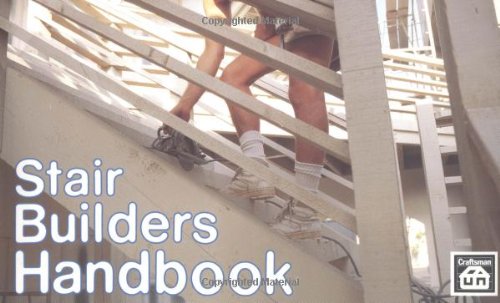
Not a design book, but a book of rise-and-run tables that make stair layout a breeze. Available from various sources for about $20.

Low Budget Option – download the PDF Common Sense Stairbuilding and Hand-railing. Skip the mind bending section on handrail layout and skip to page 99. Also, Stair building, which has a nice section on ornamental ironwork.

*******************************************************************

5. Backstage Handbook – Paul Carter.
Originally a technical manual for theatrical designers, the book is full of great information for film work as well. There are more details in this earlier post from several years ago. It is one of the most widely used books on stagecraft in the U.S. Available from Broadway Press for about $22. No digital version is available.

********************************************************************

6. Building Construction Illustrated – Francis Ching.
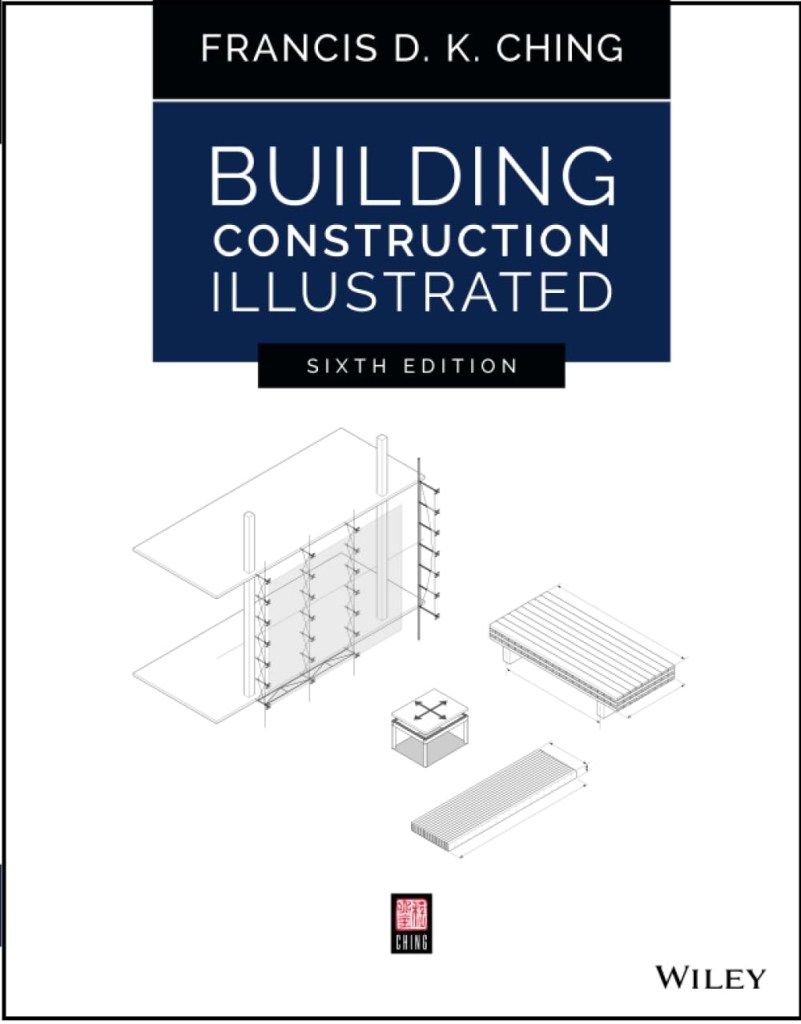
An excellent and thorough book about construction details including wood framing systems and masonry. About $46.

Low Budget Option – access the online PDF here of the 4th edition.

********************************************************************

7. The Classical Orders of Architecture – Robert Chitham
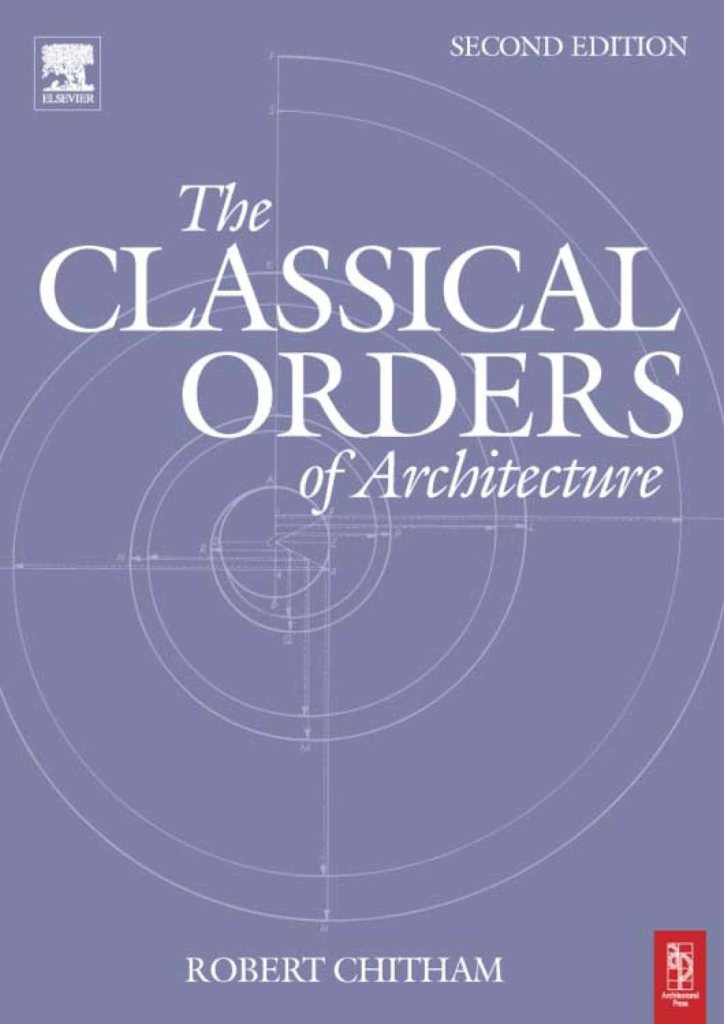
I think this is the best modern book around that deals with the classical architecture proportional system. This book was out of print for quite a while and fortunately is back in print. The new edition deals with the proportions for both metric and Imperial systems. Copies can be found for about $55.

Low Budget Option – Get the PDF of American Vignola by William Ware and The Five Orders by Vignola.

*********************************************************

8. Illustrated Dictionary of Historical Architecture – Cyril Harris
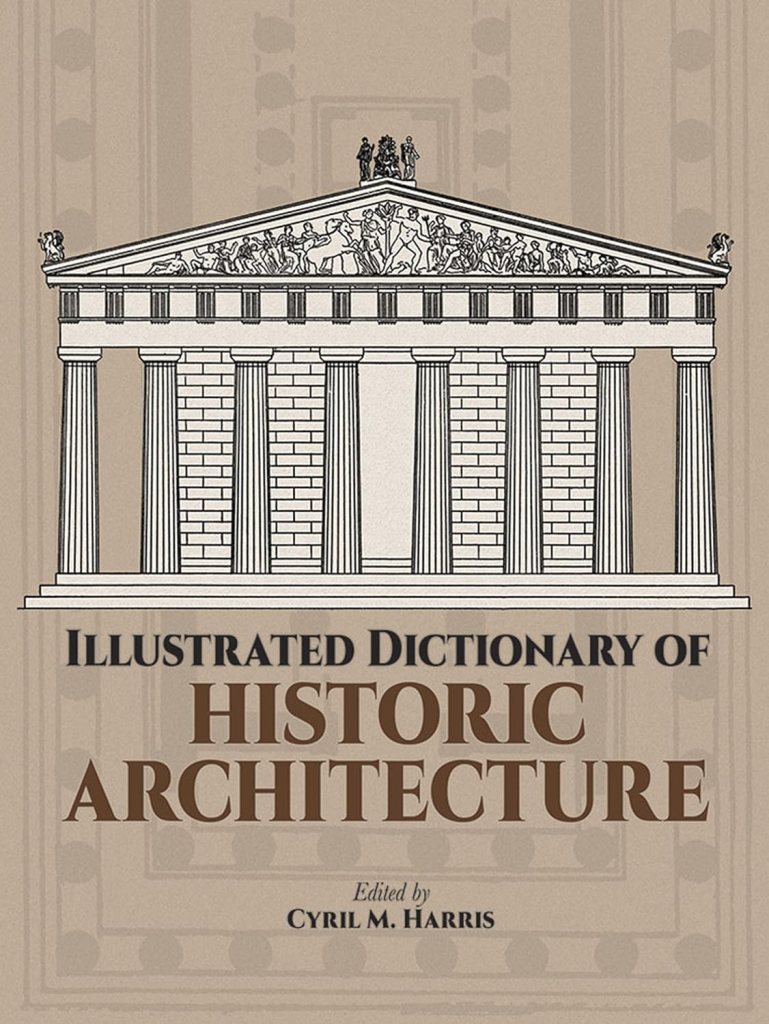
With over 5000 terms and 2000 line drawings, this book covers architectural history from the ancient period to 20th century Modernism. Along with the European styles, it covers Japanese, Chinese, Indian, Islamic and Mesoamerican styles. About $35 from various sources.
Another classic book in a similar vein is A History of Architecture On The Comparative Method, by Sir Banister Fletcher. This dense, fully-illustrated book covers the time periods from ancient times to the 20th century, focusing on Western culture. It was the most widely used general architecture reference book for decades.

Used copies are easy to find for around $20. A good scanned copy of the 1905 edition can be found in PDF form here for download. Avoid reprints. Most of them are badly scanned from originals and the fine details of the illustrations is lost. A 20th edition has been published in two volumes that comes in at over 1600 pages and includes new sections on cultural architecture from countries not fully represented in the original edition. This runs at around $250.

******************************************************************

9. Elements Of Style – Edited by Stephen Calloway
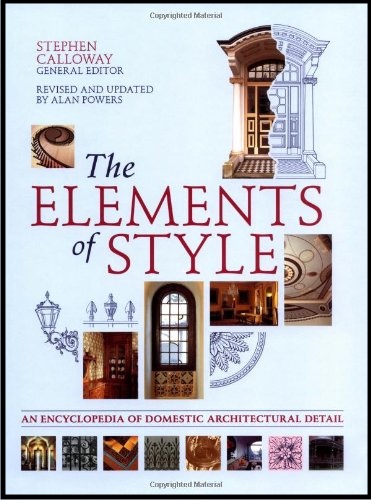
This has been a standard Art Department reference manual for quite some time. Subtitles as “a practical encyclopedia of interior architectural details”, the book covers the periods from 1485 to modern day. Each chapter covers a different time period and is separated into thirteen sections which each feature an interior element, making it easy to cross reference similar elements from other time periods. The book includes over 3000 drawings and 1300 photographs to accompany the written analysis. In hardcover for around $75. Used editions can be found for as little as $20.

******************************************************************

10. By Hand & Eye – George R. Walker & Jim Tolpin.
If you’re just starting out in set design this is one of the first books I’d tell you to buy. Bad proportions can ruin a design. This book will give you a solid understanding of proportion and keep you from making simple mistakes. You can download a sample chapter here. Also, I wrote a longer post on the book earlier. Walker and Tolpin are promising a workbook that will come out later this year based on the book’s concepts so look for that. Available from Lost Art Press for $51, hardbound. A PDF is available for $24.

*******************************************************************

11. Principles Of Design – William Varnum
This is a recent reprint of a book published in 1916 under the title Industrial Arts Design. The book lays out the basics of design, with step-by-step rules for designing not just furniture but pottery and metalwork as well, with sections on enriching a surface with detail or hardware. The rules translate easily to architectural forms and will seem like obvious, common-sense choices once you are exposed to them. This hardback edition is the second run of a limited printing. By Lost Art Press at their website. Hard cover edition is $41.

*****************************************************************

12. Human Dimension & Interior Space – Panero & Zelnik
This book explains the science of anthropometrics, which is the study of human body measurements on a comparative basis. Whether you are designing interior elements, furniture, or vehicles, this book will help you create those spaces with easy to read diagrams and charts that detail the huge disparity in shapes, sizes, and capabilities of the human form. The authors warn against designing for a ‘standard size’ human body which in fact, does not exist. New in hardcover at about $24. Digital versions are also available.

*****************************************************************

13. Field Guide To American Houses – Virginia Savage McAlester
Described as the “definitive guide to identifying and understanding American domestic architecture”, this book is considered an essential source for understanding the myriad of styles and elements that define American houses. With over 1000 drawings and photographs, the book separates the various styles into chronological categories and explains the details and accents that define each of them with clear, simple sketches. The second edition is about $24 in paperback.

****************************************************************

14. Illustrated Cabinetmaking – Bill Hylton
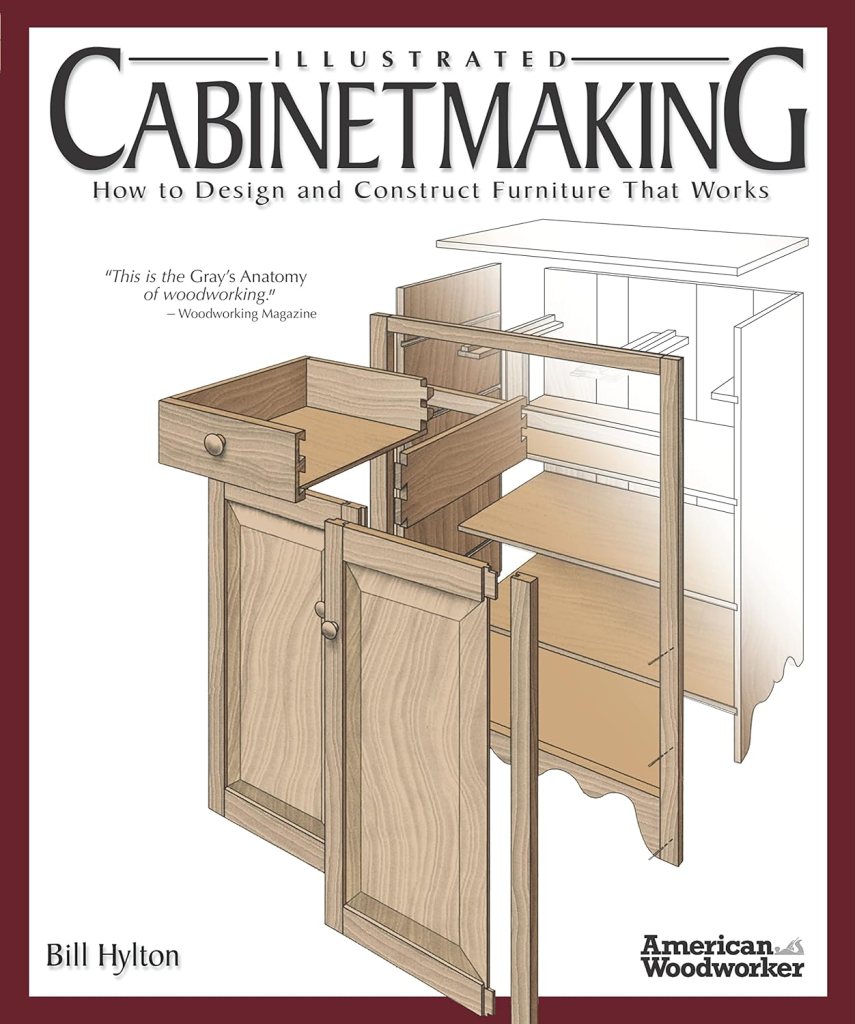
I covered this book in detail in an earlier post. One reviewer referred to this book as the Gray’s Anatomy of woodworking, and that’s a pretty accurate description. If you’re going to design furniture you need to understand how it’s built, and this book explains it with over 1300 color illustrations and exploded views of 90 different pieces of furniture from different time periods. There are sections on joinery, standard dimensions, and sources for construction drawings. Paperback editions are about $24. Digital editions are also available.

***************************************************************

15. The Encyclopedia Of Wood – Aidan Walker, Editor
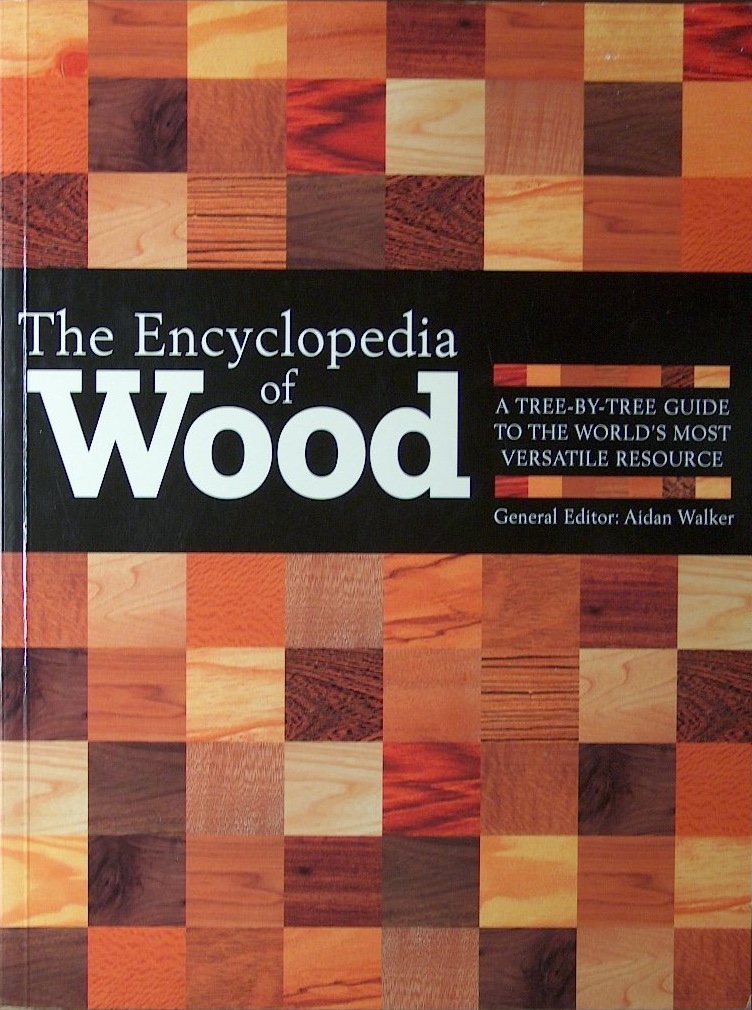
There are numerous books on tree identification but this one stands out to me because of the variety of wood that it covers and the large, clear color photographs of each of 150 species grain patterns and figure. There are also chapters on how wood is processed, what wood movement is, and how veneers and lumber are milled. In paperback for about $35.

***************************************************************

16. American Cinematographers Manual – American Society of Cinematographers
The new 11th edition will cost you about $120 in hardback and almost the same in it’s digital version through the iTunes and Android sites. Earlier used editions can be purchased for a third of the price of a new edition, but much of the latest technology isn’t in them. This is the go-to book for all things dealing with cameras and image capture. A lot of people will tell you you don’t need this. I’m sure you might also have a great career as a car designer without knowing anything about how cars work. Because when it comes down to it, all we’re really doing is designing big, pretty things to bounce light off of. Just remember, if the department names were based on physics we’d be the Light Reflector Design Department.

 *************************************************************

17. The VES Handbook Of Visual Effects – Okun & Zwerman, Editors
Published by the Visual Effects Society, this +1000 page book covers every type of visual effects shot you will encounter. From in-camera effects like miniatures and mechanical effects to green screen work, motion-tracking, LIDAR, tracking shots, LED wall stages, and everything in between. It’s the most complete book on visual effects that has been produced so far. Consider it to be a complementary reference to the American Cinematographers Manual. In paperback, the new third edition costs about $65.

***************************************************************

18. Chenier’s Practical Math Dictionary – Norman Chenier
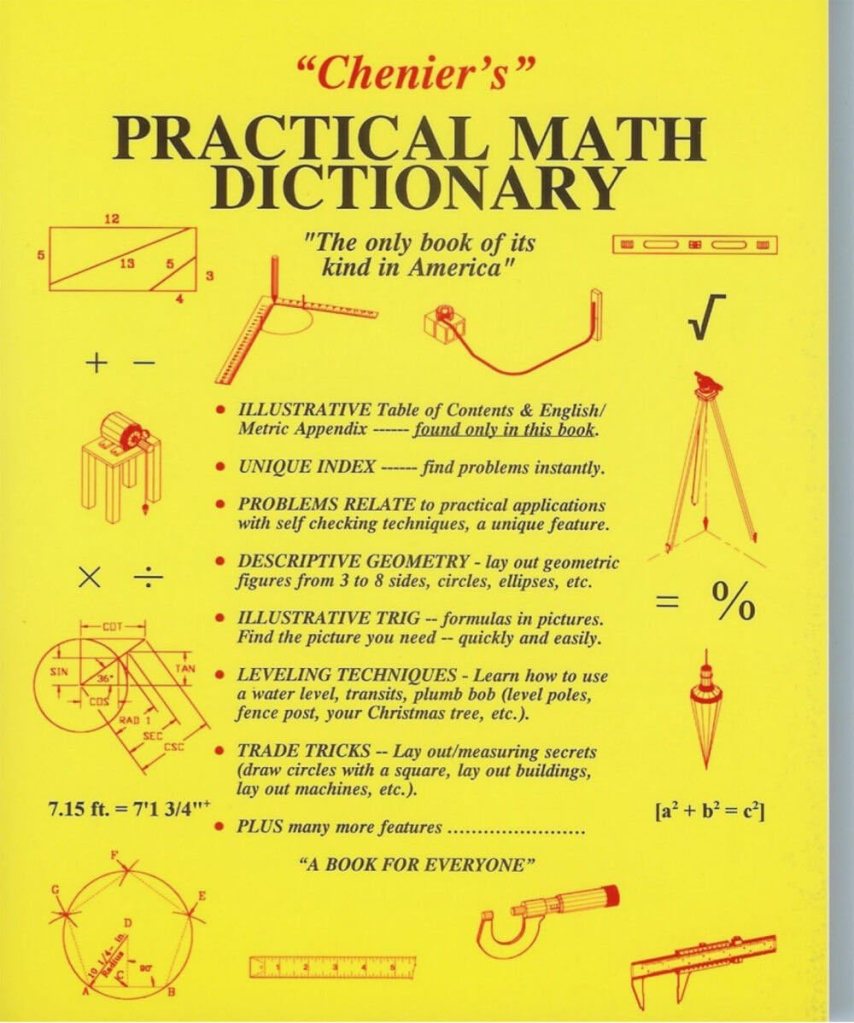
This book is an odd duck in many ways but it has been a real time saver on a lot of occasions. There are sections on descriptive geometry, survey and layout techniques, solutions to common math problems, and other information that you’ll struggle to find anywhere else. In paperback, the latest edition is $26.
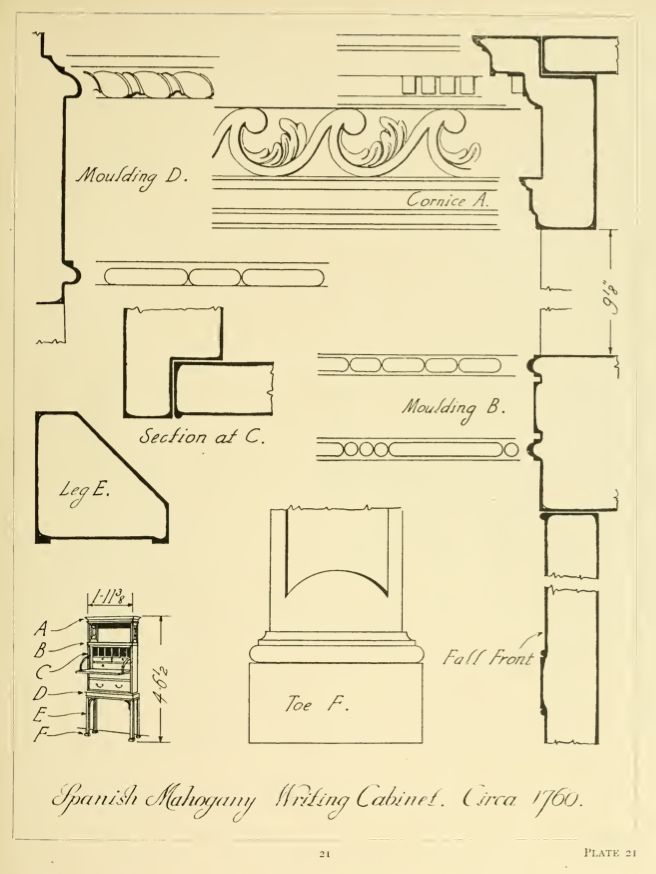
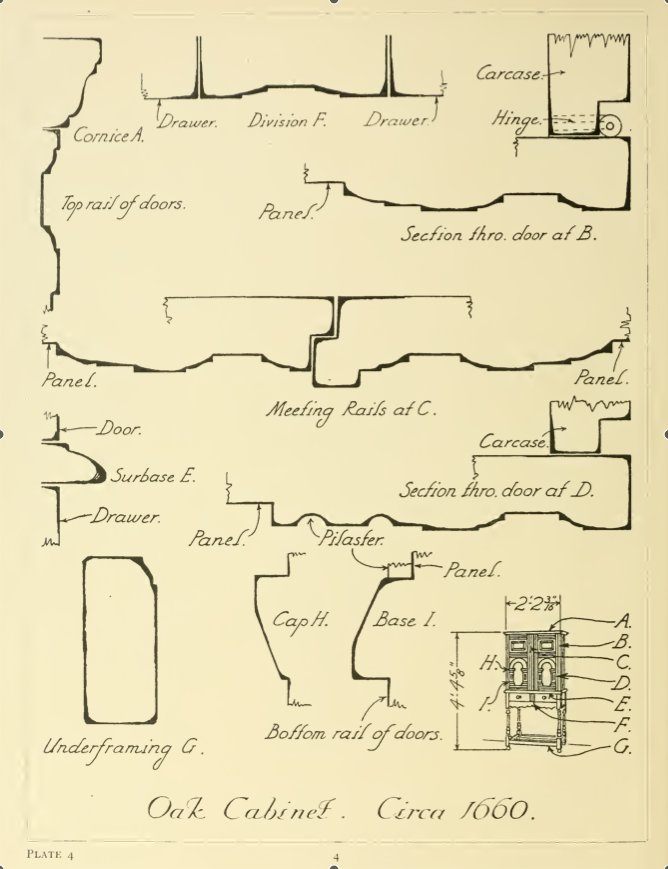
The Digital Bookshelf – Furniture Mouldings

“There is a tendency among those accustomed to the large-scale of moulding detail on exterior work in wood or stone to make their mouldings on furniture and interior woodwork too large. The full-size furniture moulding so carefully drawn by Mr. Warne should be of the utmost service not only to furniture designers but to students of architecture and interior decoration.”

plate 21_warne


plate 4_warne


“This book covers many different types of English furniture; bedsteads, bookcases, bureaus, cabinets, chests, cupboards, chairs and others. This book illustrates cover this book covers molding details on English furniture from about 1574 to 1820 molding is the method adopted by the cabinetmaker to give definition to the lines of his work and the sections of molded detail very very much as one style has succeeded another through the oak, walnut, mahogany and satinwood periods of English furniture the workings of moldings was then so laborious that the craftsman use them with greater restraint and obtained more pleasing effects by their use than is frequently the case today when profusion often eliminates interest.”

H. P. Shapland, 1923


E.j. Warne’s book, Furniture Mouldings, is still one of the best resources on 16th to 19th century British furniture. Almost never out of print, copies can be had for as little as $1.

Until you get a print copy, you can download a digital scan of the book below. Scanned from an ex library copy, there are a number of damaged pages but you can get a good idea of the scope of the book.

FurnitureMoulding_EJWarne_1923


– R.D. Wilkins


10 Design Reference Books You Should Have On Your Shelf


design book montage_1

I think I’ve already made it clear that you just can’t have too many books, especially ones on design and architecture. But it’s also a real pain dragging a lot of them around with you from job to job and it becomes a bigger job to keep track of them once they’re out of your house. So, I try to only take books to my current workplace that I either don’t have a digital version of or just really need to have close at hand.

If I had to limit myself to just 10 books, these would be the books I’d take to start a job.

Here is my must-have list with sources:

1. Architectural Graphic Standards – 5th Edition – This was when the books were filled with great hand drawings and actually showed you in detail how things were built. Lots of period details as well. Out of print for over 50 years (at least in this edition) you can still find copies for anywhere from $20 to $200. The 3rd edition would be a suitable replacement. the first edition is also good to have and has been reprinted several times. Check Abebooks for copies. Not available digitally.

If you are in Great Britain, McKays is the closest equivalent, and is actually superior in a number of ways from our standpoint as set designers. On the Continent, an older copy of Neufert’s is a must. See this earlier post for details. Not available digitally.

In Germany, the best book on period construction I’ve found is Konstruction Und Form Im Bauen, by Friedrich Hess. There are lots of very nice drawings and measured details. Long out of print but you can still find copies second-hand. In Sweden, an excellent book on traditional construction is Stora Boken Om Byggnadsvård, by Göran Gudmundsson. This is a current book and still in print. Neither are available digitally.

2. Time-Saver Standards for Interior Design and Space Planning, 2nd Edition. This is the design complement to Architectural Graphic Standards and covers nearly every situation regarding building interiors. You can find used copies for around $75. There is a digital version available but it’s not only difficult to navigate because of the size of the book but at the price you’d be better off getting a hardback edition.

3. Styles Of Ornament – Alexander Speltz.  Originally published in 1904, this book uses over 4000 drawings to illustrate 6000 years of historical design. As a general design reference I don’t think it has an equal. Architecture, furniture, text, carving, metalwork are all covered. A must-have. (Handbook Of Ornament by Franz Meyer would be a close second.) Available from a number of publishers for as little as $10. A digital version is available.

Low Budget Option- download the online PDF here.

4. The Stair Builder’s Handbook – T.W. Love – Not a design book per se, but a book of rise and run tables that make stair layout a breeze. Available from Contractor Resource for about $18.

Low Budget Option – download the PDF Common Sense Stairbuilding and Hand-railing. Skip the mind bending section on handrail layout and skip to page 99. Also, Stair building, which has a nice section on ornamental ironwork.

Also, In April a new book will be out called  Simply Stairs – The Definitive Handbook for Stair Builders, by Mark Milner, published by Whittles Publishing in London for £25. Pre-release information on the book makes it look very promising.

5. Backstage Handbook – Paul Carter. Originally a technical manual for theatrical designers, the book is full of great information for film work as well. There are more details in this earlier post from several years ago. Available from Broadway Press for about $22. No digital version is available.

6. American Cinematographers Manual – The new 10th edition will cost you about $80 in hardback and almost the same in it’s digital version through the iTunes and Android sites. There’s a free pdf of the 7th edition here, but much of the latest technology isn’t in it. This is the go-to book for all things dealing with cameras and image capture. A lot of people will tell you you don’t need this. I’m sure you could also have a great career as a car designer without knowing anything about how cars work. Because when it comes down to it, all we’re really doing is designing big, pretty things to bounce light off of. Just remember, if the department names were based on physics we’d be the Light Reflector Design Department.

7. Building Construction Illustrated – Francis Ching. An excellent and thorough book about construction details including wood framing systems as well as masonry. About $30. No digital version is available.

Low Budget Option – access the online PDF here.

8. The Classical Orders of Architecture – Robert Chitham. I think this is the best modern book around that deals with the classical architecture proportional system. This book was out of print for quite a while and fortunately is back in print. The new edition deals with the proportions for both metric and Imperial systems. Used copies can be found for about $45.

Low Budget Option – Get the PDF American Vignola by William Ware and The Five Orders by Vignola. Also, download the very nice PDFs on classical architecture from the The Institute of Classical Architecture & Art.

9. Illustrated Cabinetmaking – Bill Hylton. I covered this book in an earlier post. If you want or need to know basic furniture design and how furniture goes together this is the book you’ll want to refer to. It’s been referred to as the Grey’s Anatomy of furniture building. Full of exploded drawings of many kinds of pieces. Available from Fox Chapel Publishing for $24.95.

10. By Hand & Eye – George R. Walker & Jim Tolpin. Just because this is number 10 on the list doesn’t mean it’s the least important. In fact if you’re just starting out in set design this is the first one I’d tell you to buy. Most bad designs are caused by bad proportions. This book will give you a solid understanding of proportion and keep you from making simple mistakes. You can download a sample chapter here. Also, I wrote a longer post on the book earlier. Walker and Tolpin are promising a workbook that will come out later this year based on the book’s concepts so look for that. Available from Lost Art Press for $38, hardbound.

Low Budget Option – Cut back on the Starbucks for a couple days and buy a digital version for $18. The mental stimulation might be just as good as the caffeine and it’ll be a lot healthier too.

So what have I missed? There are other books I could list these are the best. What’s on your shelf? What books would you say are ‘Must Haves’?

Share your titles with the rest of us. Let me know the important titles I’ve missed here, I’m sure there are a lot. As an incentive, everyone who posts book suggestions goes into a drawing at the end of the week for a free digital version of By Hand & Eye.

C’mon, give us your list.


Atmospheric Theaters – When The Theater Was Part Of The Show

Loews-Valencia-Jamaica-Queens-Movie-Theater-Untapped-Cities-After-the-Final-Curtain-005

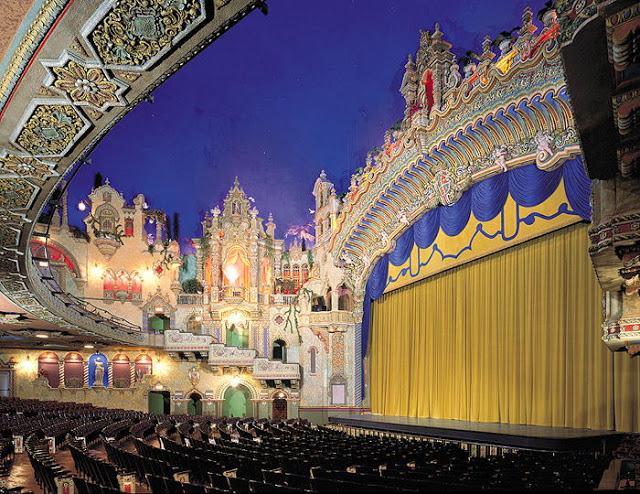
In the United States the period of the ornate Movie Palaces lasted from around 1915 to the 1940’s. In that short period thousands of ornate theaters were built all over the country. Of the several genres of architecture that were created during that period, the Atmospheric theaters came the closest to blending the new media of film with theaters’ stage drama roots.

Architect and Designer John Eberson

Architect and Designer John Eberson

The Atmospheric movement was created by John Eberson, a stage designer and architect who immigrated from Europe. Having studied electrical engineering in Dresden, he took an apprenticeship with a theatrical designer in St. Louis and worked as a set designer and scenic painter. His first theater design was for a ‘picture house’ in Hamilton, Ohio. By 1926 he had perfected his ‘atmospheric’ concept with the creation of the Majestic Theater in Houston, Texas. Earning the nickname “Opera House John”, he would design over 500 atmospheric movie palaces by the end of his career.


Majestic Theater- Houston, Texas, built 1926

Majestic Theater- Houston, Texas, built 1926

For the average American, spending an evening in one of these theaters was as close to a trip to Europe as they could ever hope to have. Usually designed with European themes, Eberson’s designs featured large coved ceilings that gave the illusion of sitting outside in a courtyard with facades on either side. The ceilings were painted sky blue and a projector called a Brenograph was used to project moving clouds and stars on the deeply coved ceilings.

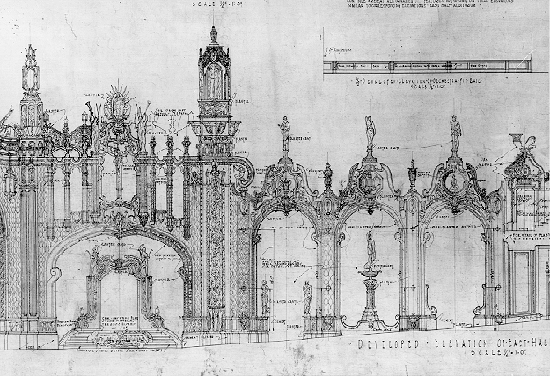
Eberson's drawing for a facade for the Paradise Theater in Chicago

Eberson’s drawing for a facade for the Paradise Theater in Chicago

Most of the facades detail and ornament were executed in traditional staff of plaster and hemp fiber, painted and gilded.

Saenger Theater, New Orleans

Saenger Theater, New Orleans

As with most popular trends, the atmospheric theme was quickly picked up by others and expanded throughout the country where the palaces were built even in small rural towns. One such theater is the Holland Theater in Bellefontaine, Ohio, built in 1931. The theater is the only known theater with a 17th century Dutch motif and features a twinkling star ceiling and turning windmills. Turned into a 5 screen multiplex in the 1980’s the theater was hut down in 1998. In 2009 the theater was reopened as a live theater venue and the interior is slowly being restored back to it’s original look.

Recent photo of the interior of the Holland Theater with it's painted sky, starlight and turning windmill blades

Recent photo of the interior of the Holland Theater with it’s painted sky, starlight and turning windmill blades


‘Hand-Hewn’ vs. Machine Made: Comparing Historic Tool Finishes To Modern Methods – Part 1

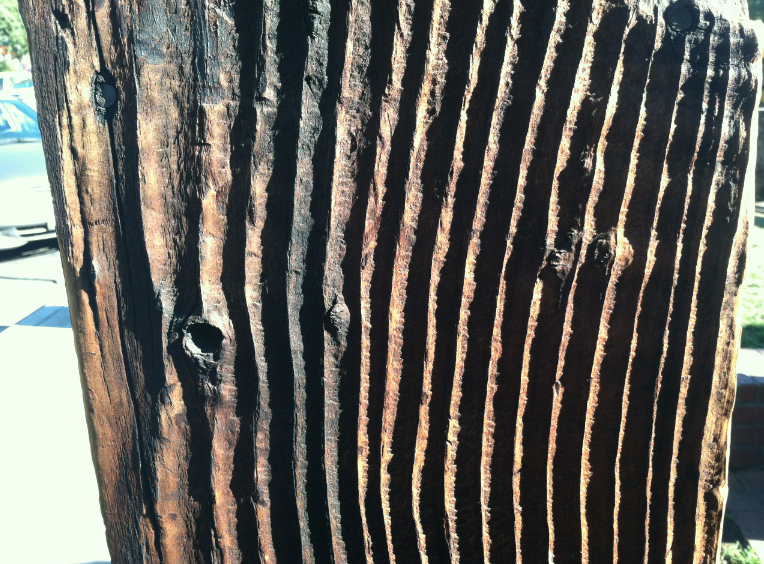
Creating period wood finishes for film and television scenery always involves a certain amount of subjective and creative interpretation. Usually the wood surfaces are finished to a level having more to do with the time period’s distance from modern times more than how old the set would look in relation to the time of the story. So usually anything set in ancient Roman times looks like it’s been through several hundred sandstorms, attacked with a grinder and sand blasted until the early growth rings are worn away from the late growth rings. There were certainly buildings that were very old at that time but there were plenty that looked much newer than the photo below.

weathered wood showing sunken early growth rings

weathered wood showing sunken early growth rings

I was working on a period film several years ago and I noticed that one of the other designers had called out the wood surfaces of their set to be finished as ‘hand-hewn’. I knew the surfaces would have actually been surfaced to a finer finish than a rough hewn beam and I asked why it needed to be so rough. They answered that being pre-machine age, other than furniture which would have required lots of sandpaper, they wouldn’t have had the ability to give the wood a smooth finish. I said that not only was that not true,  in many ways hand tools gave a superior finish to the tools of the machine age, and they had something better than sandpaper.  They laughed until they realized I wasn’t kidding.

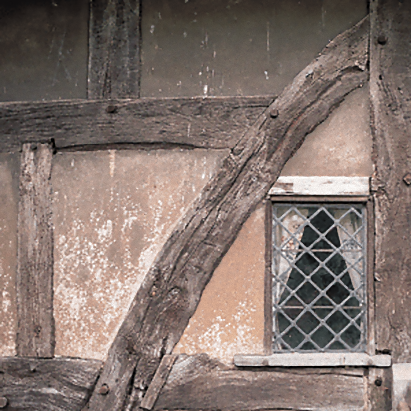
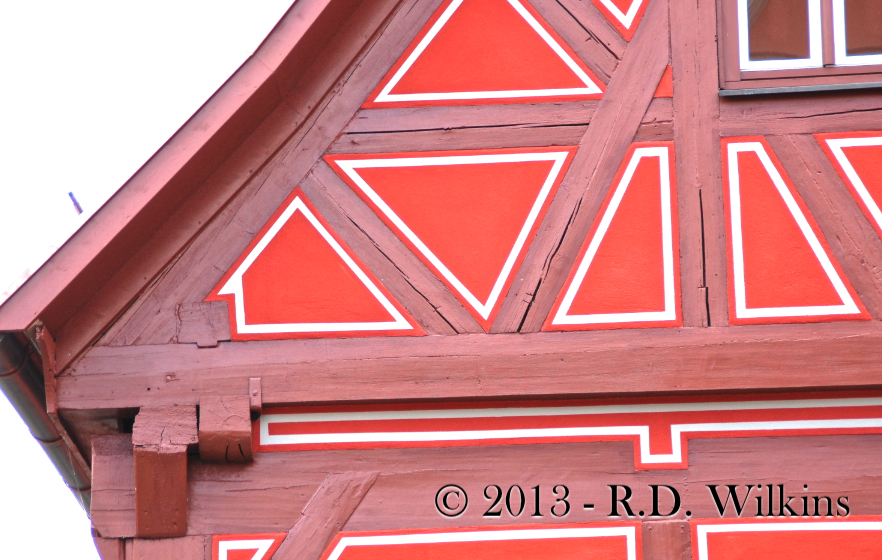
Let’s take timber framing. When most people think of a timber frame building they tend to think of the wood looking like this:

fachwerk3

16th century German timber frame or Fachwerk house.

The wood didn’t look anything like this when it was built. The faces of the wood probably looked more like this (minus the checking or cracks):

restored German Fachwerk building from the mid 1600's.

restored German Fachwerk building from the mid 1600’s.


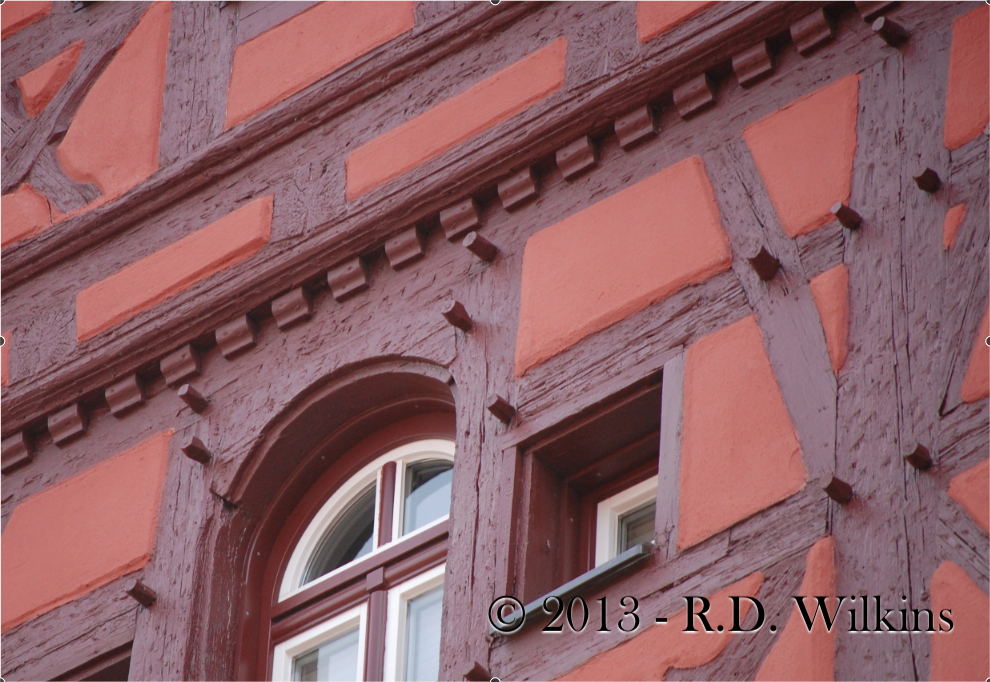
Partly because of this trend toward artistic license, and not understanding period construction which leads to misinterpreting the photographic research available (such as the photo below), wood buildings get designed and built with anachronistic finishes.


fachwerk2

The timbers of this fachwerk building were originally as smooth as those in the previous example. Many years later the faces were scored to act as a grip for the
plaster stucco-like finish that was applied at one time to ‘modernize’ it, much like some old interior brick walls were scored to accept plaster.


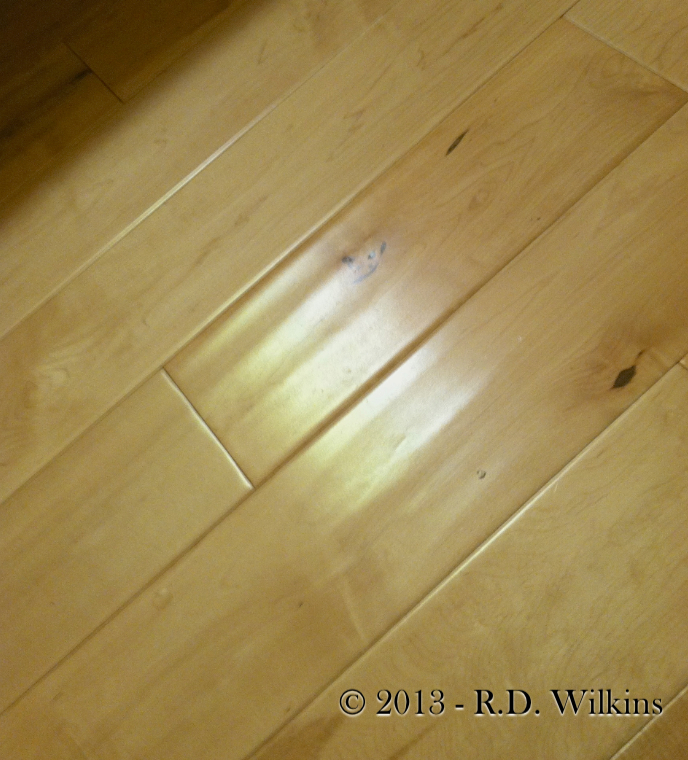
Even the building industry can take some of the blame. Here’s a photo of a popular flooring with a simulated jack plane finish. The plane had a curved blade that was used to quickly take a plank down before being planed smooth to its final thickness. A board with tool marks like this would not likely have been used in a decent dwelling.

fake jack plane tool marks


Today it’s hard to imagine doing all the work involved in processing wood from logs to a finished form without power machinery. How could a hand tool created a finish smoother than a modern tool, much less sandpaper? first of all, the way the tools work today is much different than the way period tools work. And, because it was  a much more labor-intensive process, they didn’t finish surfaces that wouldn’t be seen.

Let’s start with the big stuff. The process of taking logs from a tree to a piece of framing timber in the European tradition in the 16th and 17th centuries involved a number of types of hatchets.

Here’s a video by Christopher Schwarz on the use of hewing axes by Plimoth Plantation’s master joiner, Peter Follansbee:


By the 18th century the process involved not only the hewing axes and saws but an adze to square the sides followed by a broadax to smooth the sides, and possibly a drawknife to remove the axe and adze marks.

Here is a great little video by Ken Koons explaining the process:


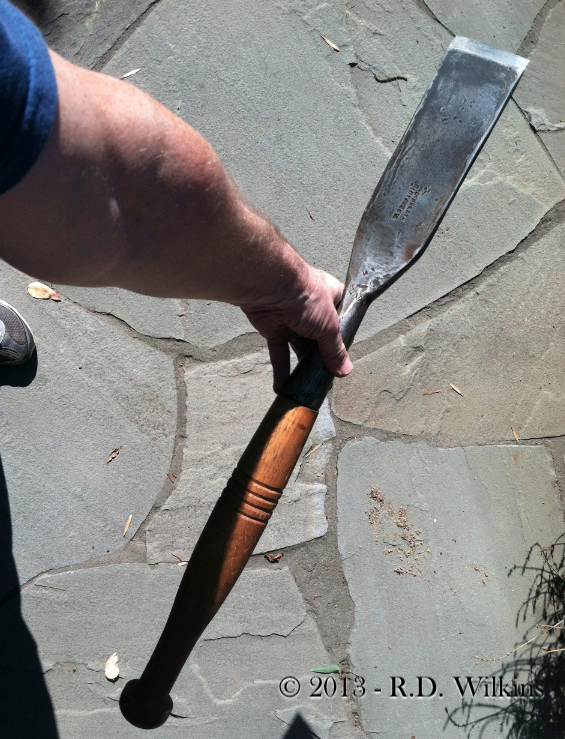
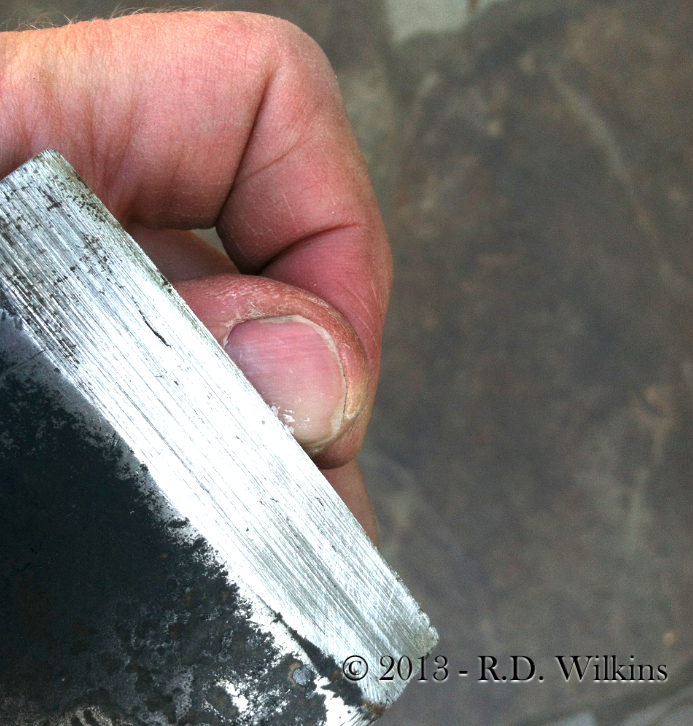
Once the mortises and tenons were cut they were cleaned up and smoothed using chisels and slicks, which were basically large chisels meant to be pushed by hand rather than hit with a mallet. The photo below is of the largest slick in my collection. Made in the late 1860’s in Ohio, it has a 3 inch wide blade. This big blade is certainly closer to a chisel than an axe as you can see from the closeup of the blade as it shaves off a sliver of my thumbnail. The blade will leave a very smooth surface.


A three inch wide framing slick from the mid 1800's

A three inch wide framing slick from the mid 1800’s

framing slick2


Here is a short video by John Neeman of a framing slick in use, you can see how quickly and cleanly it cuts a tenon.


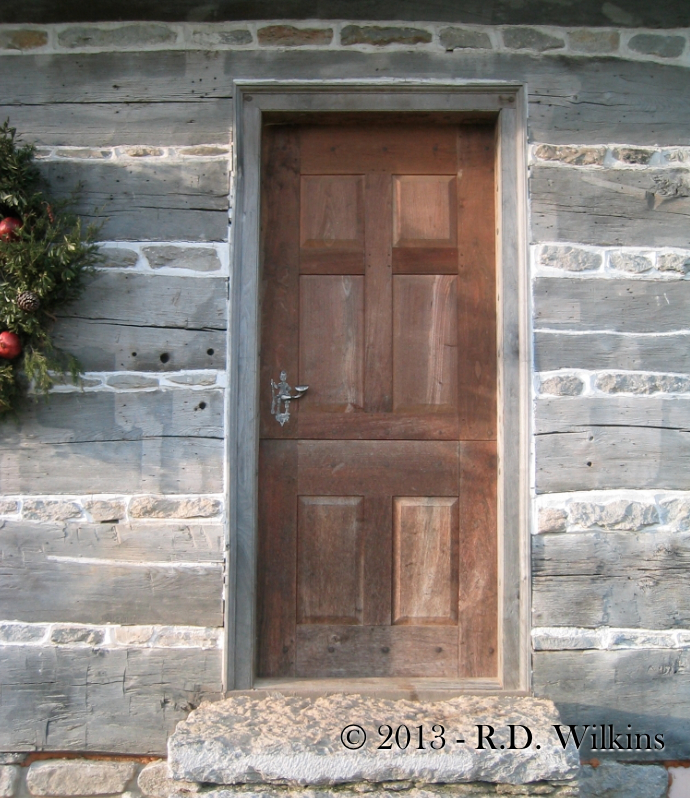
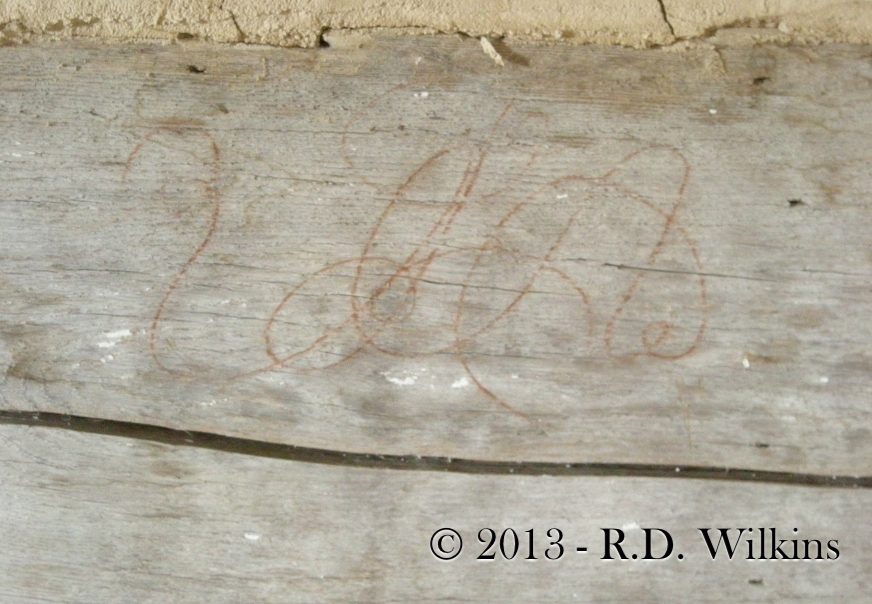
Cut timber surfaces were as smooth as their maker wanted, or needed them to be. Here are two photos of the Daniel Trabue cabin near Lexington, KY. The cabin was restored some years ago and returned to it’s 1797 appearance. The clapboard which had been applied later had protected most of the logs from decay. Notice the tool marks on the exterior logs. Now look at the second picture of an interior wall on the second floor. Here the German maker has signed his name with an 18th century cipher. Notice how clear the signature is. It was made with a traditional crayon made of beeswax and powdered vermillion used for marking out work while building. The crayon was found during the restoration, tucked above the front door lintel. The clarity is only possible because the wood surface is so smooth.

front door of the Daniel Trabue cabin

front door of the Daniel Trabue cabin

18th century cipher of the cabin's builder

18th century cipher of the cabin’s builder


Next week, in Part 2 of this post I’ll talk about and show you how traditional hand tools can actually create a finish that’s superior to their modern day counterparts and why our ancestors didn’t use, or need sandpaper to surface wood. Also, you’ll learn why every recreation of Noah’s Ark you’ve ever seen is dead wrong.

A “Sweet” and Cheap Architectural Detail Resource

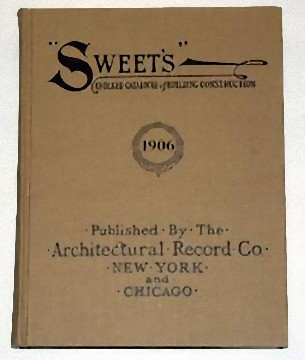
Yes, I thought it was time for a bad pun. The “sweet” resource I’m talking about is the Sweet’s Indexed Catalogue of Building Construction. Not the modern version, mind you, but the earlier volumes. In particular I’m talking about the first one ever printed, in 1906.

Reprint copy of the first edition of Sweet’s

I found my copy in a used bookstore about 25 years ago, back when 3rd Street in Santa Monica was still a sleepy street lined with great used bookstores instead of chain outlets. It was a 1970’s reprint of the original, in great condition. But the most striking thing about it was how different it was from it’s modern relatives. This book was printed for people who actually drew details, and both wanted and needed to know how things were built.

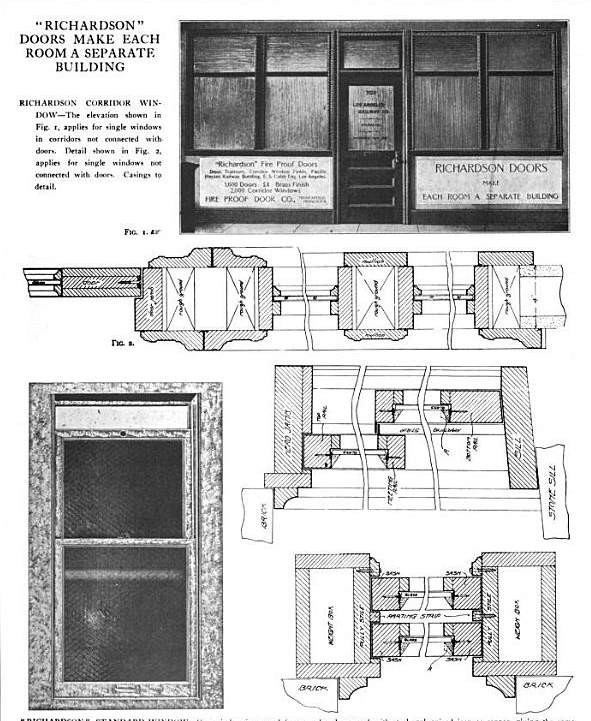
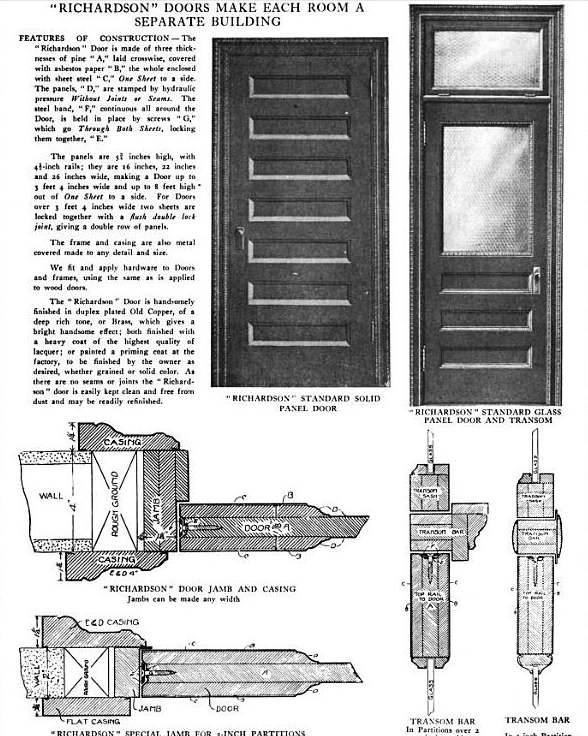
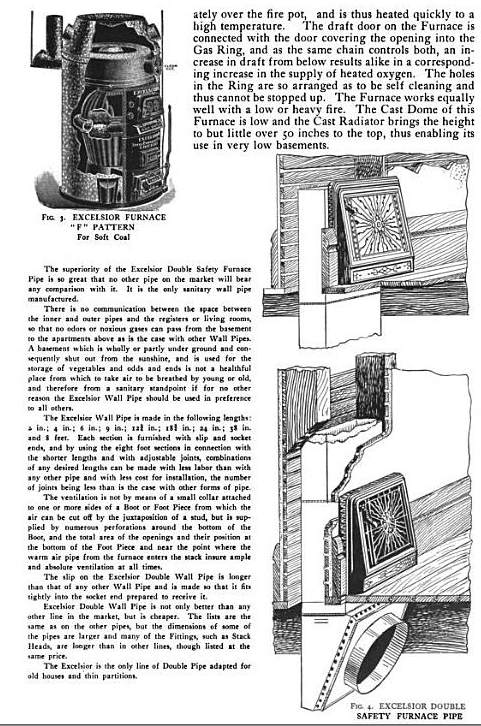
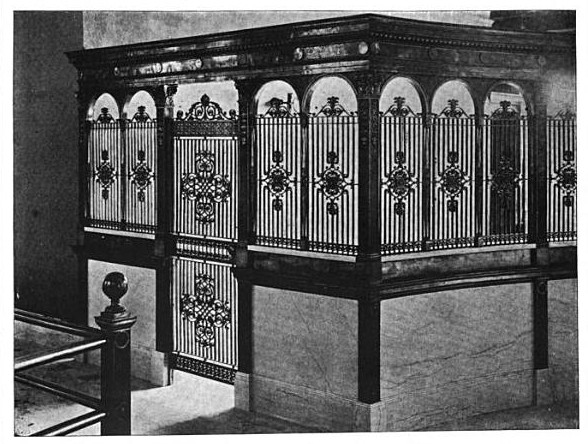
Most of the products pictured throughout the book had either detailed drawings or photographs of the items, with dimensions and cutaways showing how they operated and how they were integrated into the architecture of the building. This was a far cry from the ‘updated’ version, void of details, which was meant only to be a means of calling out the correct ‘part number’ on a drawing rather than giving the architect a full understanding of the specifics.

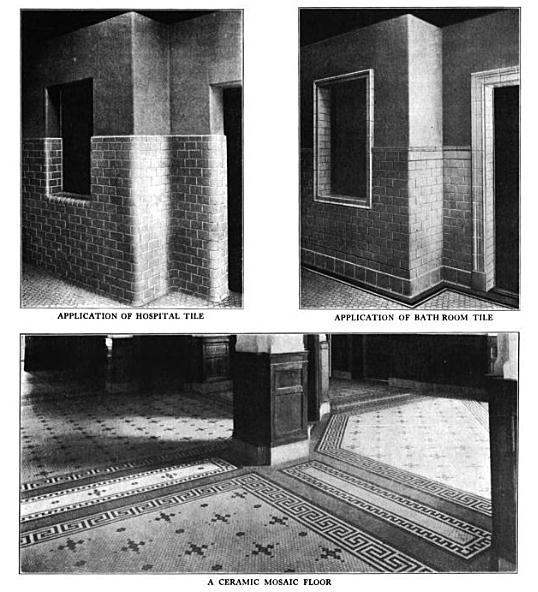
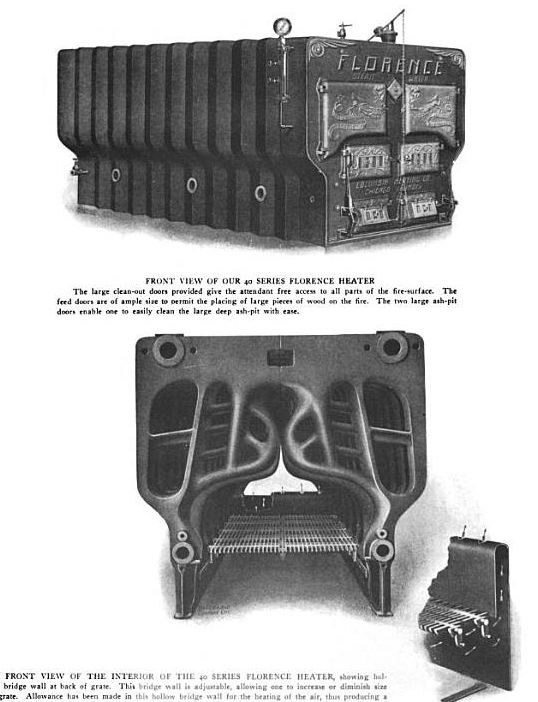
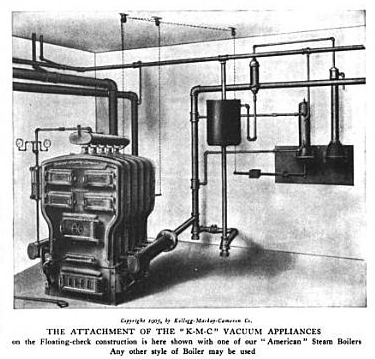
The original volume, if you can find a copy, has a green cover. The reprints will have a tan cover. The most useful ones for our work run from 1906 to the 1930’s. They aren’t easy to find but Google has solved that problem. Among the millions of books they have digitized for their ebook site are the 1906 and 1907 editions of Sweet’s. The digital editions aren’t as crisp as a printed copy, but the details you’ll glean from them are priceless. You can download it as a pdf and have it on your computer whenever you want to refer to it. Here is some of what you’ll find:

A sample of a typical advert featuring both photos and detailed sections

details of furnace and ducting showing how the duct and registers are attached to the wall framing

One of hundreds of photos showing details such as trim, ironwork and tile.

Detail of large furnace for an office or apartment building

An early central vacuum system

And here’s proof that people had MUCH bigger heads 100 years ago

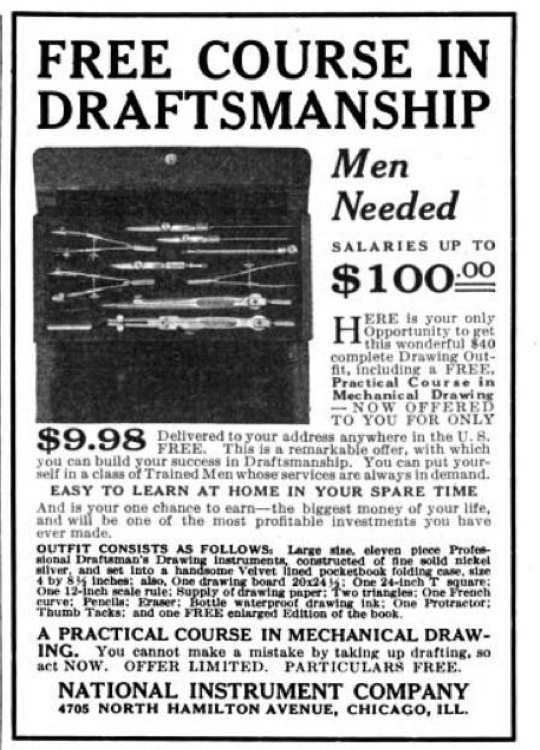
Another good source in Google Books is a magazine from about the same time period called The American Builder which has some good articles with details. This ad for a drafting course is great. Considering an average draftsman would have made about 35 to 40 cents an hour at that time, $100 a week would have been top dollar.

Graphic Standards From Across The Pond

Here in the US, the book we primarily turn to for all questions of an architectural nature is the AIA Architectural Graphic Standards. For our work, the third and fifth editions are the most informative because they were printed at a time when architects had to draw everything rather than order most elements pre-made. If you happen to be drawing up European architecture, though, it won’t do you much good.

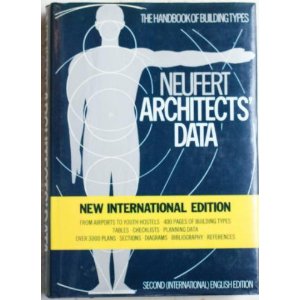
In the rest of the world, the architectural book most people turn to for similar answers is Neufert’s Architectural Data. Soon to be released in it’s 40th edition, the book is printed in 18 languages and is the architectural Bible in the metric world.

Ernst Neufert

Ernst Neufert worked at the Bauhaus as chief architect under Walter Gropius and later taught at the Bauhochschule until the Nazis closed it down in the early 1930’s. Seeing the need for a book that graphically laid out the architectural standards of the time, the book was first printed in 1936 and soon became a big success. Like Graphic Standards, the book is mainly a visual reference of architectural design and space standards for the European continent.

The book has had a number of English language editions, but the 1998 International is the most useful and easiest to use for the metrically-challenged. A large number of each edition are printed so it should be fairly easy to find used copies. You may have better luck throught British booksellers than second-hand businesses here.

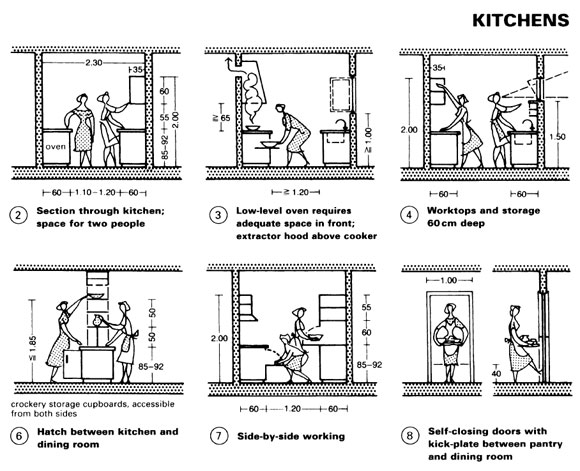
kitchen standards from an earlier edition

In Britain, The book many people refer to is McKay’s Building Construction. Originally published in three volumes over an eight year period, the recent re-publication has combined them into one book. The books are so popular in England that when they briefly went out of print, students were encourage to beg, borrow or steal to get a set.

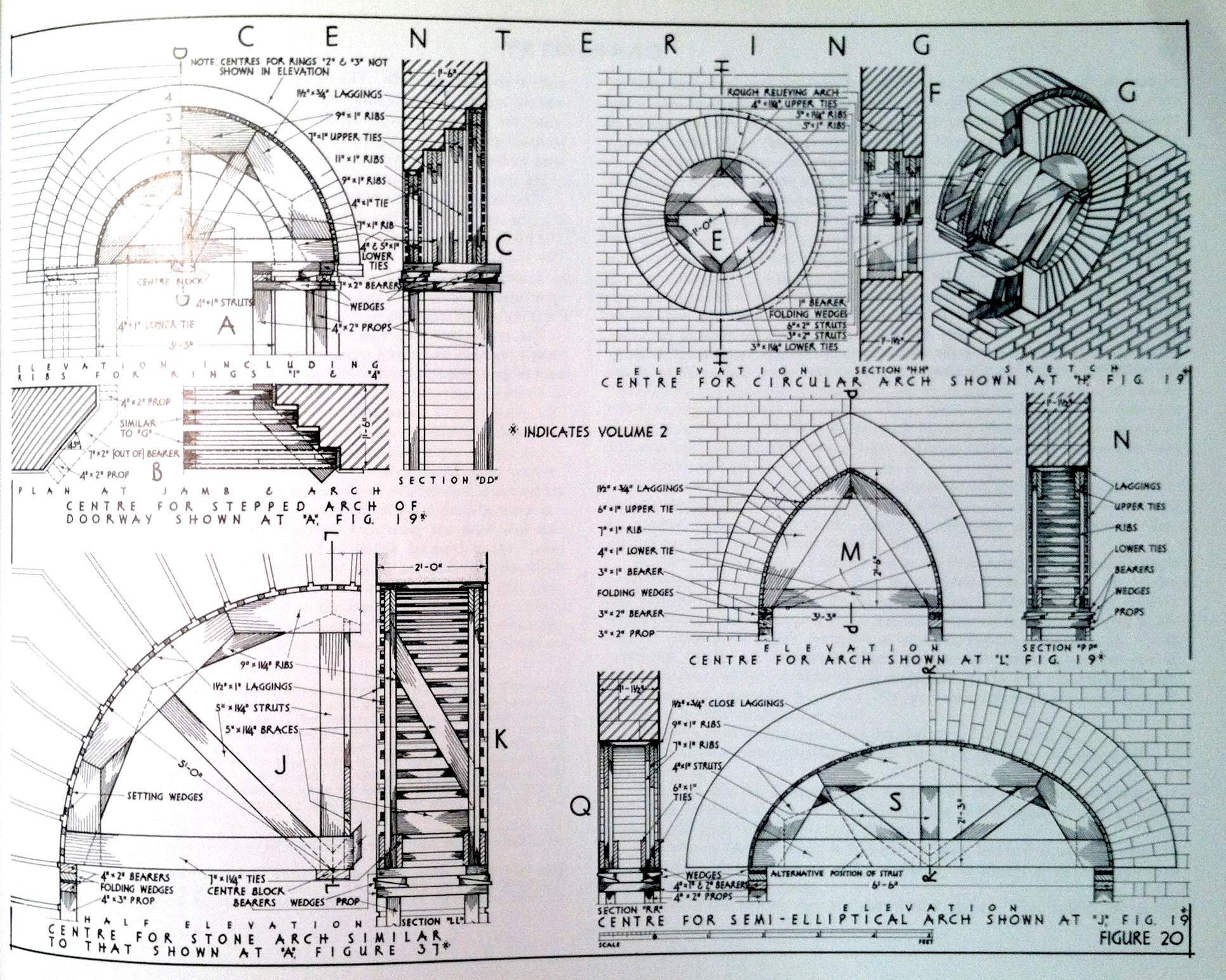
page on hand-cut stonework

Written by W.B. McKay, who was Head of the Building Department at both Leeds and Manchester colleges, the book is particularly useful for our business as it shows and describes exactly how the various methods of construction (wood and masonry ) are carried out. Filled with hundreds of beautiful perspective drawings by McKay, the book takes up where Graphic Standards ends.

Like Neufert’s, this can be had in used editions, the most recent from 2004. I found my copy in a bookstore in New Delhi, India, so you may have to search around. This is definitely a book that is worth the search.

If you’re in a hurry, you can order it here.

methods of forming masonry openings