Tools For Identifying & Specifying Wood

It can be tricky to identify or specify a particular wood if you’re not very knowledgable about working with it. There are hundreds of different species available and even though a small number of those are in common usage in the construction trade, narrowing it down to the ideal look you want can be frustrating.

For many years a Production Designer was able to just hand a Scenic Painter a photograph and the artist would “grain” the surface to match any kind of wood they wanted. With the loss of painters who are trained in “graining”, it has become more common to find a laminated material which matches their choice or to use actual wood veneer that matches the reference.

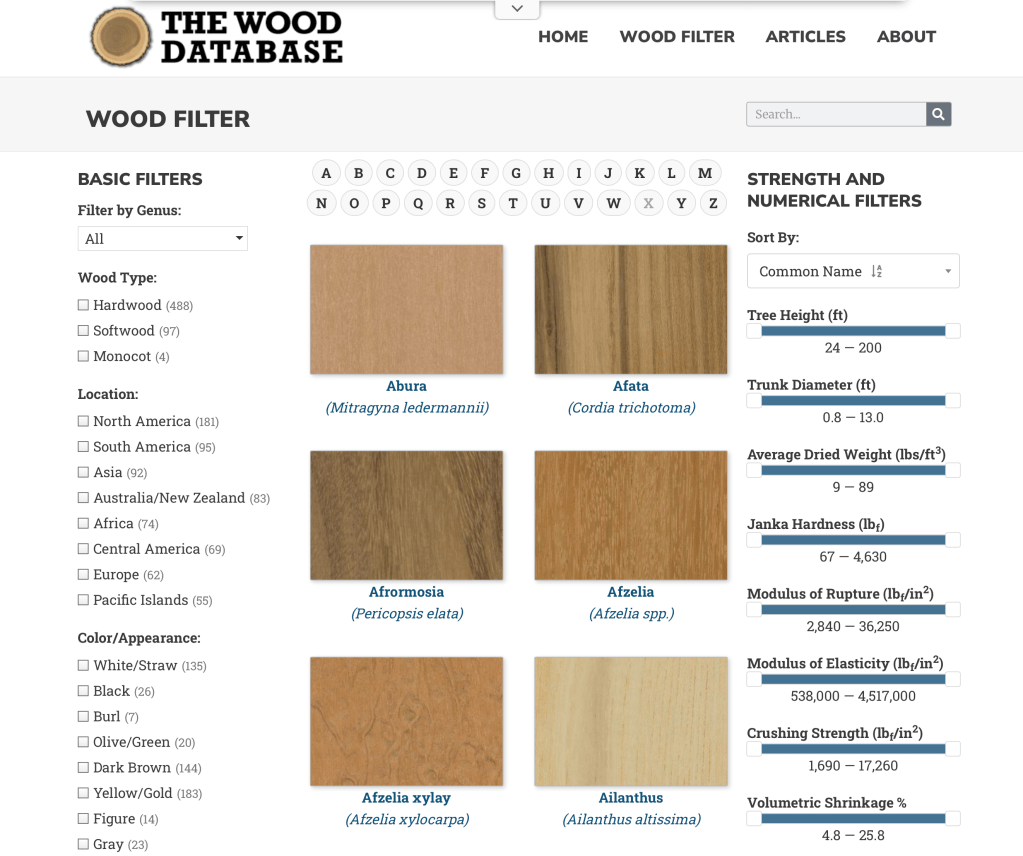
One website that I’ve found recently is a very good starting point to locate a match to a reference photo you might have or select a wood species based on your preferences of shade, color, or grain.

The Wood Database was created by Eric Meier in 2007 and now includes images and data for over 600 different wood species. You can search by name, type, location, appearance, and several other catagories.

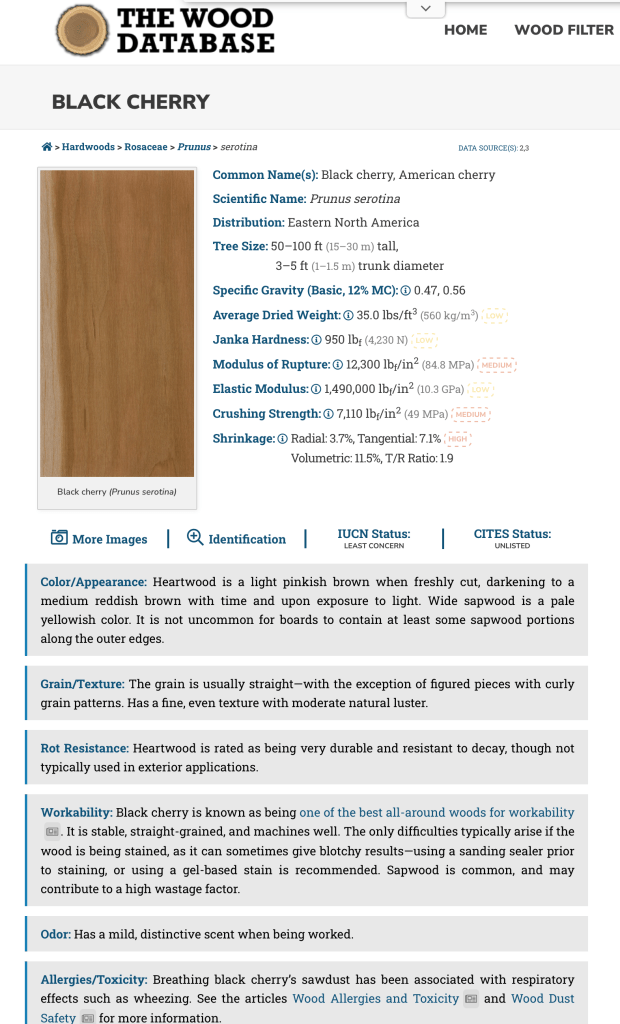
Each species entry has a color photo of the wood showing grain pattern (depending on the cut orientation) as well as the scientific data as to hardness and shrinkage rates.

The information is also available in hardback book form, which can be ordered from the site, which features the data on over 350 wood types, including large color images of each species.

There is also a wood identification guide section on the site to take you through the steps of making an identification.

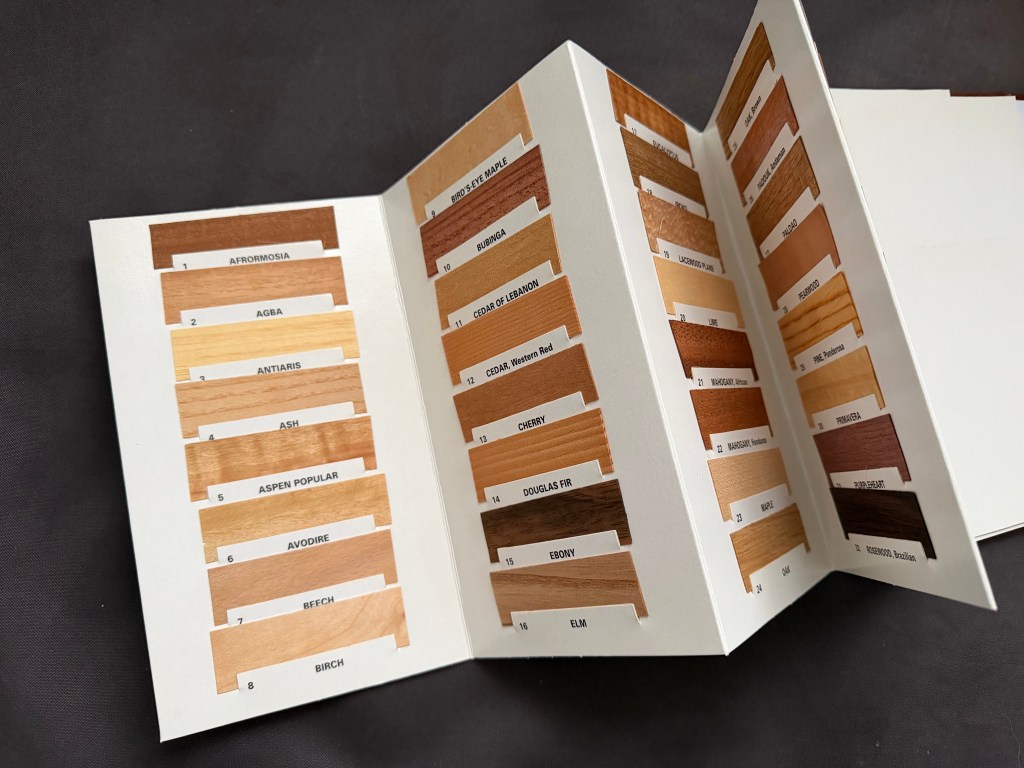
Another good reference is a book called What Wood Is That? by Herbert Edlin. The book explains basic wood characteristics and details 40 common wood types. It also includes 40 actual wood samples so that you can see a real-life sample of the types outlined.

The actual wood samples that are in What Wood Is That?

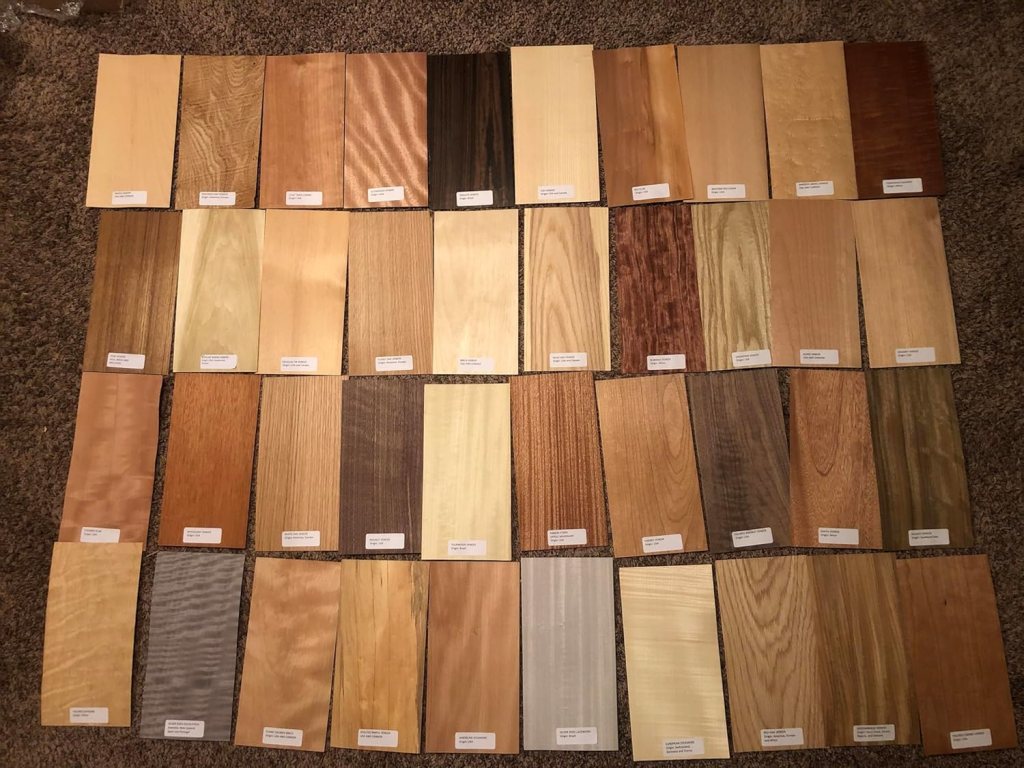
For larger wood samples to look at, I’d suggest getting a set of veneer samples like the ones below. You can find sets like the one below from various venders on Amazon. Be sure that you get a set that have labels attached for easy identification. With these, you have a piece large enough ( they are usually about 6″ x 12″) to be able to try different stains, finishes, or age to your liking.

A typical set of large veneer samples

Moulding In The Classical Tradition Lecture – February 26

If you are in the Los Angeles area at the end of February, The Southern California chapter of the ICAA (Institute of Classical Architecture and Art) is presenting a lecture entitled “Authenticity & Historic Design in Architectural Millwork” on February 26, from 6:00 to 8:00 PM.

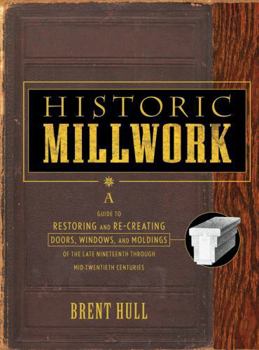
The presenter will be Brent Hull, a nationally recognized expert on historic design and architectural authenticity. He will present information and inspiration from his new book “The Design and Manufacturing of Historic Millwork From 1740-1950” published by Wiley & Sons. 2025.

Hull is an award-winning master builder and expert in historically accurate architectural millwork and mouldings. For over thirty years his craftsmanship has enhanced nationally registered properties and homes across the country. Hull honed his expertise at Boston’s North Bennet Street School where he trained in the art of traditional building and historic preservation prior to founding Hull Millwork & Hull Homes in Fort Worth, Texas.

He has authored five books on historic millwork and architectural design including his most recent work, which is a follow-up to his previous book, “Historic Millwork”, published in 2003. His current book includes moulding of the mid-18th century and early 19th century periods, which weren’t covered in the earlier volume.

He will be talking about the stylistic and functional shifts that accompanied the transition from pre-industrial hand-crafted techniques to mechanized production. Hull provides a framework for identifying period-specific profiles and understanding the design logic that shaped moulding development across two centuries of American building tradition. Participants will gain practical knowledge for making informed specification decisions for restoration and classical new build projects.

Here is the link to register:

https://www.classicist.org/calendar/events/authenticity-and-historic-design-in-architectural-millwork-with-brent-hull

If you aren’t familiar with the ICAA, they are a great resource for connecting with architects and artists who are interested in and trained in the classical arts tradition, both in restoration work and new construction that honors the early periods. They have active chapters all over the country.

Brent will be giving his presentation iat several other chapters around the country so you might check the ICAA calendar if you don’t live on the west coast.

Here is the link to the main ICAA page to find out more about the organization and learn about events in other parts of the country:

https://www.classicist.org


18 Design Reference Books You Should Have On Your Shelf (UPDATE)


design book montage_1

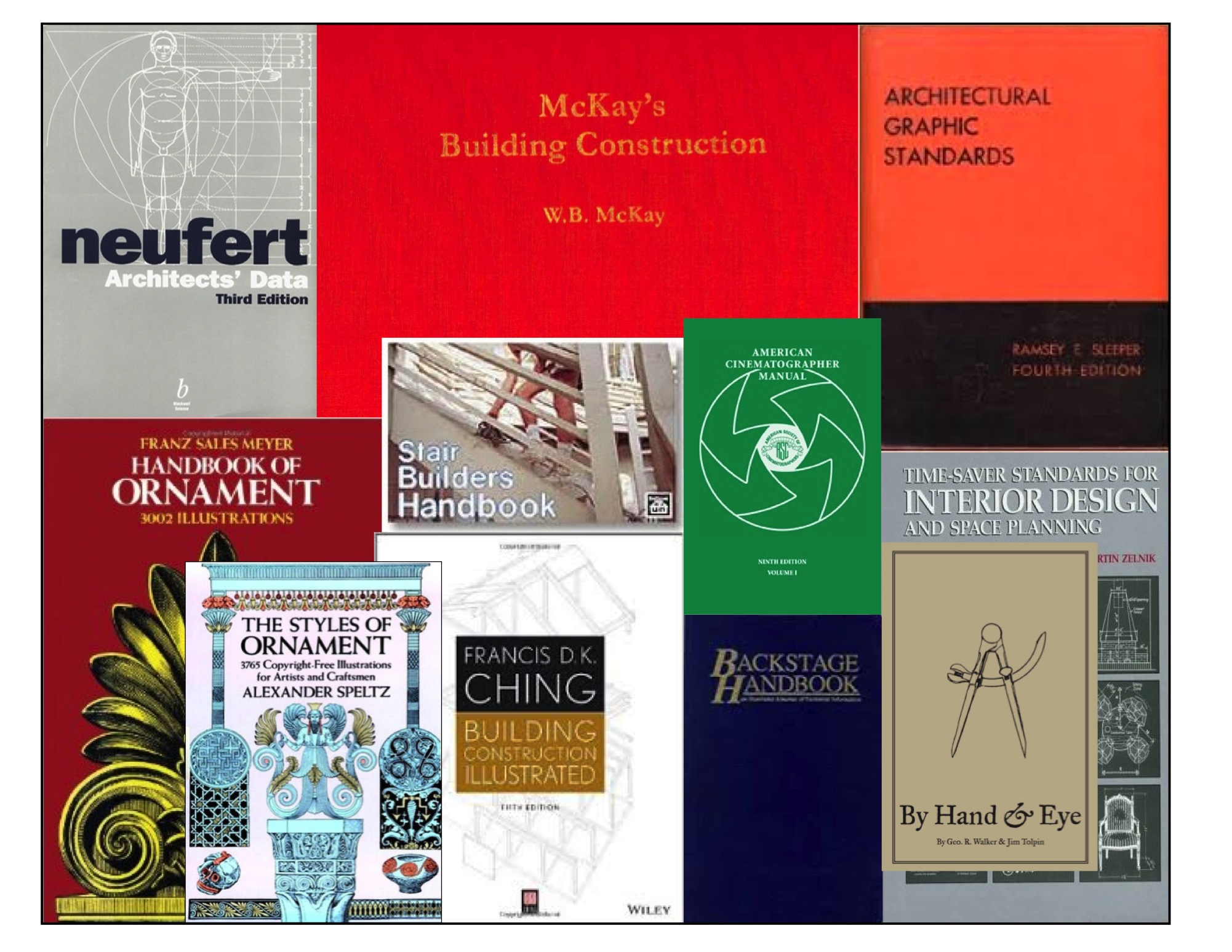
Ten years ago,  I wrote a post on 10 design books that I thought everyone should have. Looking at that list now, I think I need to expand on it by adding a few more to the list.

Here is my must-have list with sources:

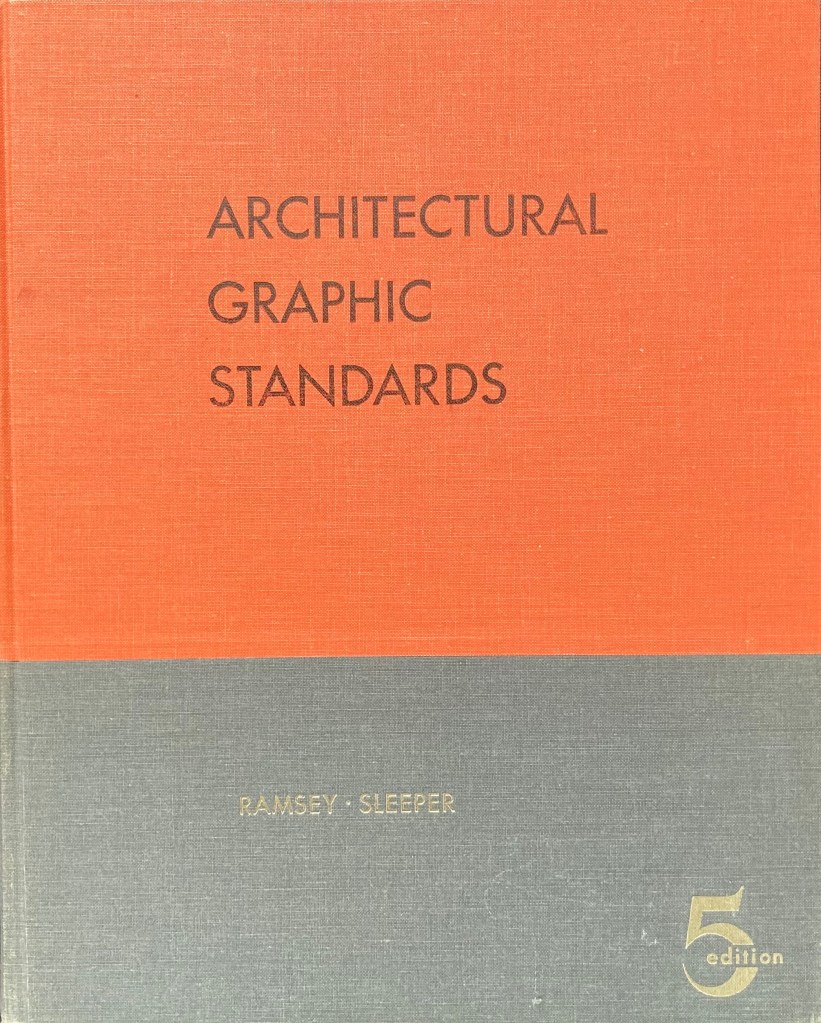
1. Architectural Graphic Standards – 5th Edition –

This was when the books were filled with great hand drawings and actually showed you in detail how things were built. There are lots of period details as well. Out of print for over 50 years, (at least in this edition) you can still find copies for anywhere from $20 to $200. The 3rd edition would be a suitable replacement. the first edition is also good to have and has been reprinted several times. Check Abebooks for copies. Not available digitally.

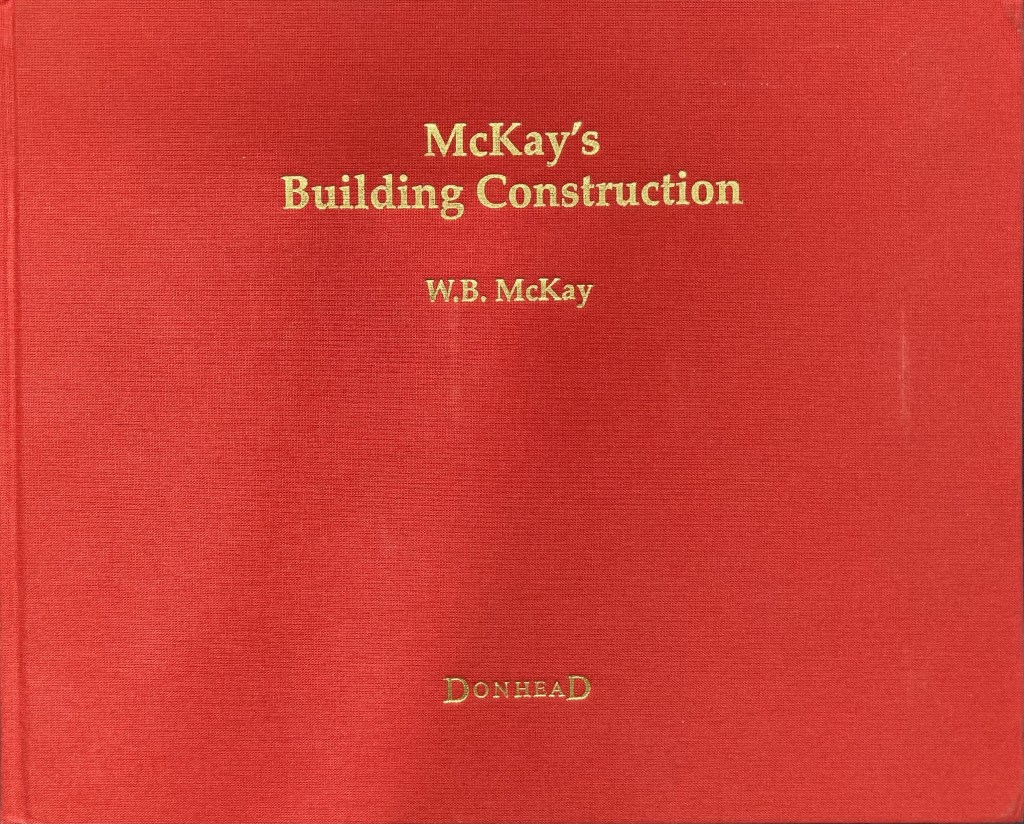
If you are in Great Britain, McKays is the closest equivalent, and is actually superior in a number of ways from our standpoint as set designers. On the Continent, an older copy of Neufert’s is a must. See this earlier post for details. Not available digitally.

___

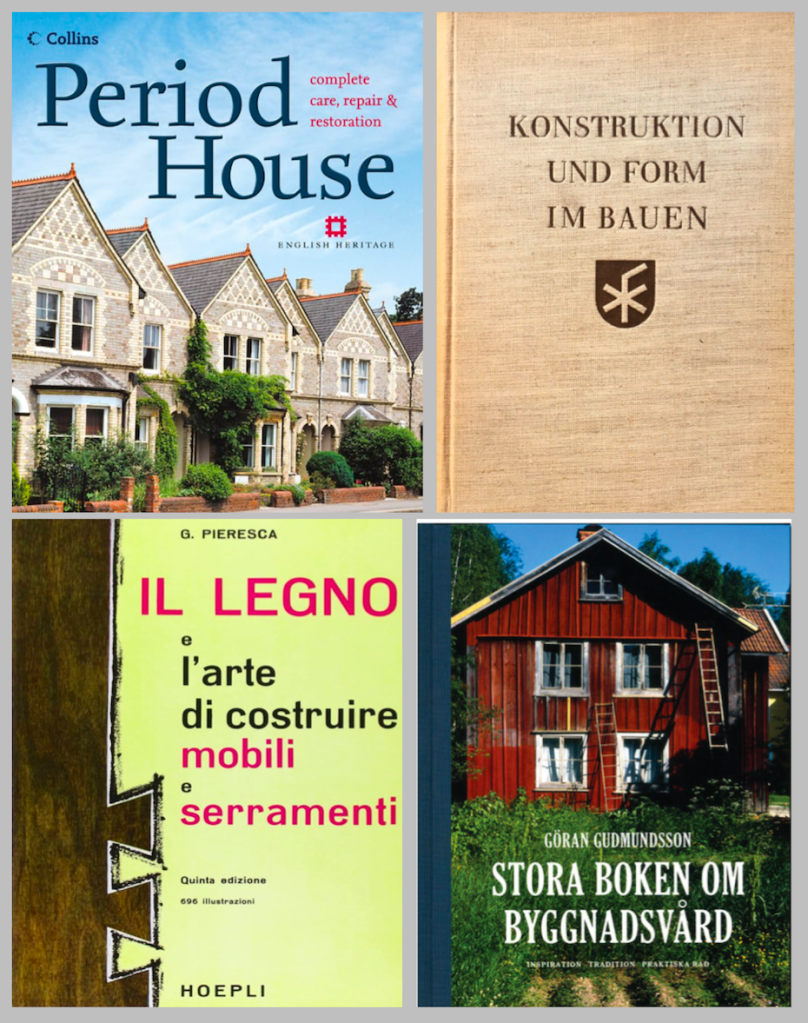
Another option in England is Period House, by Jackson & Day, which goes into extensive detail about common interior architectural elements for restorers. In Germany, the best book on period construction I’ve found is Konstruction Und Form Im Bauen, by Friedrich Hess. There are lots of very nice drawings and measured details. It’s long out of print but you can still find copies second-hand. In Sweden, an excellent book on traditional construction is Stora Boken Om Byggnadsvård, by Göran Gudmundsson. This is a current book and still in print. In Italy, a nice book on traditional construction techniques with detailed drawings is  Il Legno e L’arte Di Contruire Mobili e Serramenti. None are available digitally.

***********************************************************************

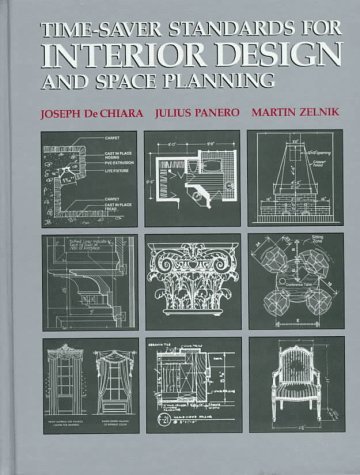
2. Time-Saver Standards for Interior Design and Space Planning, 2nd Edition.

This is the interior design complement to Architectural Graphic Standards and covers nearly every situation regarding building interiors. You can find used copies for around $50. There is a digital version available but it’s not only difficult to navigate because of the size of the book but at the price you’d be better off getting a hardback edition.

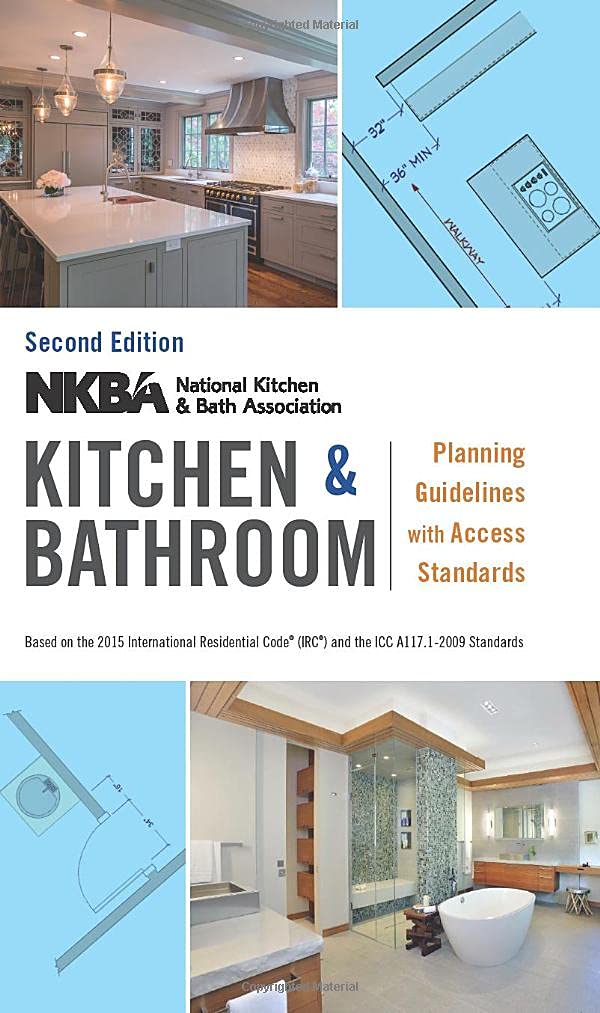
Another companion to this is a nice slim book that is for kitchen and bathroom standards in the U.S. The NKBA Kitchen & Bathroom Planning Guide was created to make common building codes and layouts available to designers in an easy to use format.

*********************************************************************

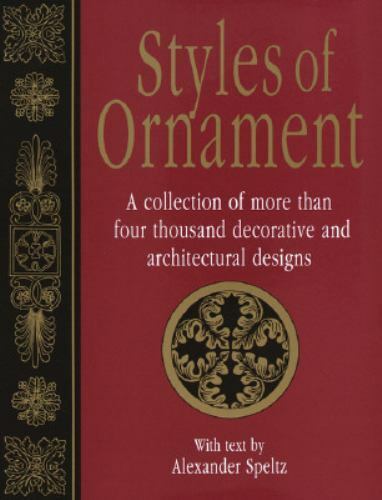
3. Styles Of Ornament – Alexander Speltz.  

Originally published in 1904, this book uses over 4000 drawings to illustrate 6000 years of historical design. As a general design reference I don’t think it has an equal. Architecture, furniture, text, carving, metalwork are all covered. A must-have. About $20 new.

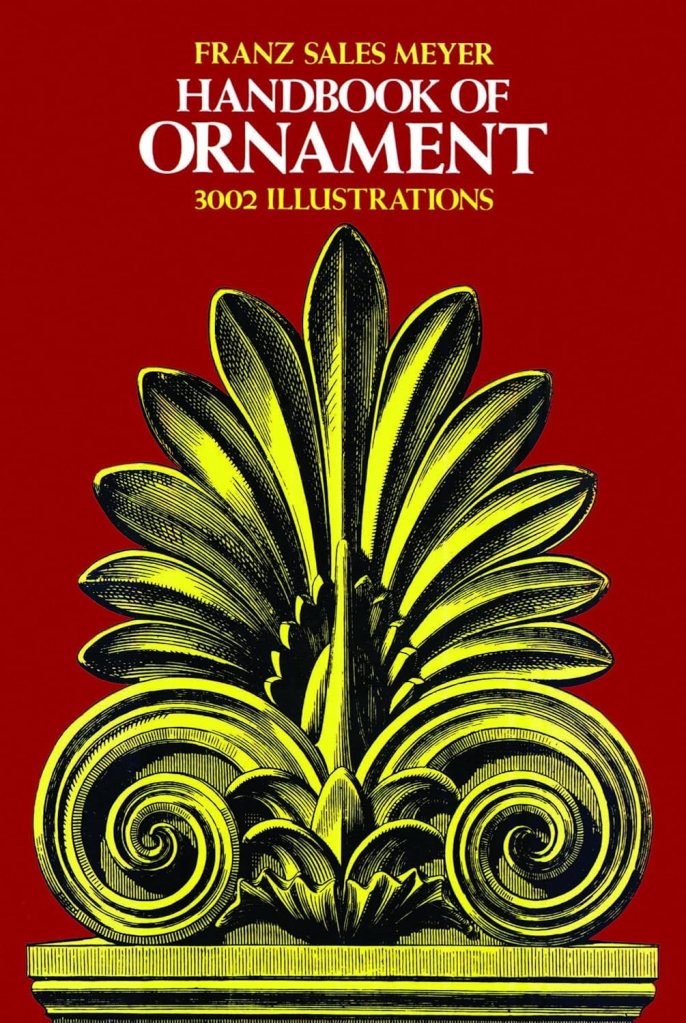
The Handbook Of Ornament by Franz Meyer would be a close second. Available from a number of publishers for as little as $10. A digital version is available.

Low Budget Option- download the online PDF here.

******************************************************************

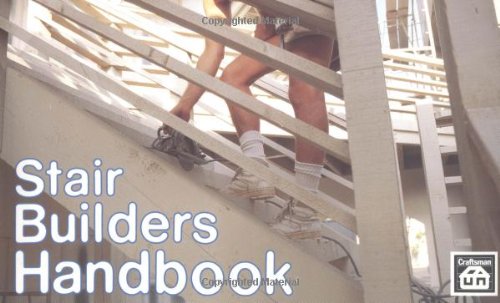
4. The Stair Builder’s Handbook – T.W. Love –

Not a design book, but a book of rise-and-run tables that make stair layout a breeze. Available from various sources for about $20.

Low Budget Option – download the PDF Common Sense Stairbuilding and Hand-railing. Skip the mind bending section on handrail layout and skip to page 99. Also, Stair building, which has a nice section on ornamental ironwork.

*******************************************************************

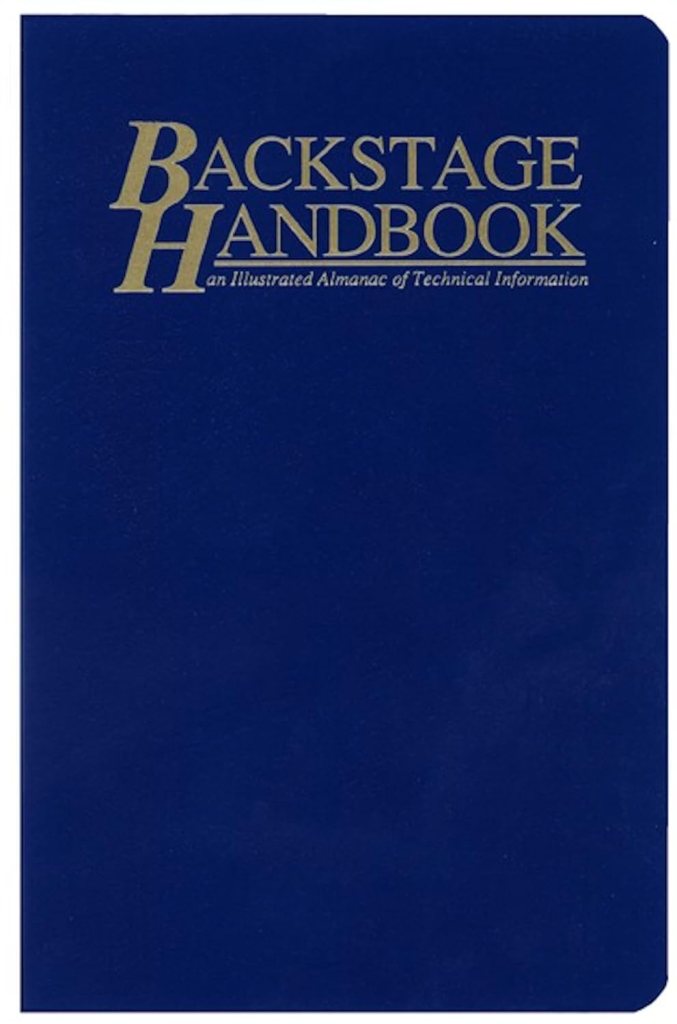
5. Backstage Handbook – Paul Carter.

Originally a technical manual for theatrical designers, the book is full of great information for film work as well. There are more details in this earlier post from several years ago. It is one of the most widely used books on stagecraft in the U.S. Available from Broadway Press for about $22. No digital version is available.

********************************************************************

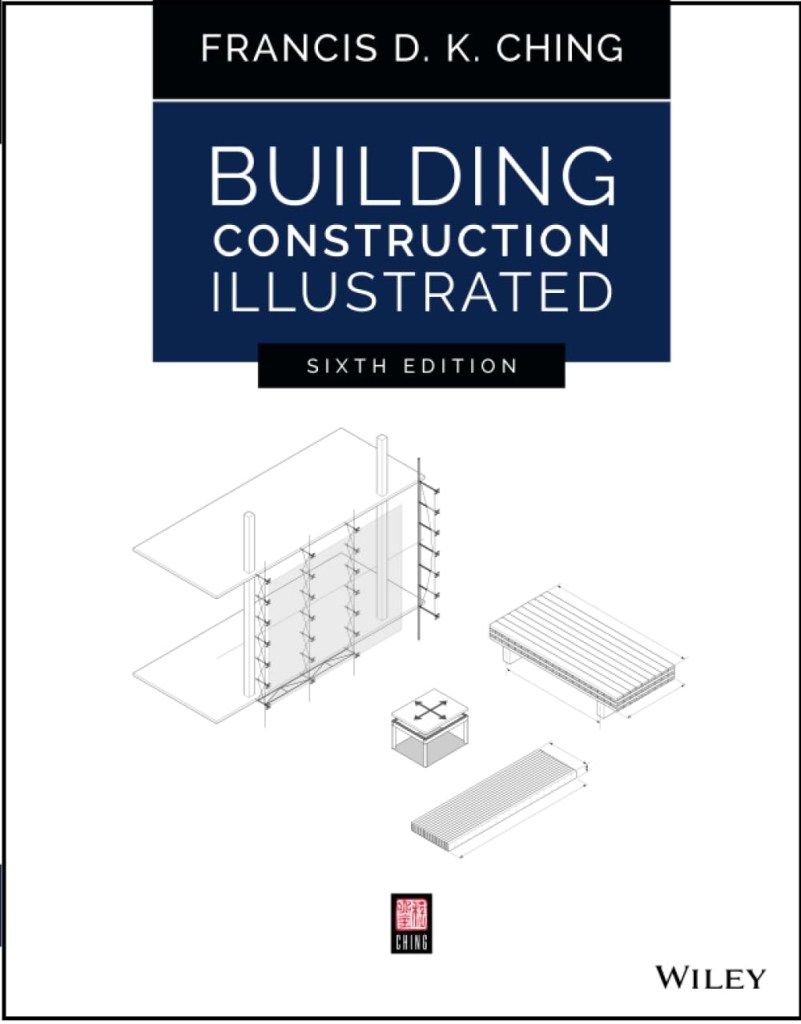
6. Building Construction Illustrated – Francis Ching.

An excellent and thorough book about construction details including wood framing systems and masonry. About $46.

Low Budget Option – access the online PDF here of the 4th edition.

********************************************************************

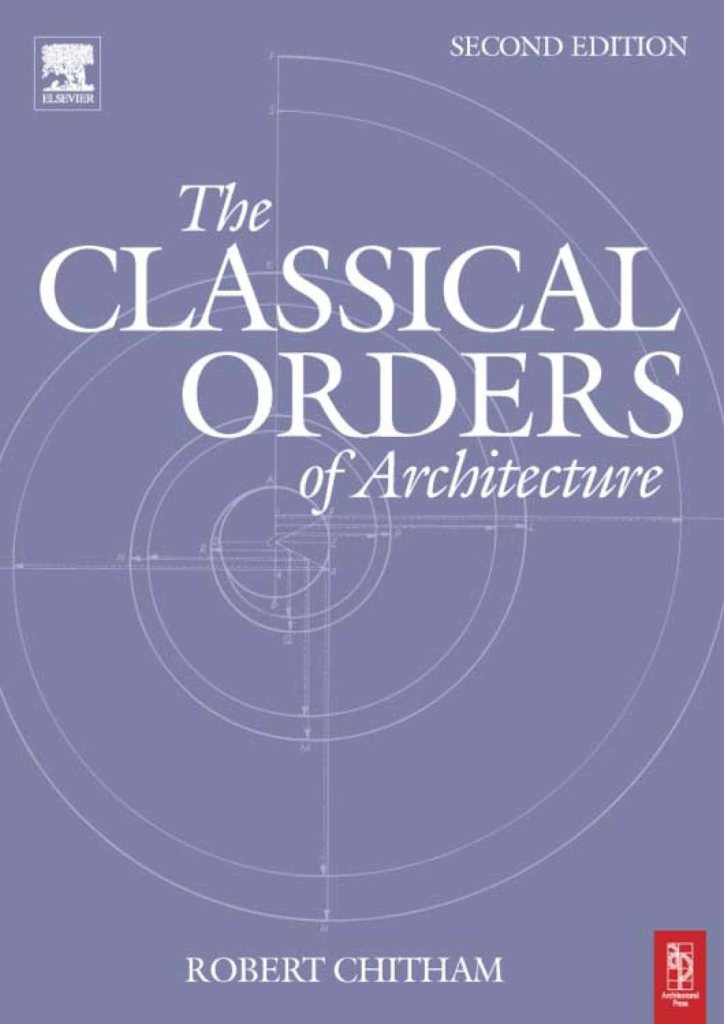
7. The Classical Orders of Architecture – Robert Chitham

I think this is the best modern book around that deals with the classical architecture proportional system. This book was out of print for quite a while and fortunately is back in print. The new edition deals with the proportions for both metric and Imperial systems. Copies can be found for about $55.

Low Budget Option – Get the PDF of American Vignola by William Ware and The Five Orders by Vignola.

*********************************************************

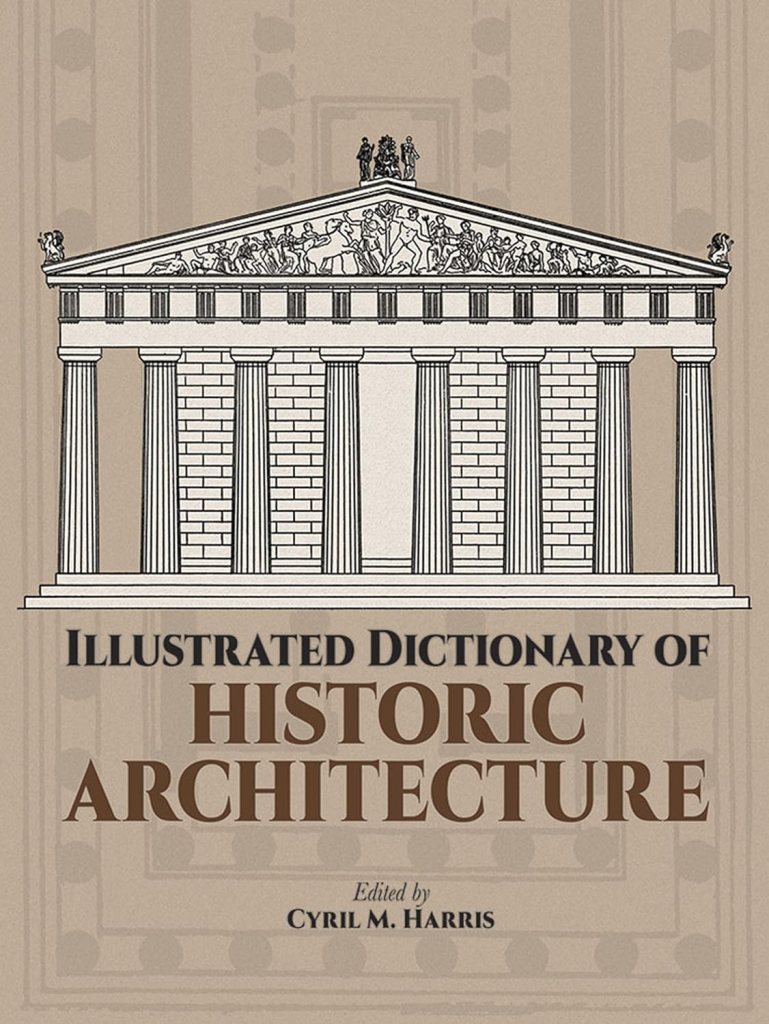
8. Illustrated Dictionary of Historical Architecture – Cyril Harris

With over 5000 terms and 2000 line drawings, this book covers architectural history from the ancient period to 20th century Modernism. Along with the European styles, it covers Japanese, Chinese, Indian, Islamic and Mesoamerican styles. About $35 from various sources.

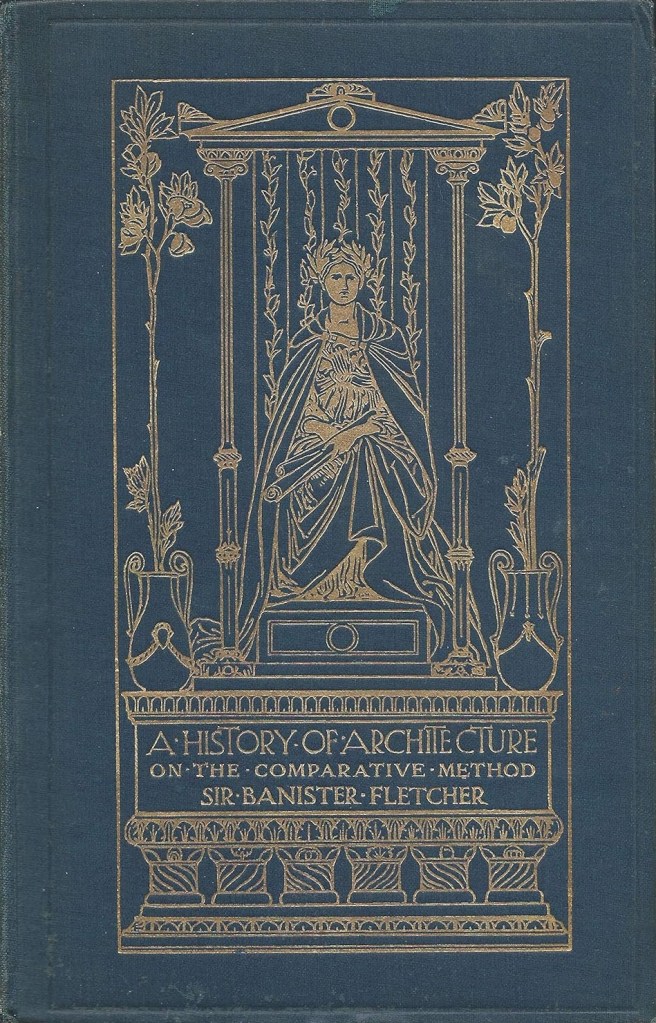
Another classic book in a similar vein is A History of Architecture On The Comparative Method, by Sir Banister Fletcher. This dense, fully-illustrated book covers the time periods from ancient times to the 20th century, focusing on Western culture. It was the most widely used general architecture reference book for decades.

Used copies are easy to find for around $20. A good scanned copy of the 1905 edition can be found in PDF form here for download. Avoid reprints. Most of them are badly scanned from originals and the fine details of the illustrations is lost. A 20th edition has been published in two volumes that comes in at over 1600 pages and includes new sections on cultural architecture from countries not fully represented in the original edition. This runs at around $250.

******************************************************************

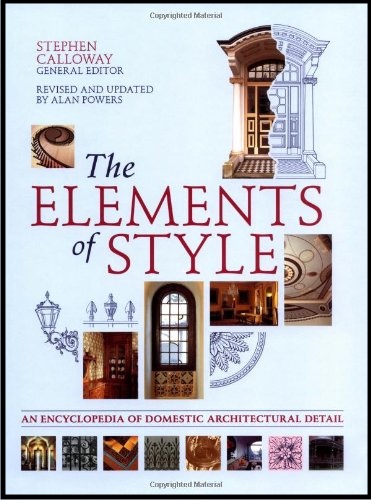
9. Elements Of Style – Edited by Stephen Calloway

This has been a standard Art Department reference manual for quite some time. Subtitles as “a practical encyclopedia of interior architectural details”, the book covers the periods from 1485 to modern day. Each chapter covers a different time period and is separated into thirteen sections which each feature an interior element, making it easy to cross reference similar elements from other time periods. The book includes over 3000 drawings and 1300 photographs to accompany the written analysis. In hardcover for around $75. Used editions can be found for as little as $20.

******************************************************************

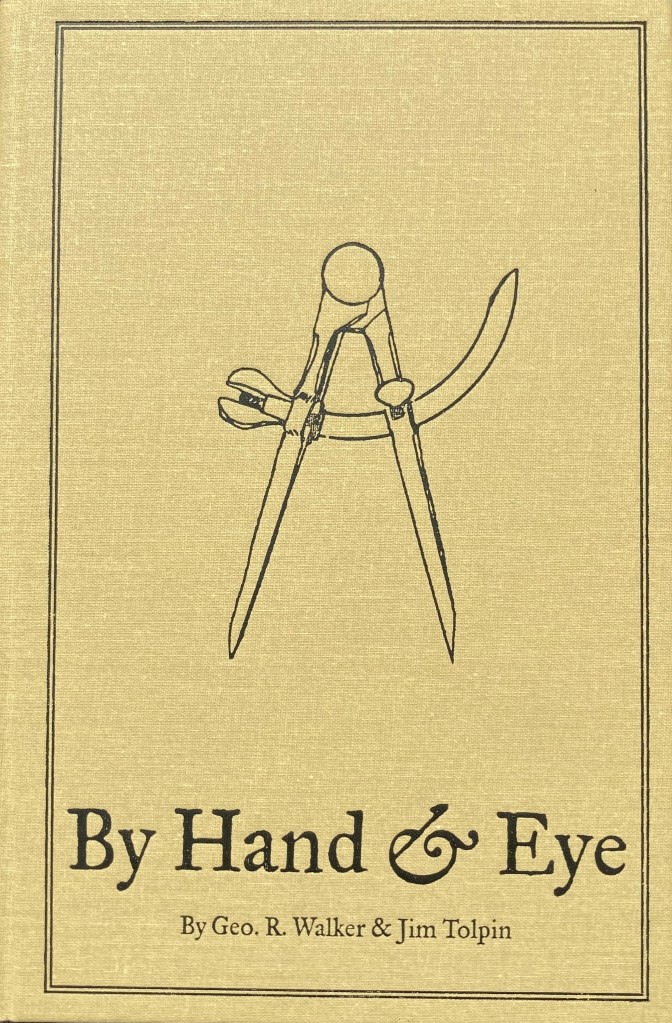
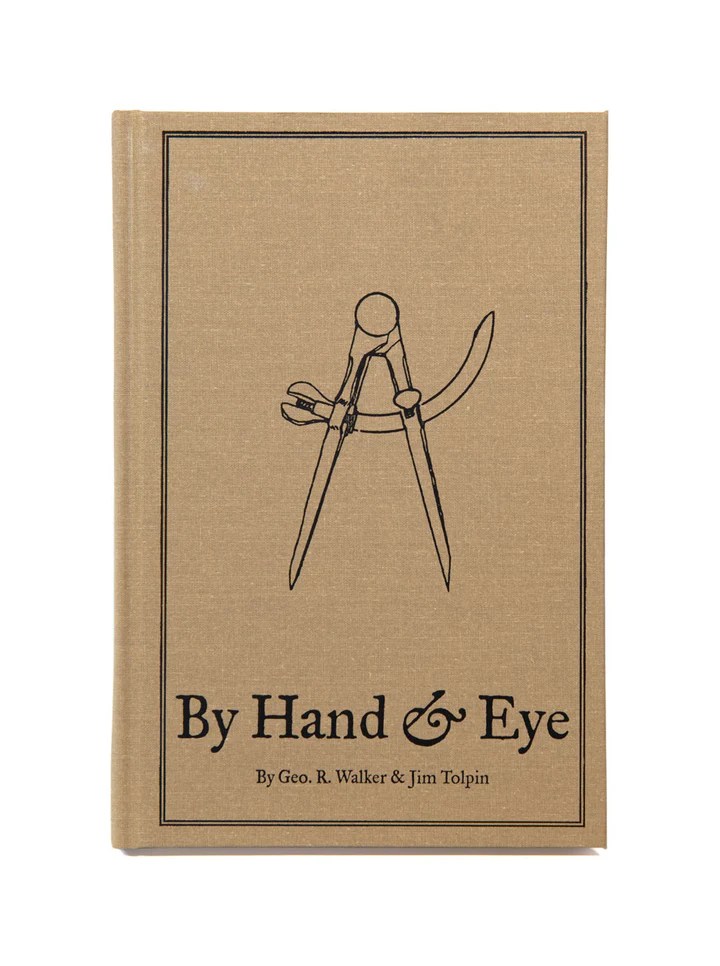
10. By Hand & Eye – George R. Walker & Jim Tolpin.

If you’re just starting out in set design this is one of the first books I’d tell you to buy. Bad proportions can ruin a design. This book will give you a solid understanding of proportion and keep you from making simple mistakes. You can download a sample chapter here. Also, I wrote a longer post on the book earlier. Walker and Tolpin are promising a workbook that will come out later this year based on the book’s concepts so look for that. Available from Lost Art Press for $51, hardbound. A PDF is available for $24.

*******************************************************************

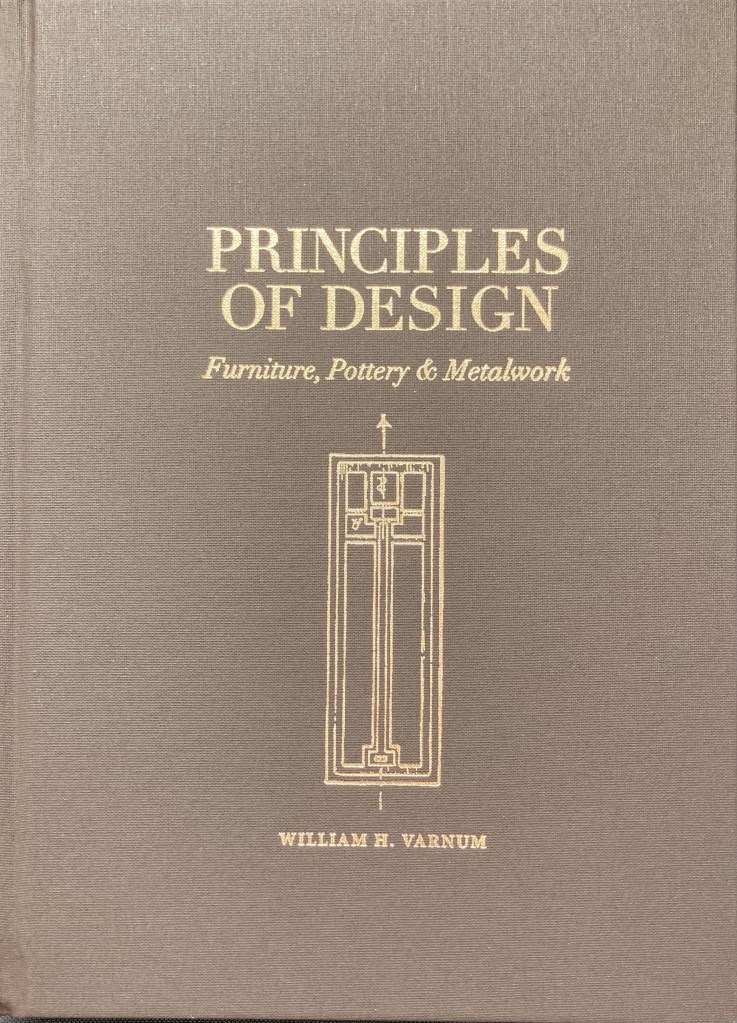
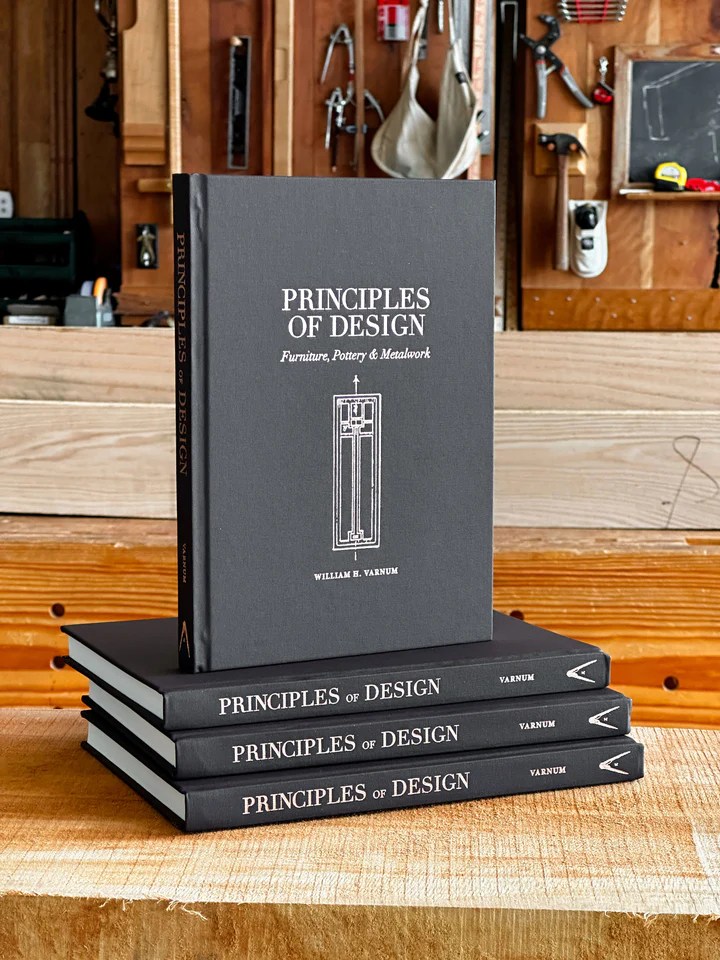
11. Principles Of Design – William Varnum

This is a recent reprint of a book published in 1916 under the title Industrial Arts Design. The book lays out the basics of design, with step-by-step rules for designing not just furniture but pottery and metalwork as well, with sections on enriching a surface with detail or hardware. The rules translate easily to architectural forms and will seem like obvious, common-sense choices once you are exposed to them. This hardback edition is the second run of a limited printing. By Lost Art Press at their website. Hard cover edition is $41.

*****************************************************************

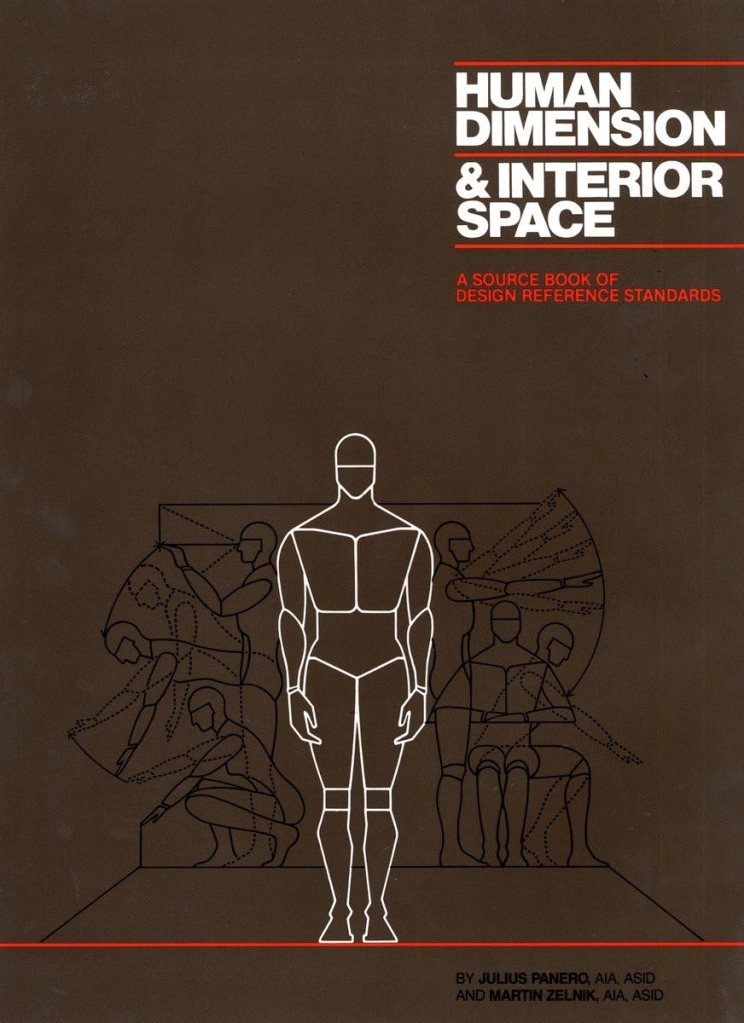
12. Human Dimension & Interior Space – Panero & Zelnik

This book explains the science of anthropometrics, which is the study of human body measurements on a comparative basis. Whether you are designing interior elements, furniture, or vehicles, this book will help you create those spaces with easy to read diagrams and charts that detail the huge disparity in shapes, sizes, and capabilities of the human form. The authors warn against designing for a ‘standard size’ human body which in fact, does not exist. New in hardcover at about $24. Digital versions are also available.

*****************************************************************

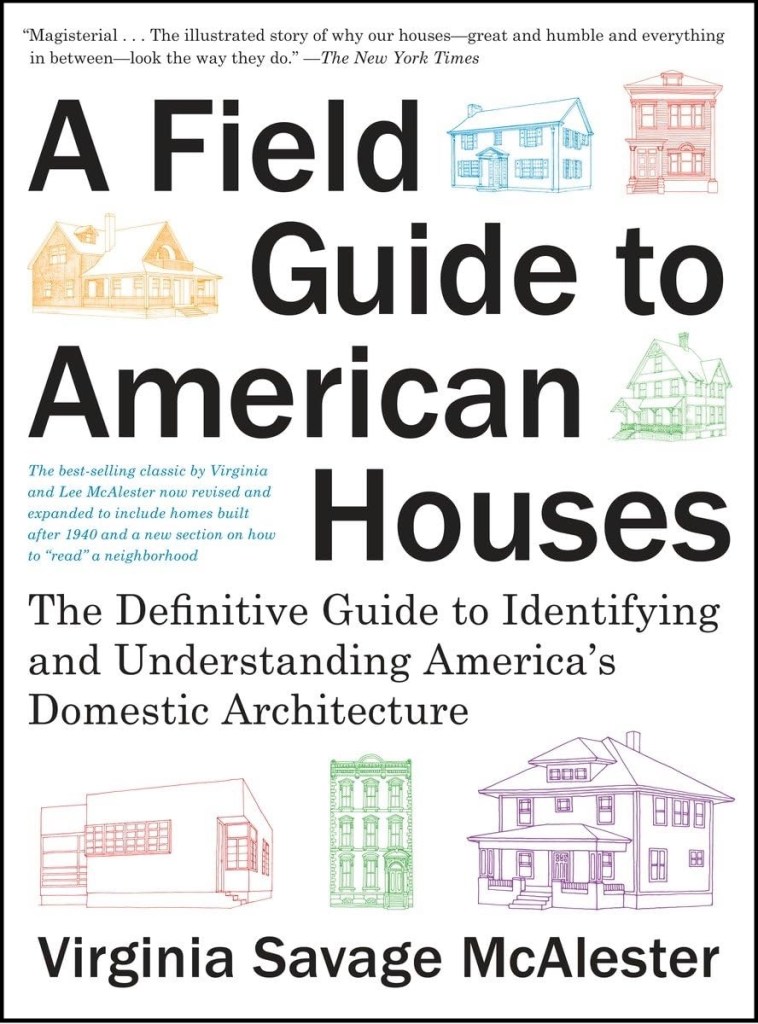
13. Field Guide To American Houses – Virginia Savage McAlester

Described as the “definitive guide to identifying and understanding American domestic architecture”, this book is considered an essential source for understanding the myriad of styles and elements that define American houses. With over 1000 drawings and photographs, the book separates the various styles into chronological categories and explains the details and accents that define each of them with clear, simple sketches. The second edition is about $24 in paperback.

****************************************************************

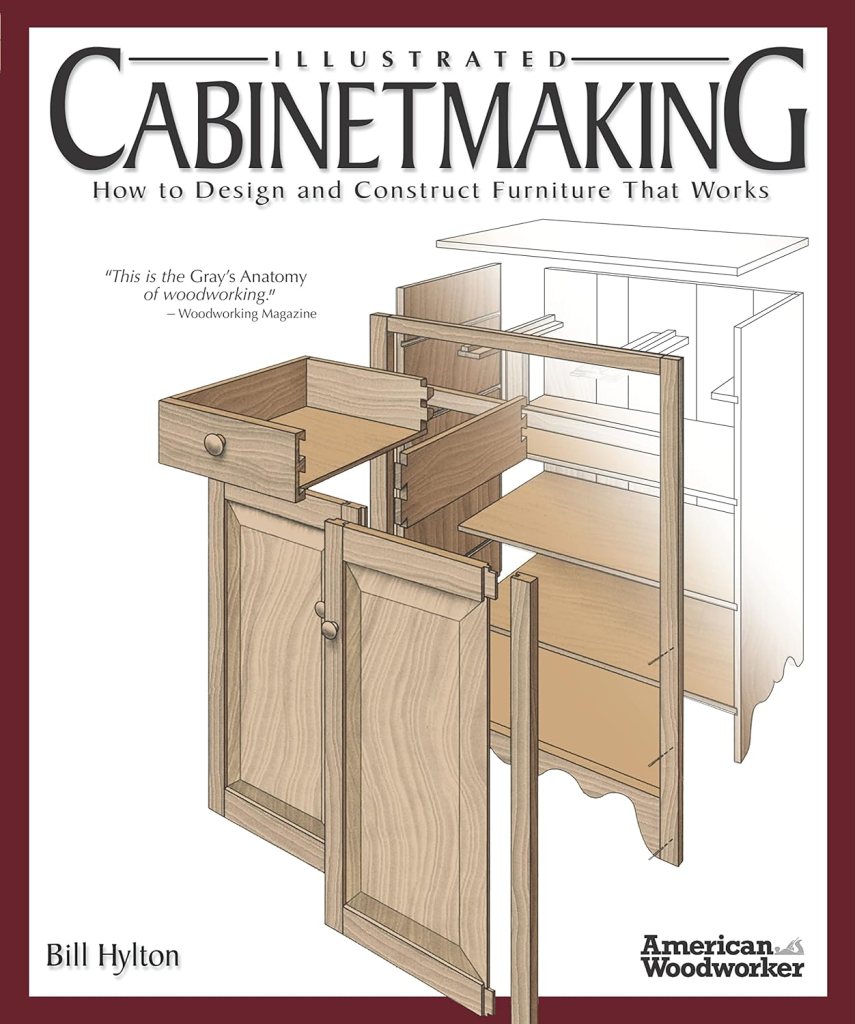
14. Illustrated Cabinetmaking – Bill Hylton

I covered this book in detail in an earlier post. One reviewer referred to this book as the Gray’s Anatomy of woodworking, and that’s a pretty accurate description. If you’re going to design furniture you need to understand how it’s built, and this book explains it with over 1300 color illustrations and exploded views of 90 different pieces of furniture from different time periods. There are sections on joinery, standard dimensions, and sources for construction drawings. Paperback editions are about $24. Digital editions are also available.

***************************************************************

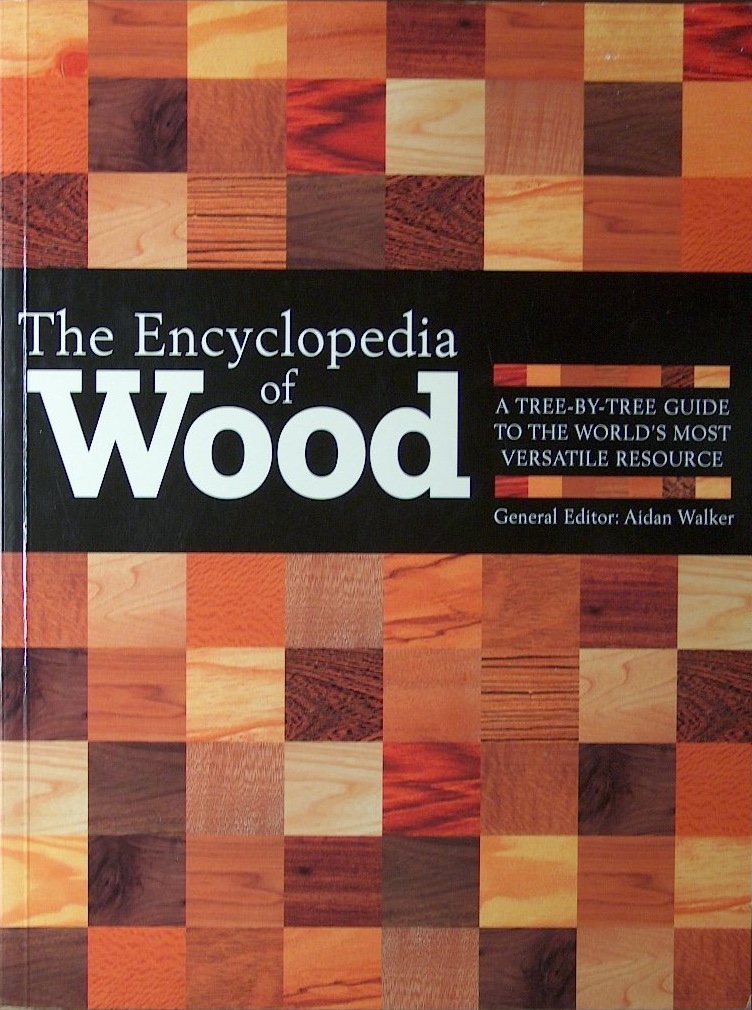
15. The Encyclopedia Of Wood – Aidan Walker, Editor

There are numerous books on tree identification but this one stands out to me because of the variety of wood that it covers and the large, clear color photographs of each of 150 species grain patterns and figure. There are also chapters on how wood is processed, what wood movement is, and how veneers and lumber are milled. In paperback for about $35.

***************************************************************

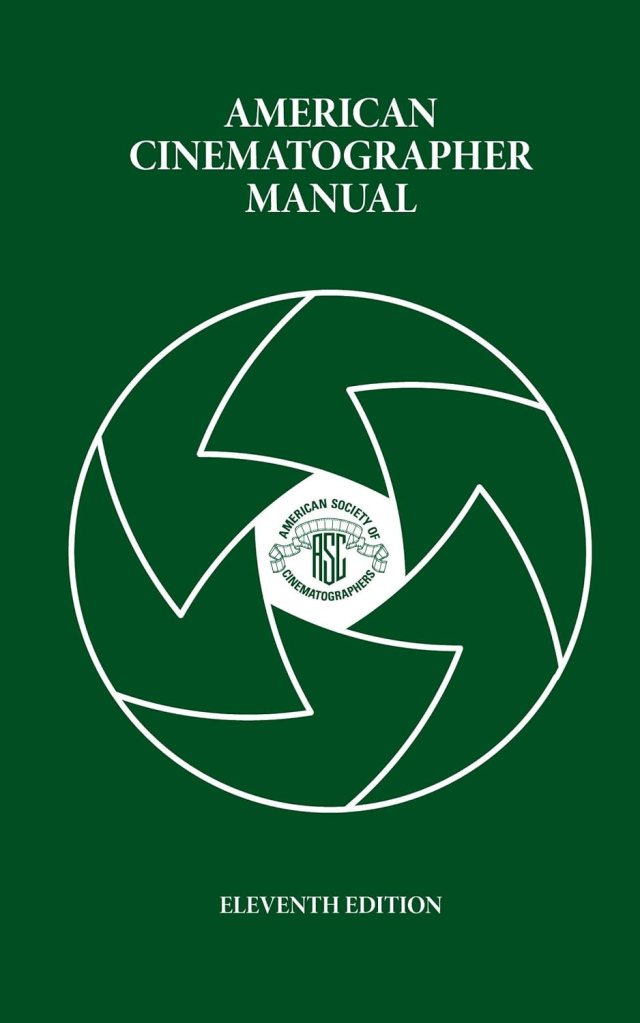
16. American Cinematographers Manual – American Society of Cinematographers

The new 11th edition will cost you about $120 in hardback and almost the same in it’s digital version through the iTunes and Android sites. Earlier used editions can be purchased for a third of the price of a new edition, but much of the latest technology isn’t in them. This is the go-to book for all things dealing with cameras and image capture. A lot of people will tell you you don’t need this. I’m sure you might also have a great career as a car designer without knowing anything about how cars work. Because when it comes down to it, all we’re really doing is designing big, pretty things to bounce light off of. Just remember, if the department names were based on physics we’d be the Light Reflector Design Department.

 *************************************************************

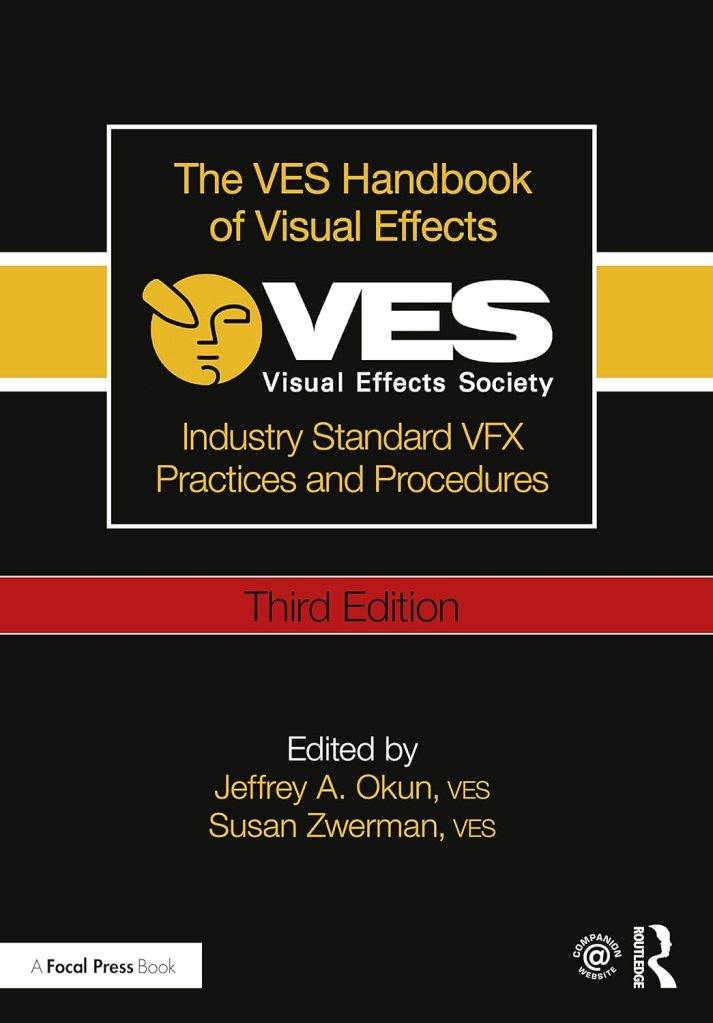
17. The VES Handbook Of Visual Effects – Okun & Zwerman, Editors

Published by the Visual Effects Society, this +1000 page book covers every type of visual effects shot you will encounter. From in-camera effects like miniatures and mechanical effects to green screen work, motion-tracking, LIDAR, tracking shots, LED wall stages, and everything in between. It’s the most complete book on visual effects that has been produced so far. Consider it to be a complementary reference to the American Cinematographers Manual. In paperback, the new third edition costs about $65.

***************************************************************

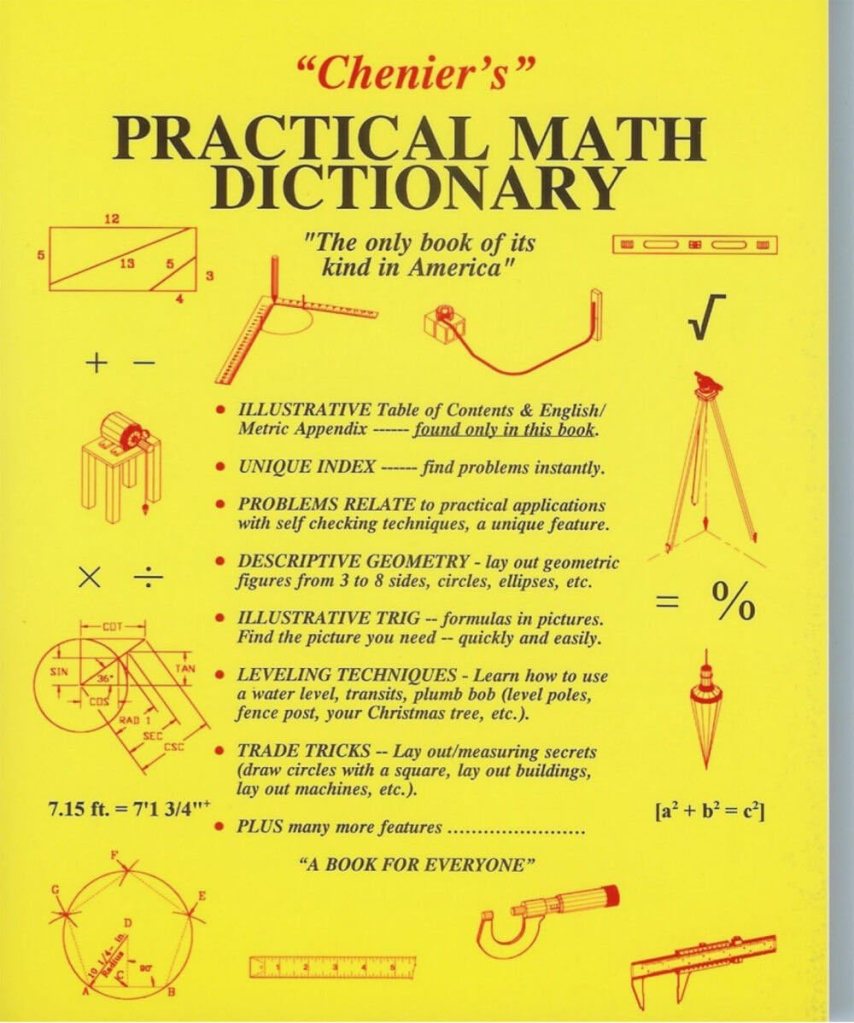
18. Chenier’s Practical Math Dictionary – Norman Chenier

This book is an odd duck in many ways but it has been a real time saver on a lot of occasions. There are sections on descriptive geometry, survey and layout techniques, solutions to common math problems, and other information that you’ll struggle to find anywhere else. In paperback, the latest edition is $26.
Design Gifts For The 2024 Holidays

Jeesh, it’s been ten years since my last gift guide and I’m getting it out a little late this year, but some of the same items are still here on the list, mainly the classic tools and books that never become obsolete, (like a lot of software programs do).

I don’t receive any money from these recommendations. These are books and tools that I own and use often.

My Must-Have Tools For Film Designers

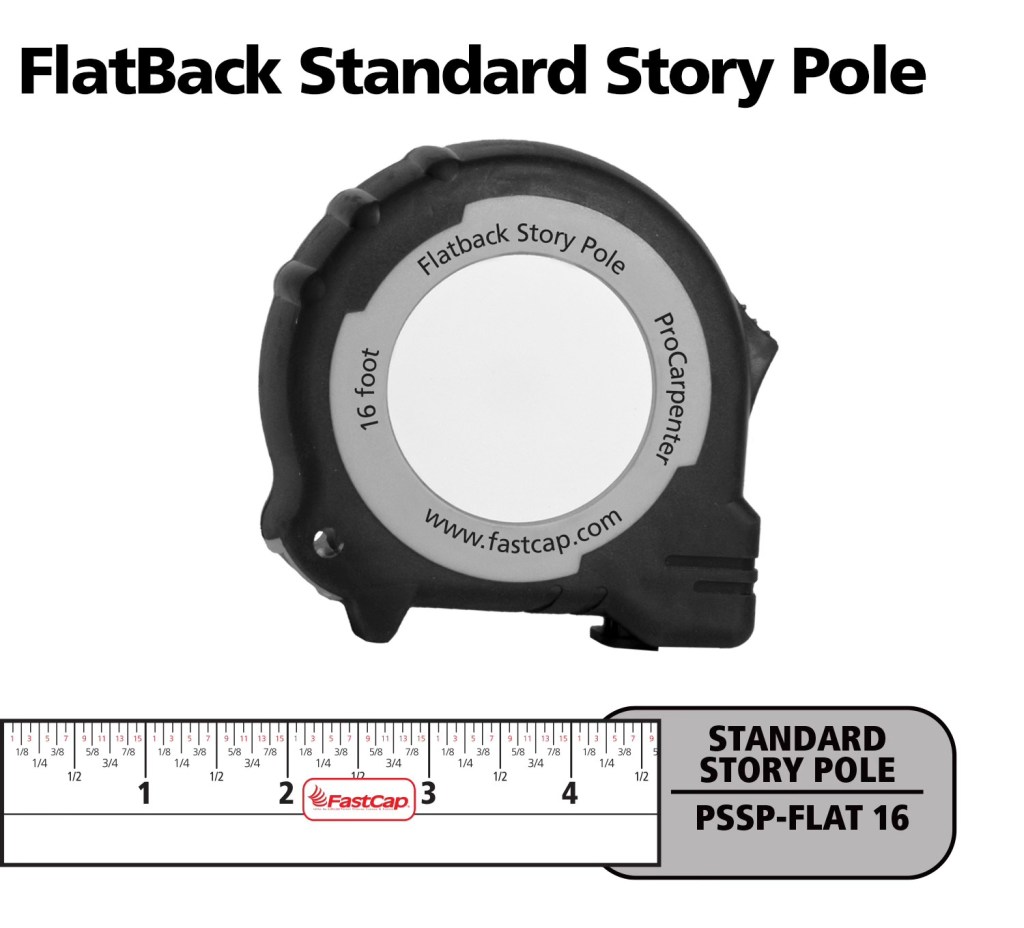
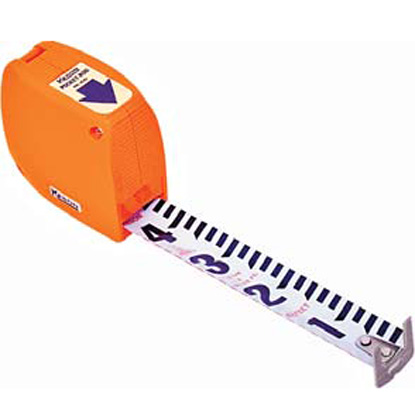
FastCap Flat Back Tape – You can not only measure round or curved surfaces but it has a blank area to write on for use as a story pole. – $10.00

Keson Pocket Rod – These are so essential for site surveys that I have four of them. They come in Architect and Engineer models. – $20.00

6″ Digital CalipersLike these, there are many manufactures. (Avoid any priced under $20.00.) – Must-have tool for doing photo scaling (see article) – about $24.00

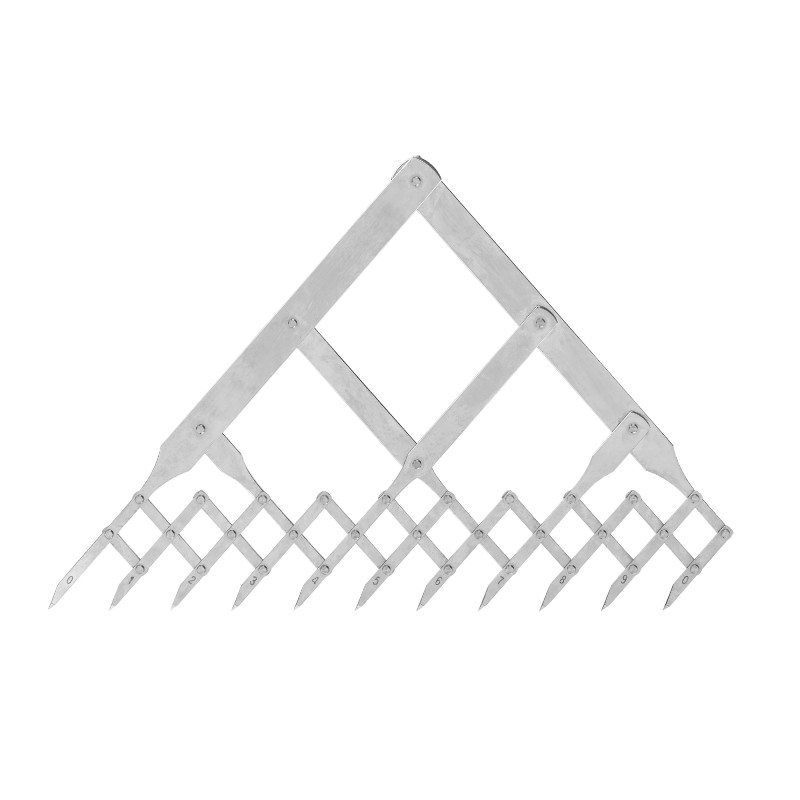
Equal Space Dividers – great for not only photo scaling but for designing in general. They run the gamut in price from these to these. $220 to $24.00

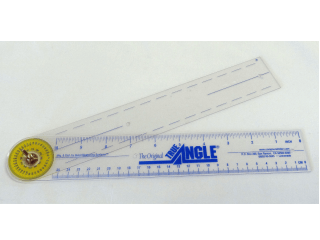
True Angle – Multi-use tool for measuring and transferring angles. lightweight. – 12″ -$16.00

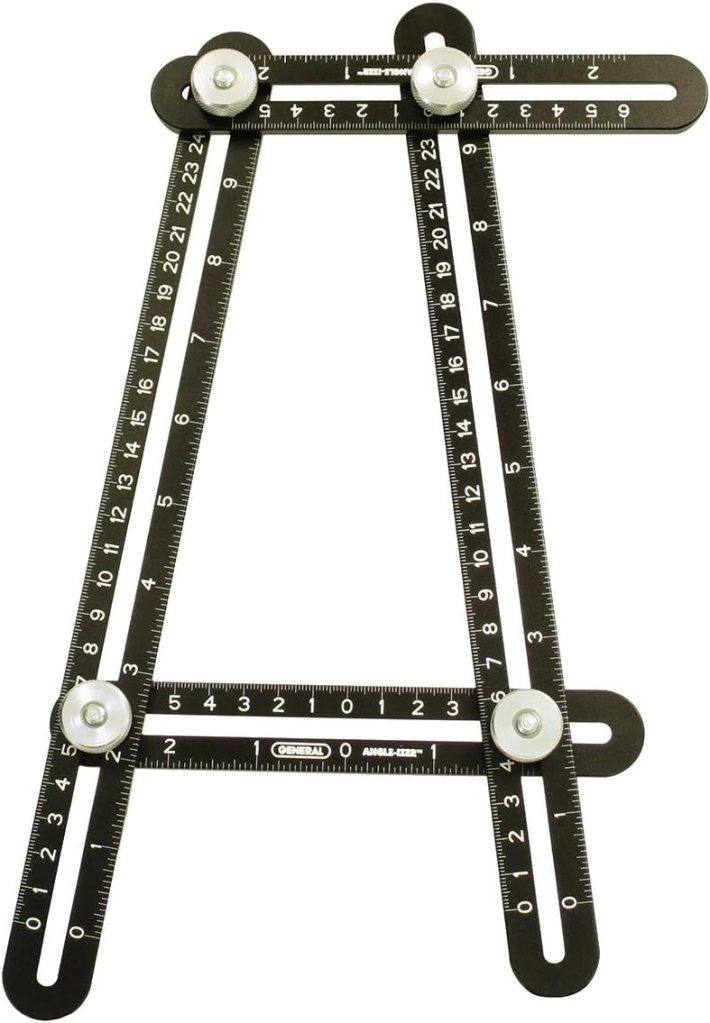
Angle Template Tool – Various manufacturers – around 18.00

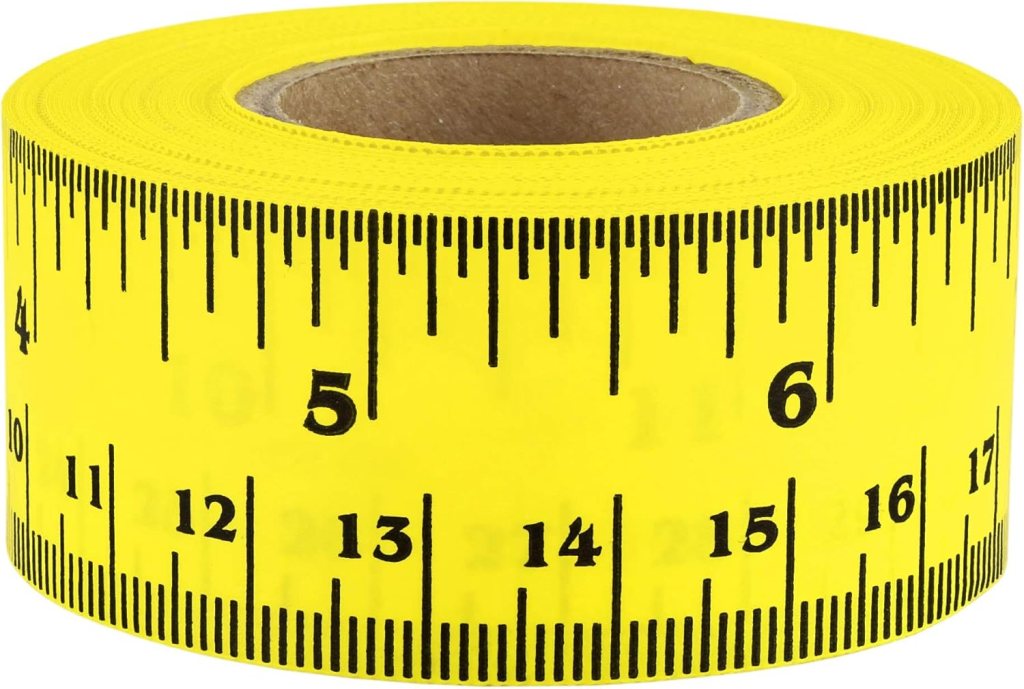
ChromaLabel Adhesive Measuring Tape – Great for when you don’t have time to measure everything and have to rely on photos of surveys – $16.00

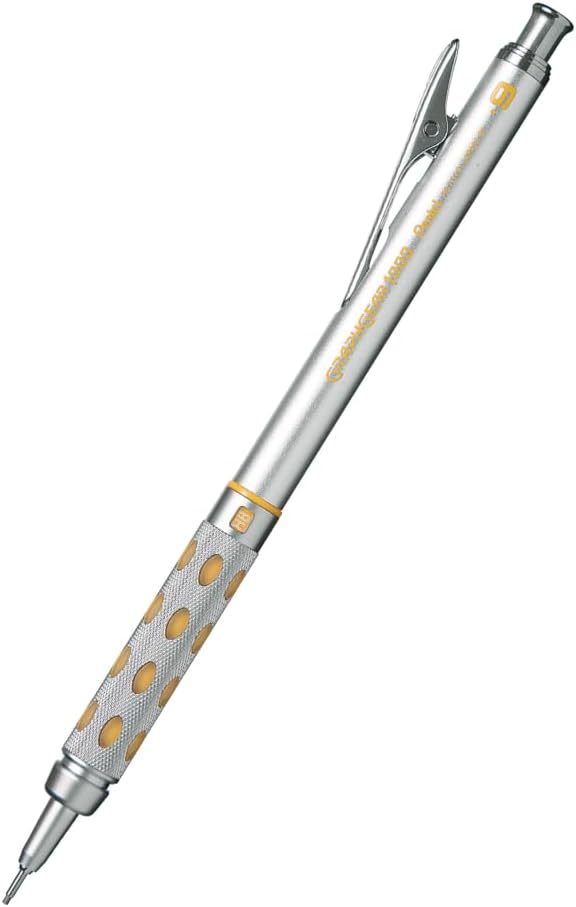
GraphGear 1000 – Mechanical pencils, my new favorite brand. These are great because the barrel sleeve retracts into the pencil to protect it. Comes in .3, .4, .5, .7, and .9mm leads. About $9.00

Compass – So many to choose from, (and a lot of crappy ones are in the mix). This one is a good all-around basic, practical compass that will last a while. $14.00

Design Books

Lost Art Press Books

Still my favorite design and furniture book publisher. Here are my recommendations:

By Hand & Eye – $51.00. Another gem from Lost Art Press, this is probably one of the best design books written in the last 100 years. It outlines the world of design without a rule and using only dividers and proportional methods. I covered this in a previous post and always recommend it. Buy this and a good pair of second hand dividers from Ebay and you will completely change the way you think about design.

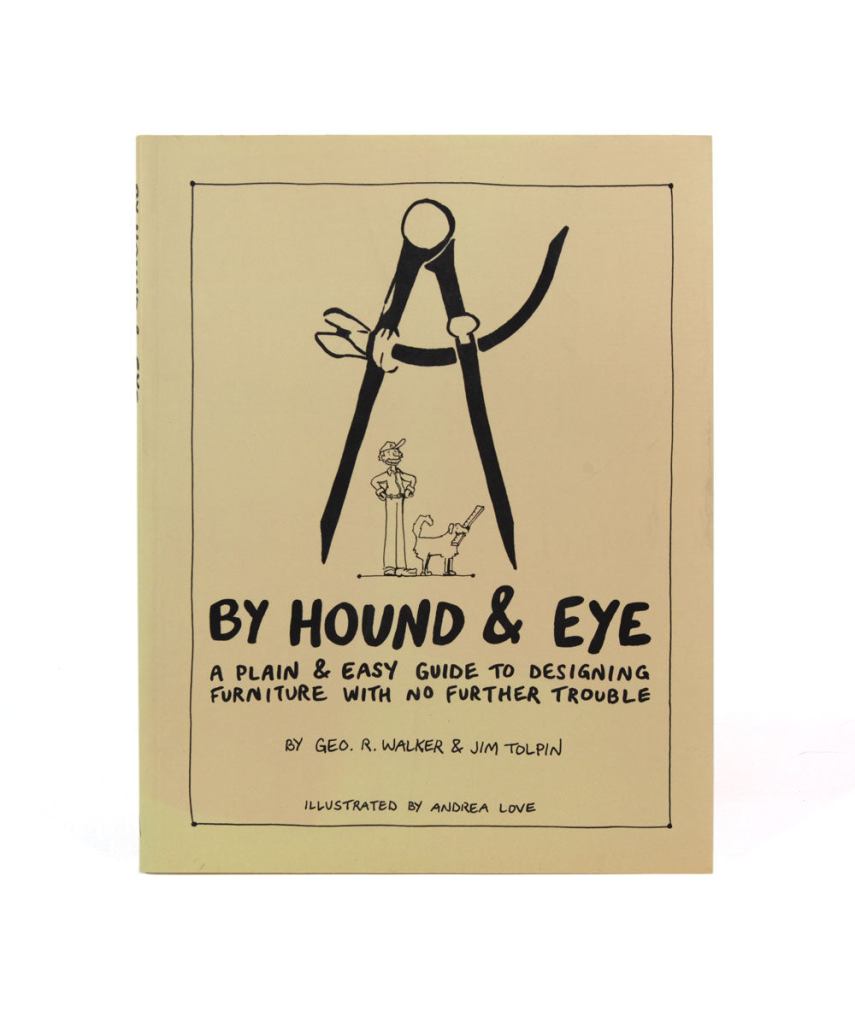
By Hound & Eye – $31.00. A companion workbook to By Hand & Eye.

Principles Of Design – $41.00

The Anarchist Design Book – $54.00

Other Books

Historic Millwork – Brent Hull

A Field Guide To American Houses – Virginia Savage McAlester

Stair Builders Handbook – T.W. Love

Backstage Handbook – Paul Carter

American Cinematographers Manual – ASC Press

The VES Handbook of Visual Effects – VES Society

Designer Drafting For The Entertainment World – Patricia Woodbridge

The Classical Orders Of Architecture – Robert Chitham

Illustrated Cabinet Making – Bill Hylton

Styles Of Ornament – Alexander Speltz

McKay’s Building Construction – W.B. McKay

Neufert – Architects’ Data – Granada Publishing

Geometry Of Design – Kimberly Elam

Really, Really Last Minute Gifts

When you realize you’ve really screwed up and forgotten someone and have no time to run to the store, much less order anything, you can always gift a good app.

Log onto the Apple or Android store and gift your so-important-you-forgot-about-them friend one of these apps and your reputation will be saved:

I own and can recommend all these apps.

BuildCalc – construction calculator – $24.99

Photo Measures – saving and sharing measurements – $6.99

MagiScan – Turns your phone into a 3D scanner (pay per use) ( I have used this a lot)

CamToPlan Pro – Uses AR to turn scans into measured drawings – $39.95

Theodolite – Just like a real theodolite but for your phone (fantastic) – $8.99*

Pocket Laser Level – Laser level for smart phones – free

Artemis Pro – professional director’s finder (Most used digital directors finder) – $29.99

Helios Pro – Sun and Moon calculator (fantastic) – $17.99

pCAM – camera info calculator – $29.99 *

Lens Lab – Depth of field app, shows you a visual representation – $1.99*

Sun Surveyor – sun and moon calculator – $9.99

I.D. Wood – samples and data for 200 kinds of wood – $9.99

LensKit – lens technical data – in-app purchases – subscription *

* iOS versions only

Online Design Classes

I have to get a plug in for our own classes at Wrand.

All the classes are 30% off until December 25.

Helpful Hardware Reference

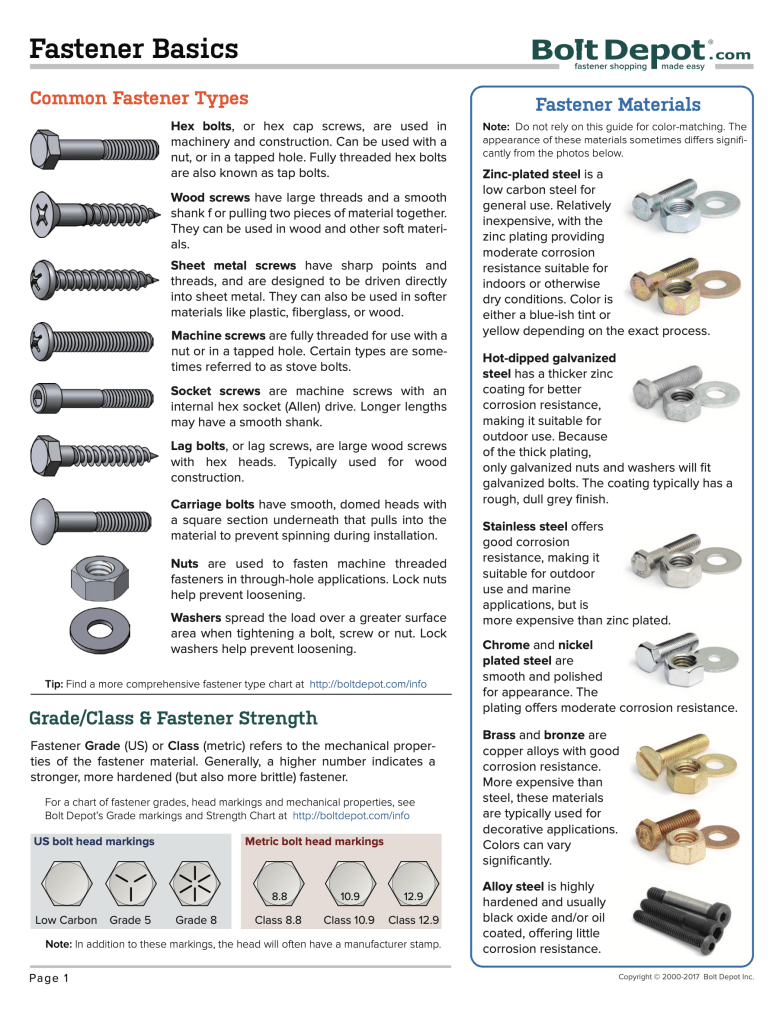
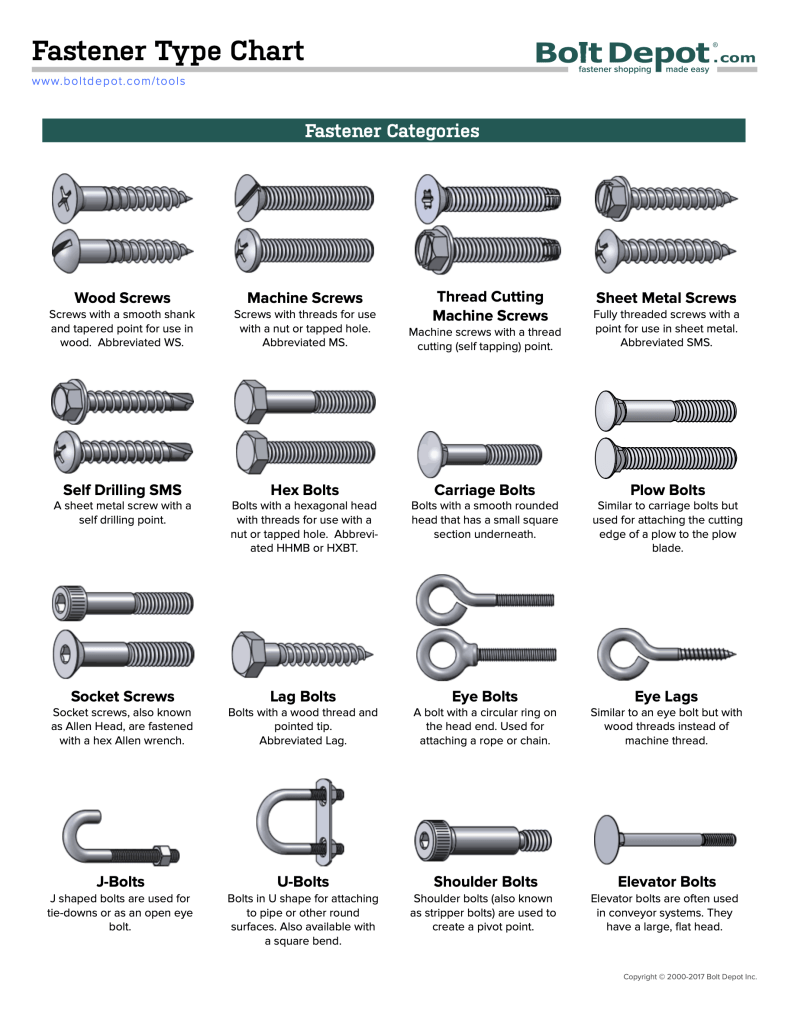
Hardware and fasteners are usually a conundrum for most people. Unless you grew up with a dad who liked to fix things or had a preternatural attraction to hardware stores (ok, guilty as charged), you are probably at some point confused about specifying or discussing specifics when it comes to connection thingies.

I’m always on the lookout for ways to simplify the explanations and it gets harder as more and more types of fasteners get added to the possibilities pile.

If you really want to just go down the rabbit hole of fastener options, all you have to do is dive into the online catalogue at McMaster-Carr, purveyor of all things industrial.

But if you just want a simple, easy-to-understand diagram, go over to BoltDepot.com. It’s a family-owned hardware company in Massachusetts and specializes in fasteners.

They’ve put together a 32 page PDF of basic fastener terminology that includes full-size print out of fasteners so you can see the exact size you’re looking for, which will alleviate a trip to a Home Depot to wander through the haphazard hard department, trying to find someone to help you figure out what you need (don’t waste your time).

You will also have a lot better time getting some personalized customer service at Bolt Depot than you will from the other giant hardware suppliers.

BoltDepot.com

866-337-9888

100 Research Road
Hingham, MA 02043
Mon-Sat 7:30am-5pm 

Now In Print – The Art Of The Hollywood Backdrop

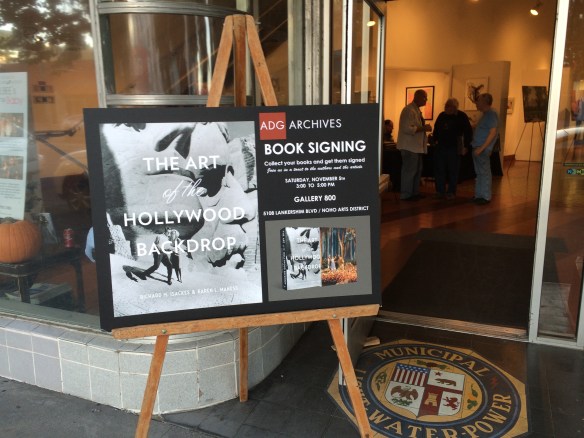
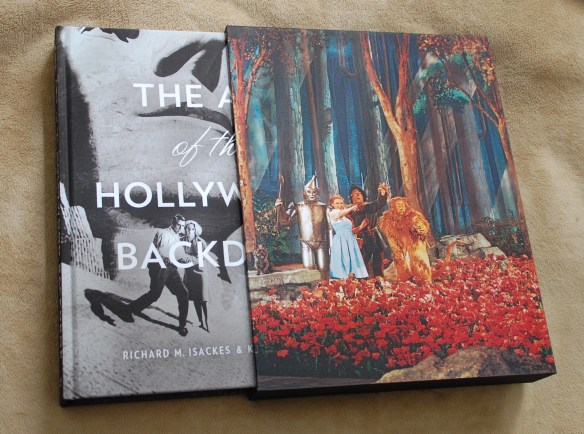
The Art Director’s Guild sponsored a book signing event at their gallery space in North Hollywood yesterday, with co-author Karen Maness on-hand to sign copies of the new book, The Art Of The Hollywood Backdrop.

img_0828


img_0815

The book is a cooperative project between the authors, Karen Maness and Richard Isackes and the Art Director’s Guild. With a focus on hand-painted rather than photographic backings, the book traces not only the history and development of backdrops through Hollywood films but the artists who have developed the techniques used and who have passed along that knowledge to successive generations of scenic artists.

dsc_0027

The event was well attended by not only Guild members but by members of the Strang family and the Coakley family of J.C. Backings, the two families which have not only dominated the field in Hollywood but have been the biggest promoters and curators of the art form.

The Coakley family and fellow artists of J.C.Backings

The Coakley family and fellow artists of J.C.Backings


Co-author Karen Maness graciously signed books all afternoon.

Co-author Karen Maness graciously signed books all afternoon.

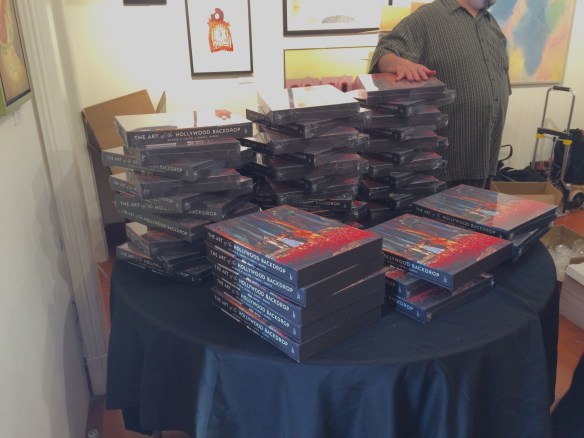
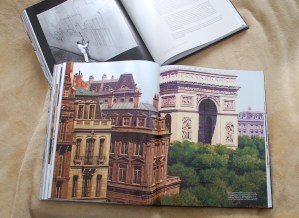
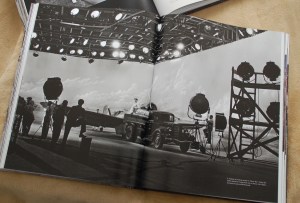
This is a big book, and I say that in every sense of the word. Larger than a quarto format at 11 x 14 inches, the hard-cover and cased edition is 352 pages long and weighs in at 13 pounds. Filled with crisp images of both black and white and full-color backings, the photos show the backings not only in a straight-on form but in the environment that they were meant for.  It’s filled with stills from the original films as well as set stills showing them in relationship to the sound stages and the companion scenery.

dsc_0033


dsc_0032This book will definitely appeal to film lovers who have very little understanding of film scenery and stagecraft as well as film professionals who have many films to their credit.

It is available for order through the publisher’s website and will soon make it’s way into bookstores. If you are still making that holiday gift list, this is definitely a book that will have huge appeal to anyone who loves movies. Read an excerpt here, and you can order the book here from Regan Arts.


The Digital Bookshelf – Furniture Mouldings

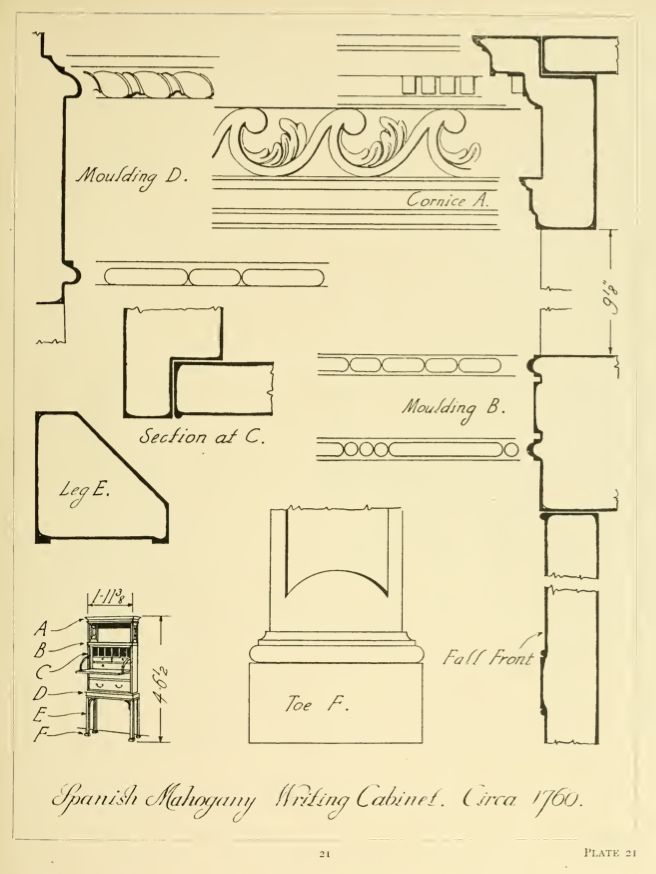
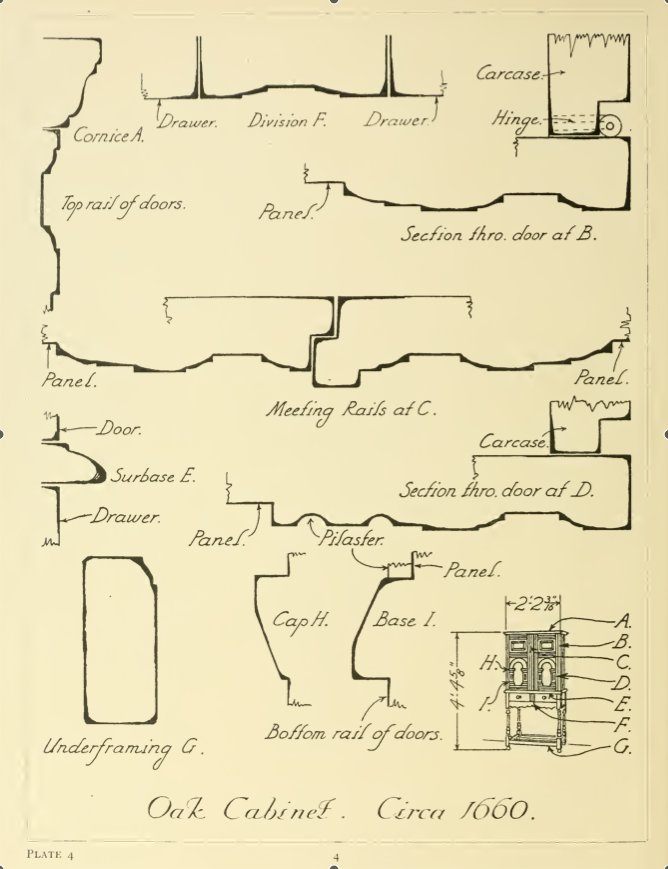
“There is a tendency among those accustomed to the large-scale of moulding detail on exterior work in wood or stone to make their mouldings on furniture and interior woodwork too large. The full-size furniture moulding so carefully drawn by Mr. Warne should be of the utmost service not only to furniture designers but to students of architecture and interior decoration.”

plate 21_warne


plate 4_warne


“This book covers many different types of English furniture; bedsteads, bookcases, bureaus, cabinets, chests, cupboards, chairs and others. This book illustrates cover this book covers molding details on English furniture from about 1574 to 1820 molding is the method adopted by the cabinetmaker to give definition to the lines of his work and the sections of molded detail very very much as one style has succeeded another through the oak, walnut, mahogany and satinwood periods of English furniture the workings of moldings was then so laborious that the craftsman use them with greater restraint and obtained more pleasing effects by their use than is frequently the case today when profusion often eliminates interest.”

H. P. Shapland, 1923


E.j. Warne’s book, Furniture Mouldings, is still one of the best resources on 16th to 19th century British furniture. Almost never out of print, copies can be had for as little as $1.

Until you get a print copy, you can download a digital scan of the book below. Scanned from an ex library copy, there are a number of damaged pages but you can get a good idea of the scope of the book.

FurnitureMoulding_EJWarne_1923


– R.D. Wilkins


The Measuring Tool At The End Of Your Arm

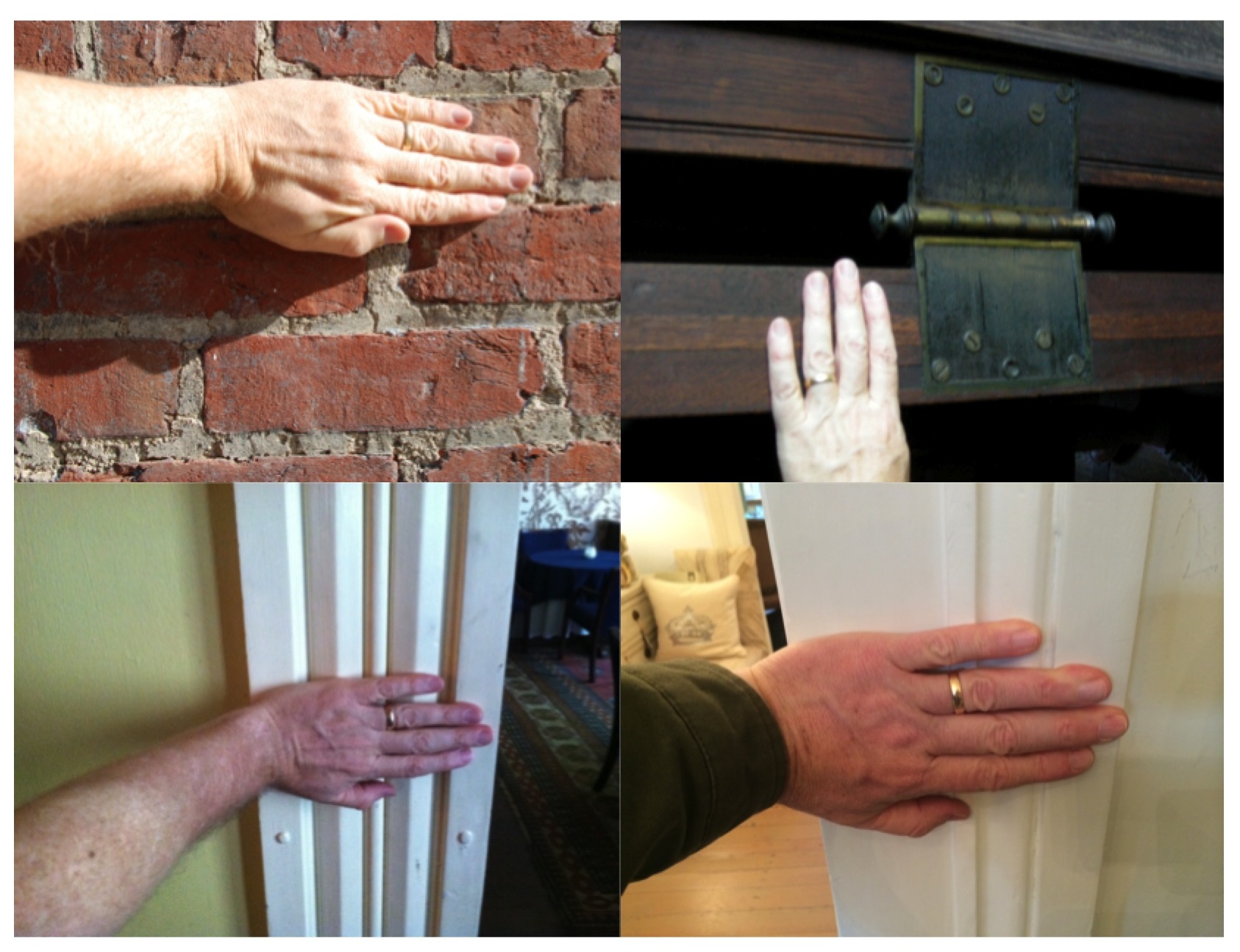
I like photographing architectural details. But they’re only really useful if I have a scale in the photo. Measurements written down in a journal somewhere are bound to get separated or lost and the photo won’t do me much good if I want to replicate the detail. I rarely carry a tape measure with me all the time and usually carry a small paper ruler in my wallet, but that often gets lost of left behind.

When those times occur where I need a scale in the photo, i just use my hand. It’s handy because it’s always with me, I know how big it is and I can always refer to it later when I’m scaling the photo. It’s my built-in story-stick.hand photos_1

The hand has been a measuring device for thousands of years and is still used as a measure of the height of  horses in the U.S. and UK. The hand’s width was standardized at 4 inches by Henry VIII in the 16th century, the hand’s breadth, (just across the 4 fingers) at 3 inches, making the average finger width 3/4″.

hand measurements_1

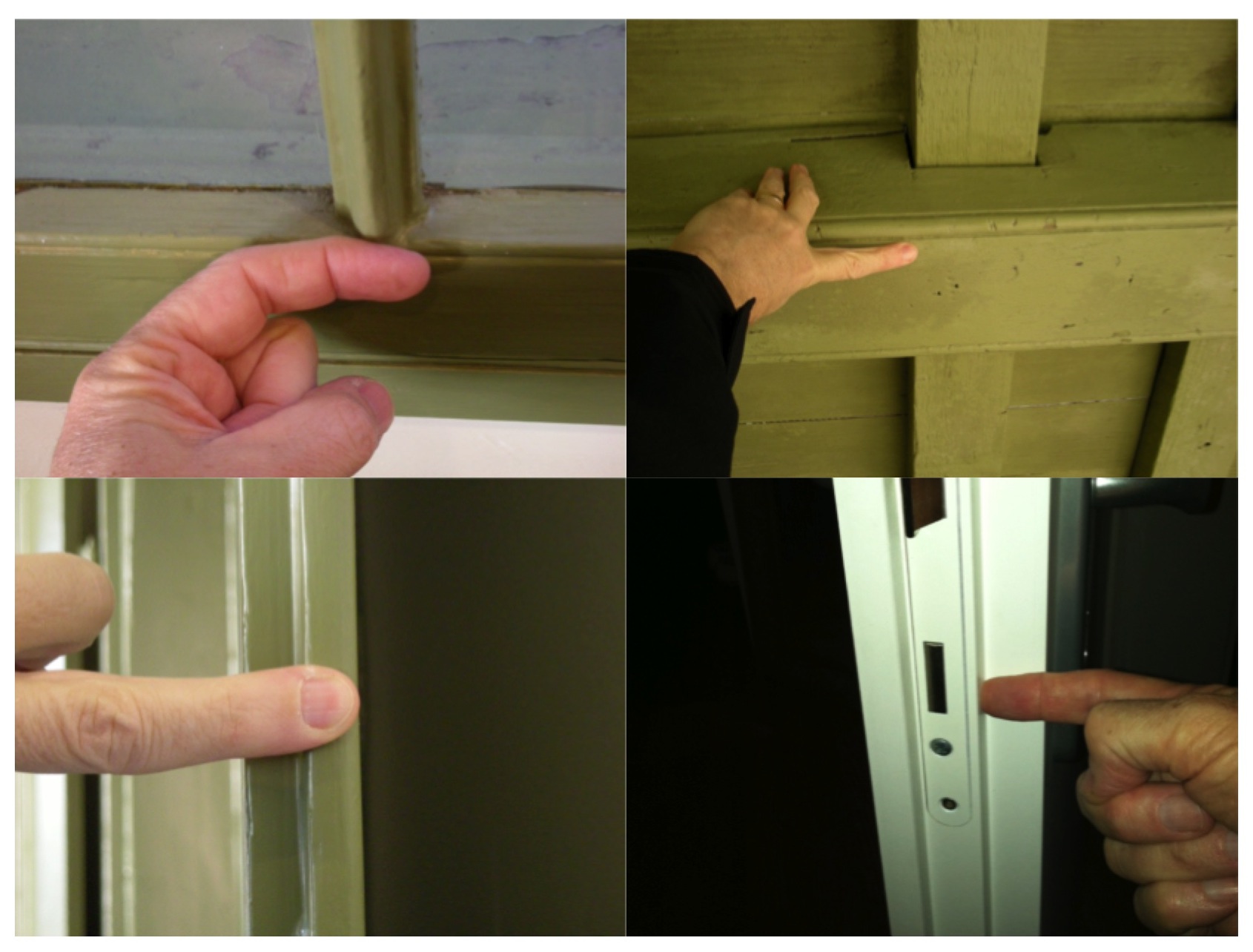
The first joint or distal phalanx makes a handy scale for small details as well.

finger photos_2

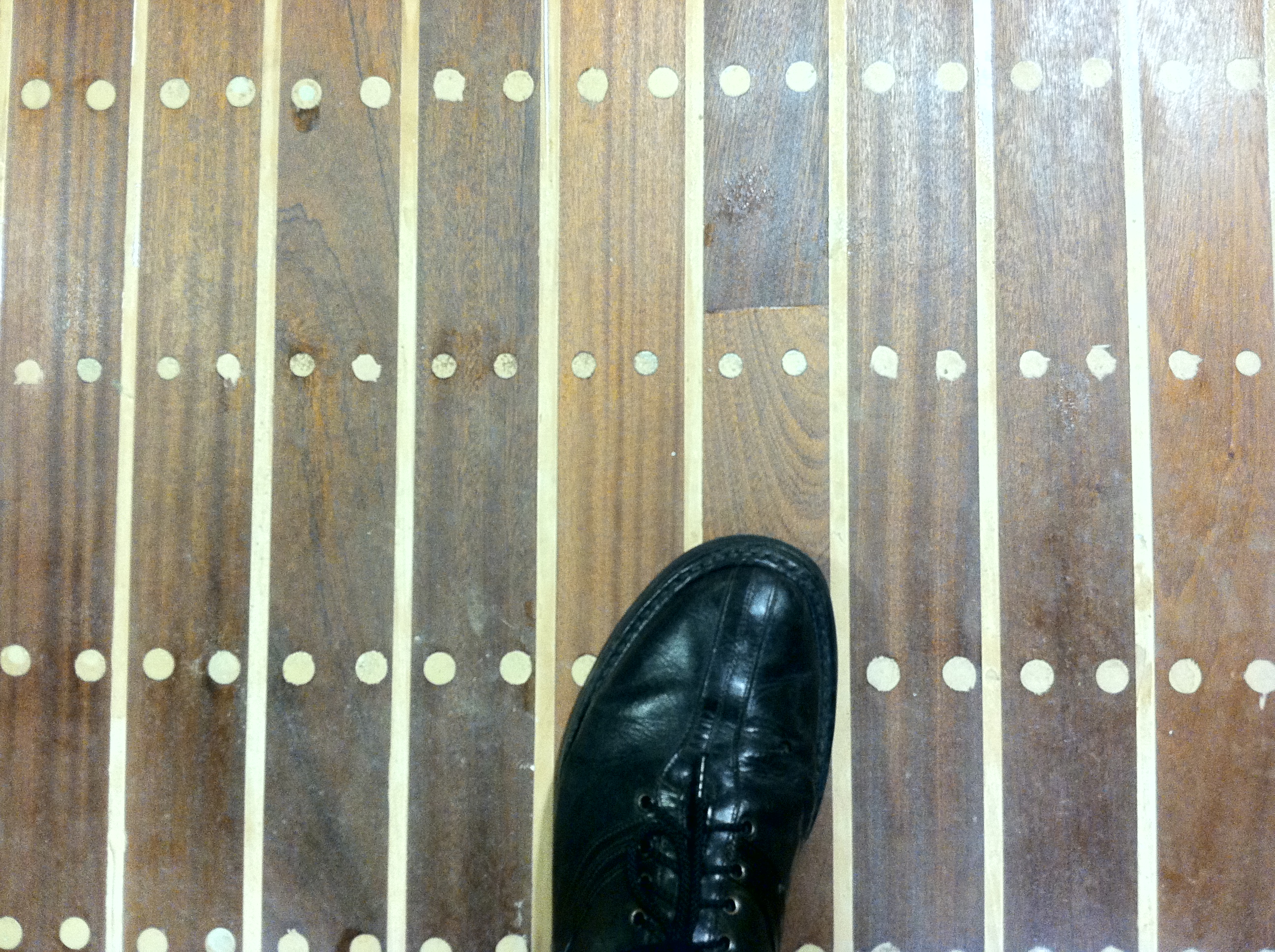
And don’t forget your shoe makes a good scale object too.

IMG_4324


So what do you do with these? How do you translate these into working documents? Next time I’ll explain the basics of scaling from photos using dividers.

But in the mean time, this video by writer and woodworking instructor Jim Tolpin and animator Andrea Love gives a great intro into designing with hand and body proportions.


For more on proportional design, get Jim and George Walker‘s book, By Hand & Eye from Lost Art Press. George also writes a great blog on design you can find here.

And if you want some hands-on help, Jim will be teaching a class based on By Hand & Eye at the Port Townsend School Of Woodworking on March 21-22.

-Randall Wilkins

10 Design Reference Books You Should Have On Your Shelf


design book montage_1

I think I’ve already made it clear that you just can’t have too many books, especially ones on design and architecture. But it’s also a real pain dragging a lot of them around with you from job to job and it becomes a bigger job to keep track of them once they’re out of your house. So, I try to only take books to my current workplace that I either don’t have a digital version of or just really need to have close at hand.

If I had to limit myself to just 10 books, these would be the books I’d take to start a job.

Here is my must-have list with sources:

1. Architectural Graphic Standards – 5th Edition – This was when the books were filled with great hand drawings and actually showed you in detail how things were built. Lots of period details as well. Out of print for over 50 years (at least in this edition) you can still find copies for anywhere from $20 to $200. The 3rd edition would be a suitable replacement. the first edition is also good to have and has been reprinted several times. Check Abebooks for copies. Not available digitally.

If you are in Great Britain, McKays is the closest equivalent, and is actually superior in a number of ways from our standpoint as set designers. On the Continent, an older copy of Neufert’s is a must. See this earlier post for details. Not available digitally.

In Germany, the best book on period construction I’ve found is Konstruction Und Form Im Bauen, by Friedrich Hess. There are lots of very nice drawings and measured details. Long out of print but you can still find copies second-hand. In Sweden, an excellent book on traditional construction is Stora Boken Om Byggnadsvård, by Göran Gudmundsson. This is a current book and still in print. Neither are available digitally.

2. Time-Saver Standards for Interior Design and Space Planning, 2nd Edition. This is the design complement to Architectural Graphic Standards and covers nearly every situation regarding building interiors. You can find used copies for around $75. There is a digital version available but it’s not only difficult to navigate because of the size of the book but at the price you’d be better off getting a hardback edition.

3. Styles Of Ornament – Alexander Speltz.  Originally published in 1904, this book uses over 4000 drawings to illustrate 6000 years of historical design. As a general design reference I don’t think it has an equal. Architecture, furniture, text, carving, metalwork are all covered. A must-have. (Handbook Of Ornament by Franz Meyer would be a close second.) Available from a number of publishers for as little as $10. A digital version is available.

Low Budget Option- download the online PDF here.

4. The Stair Builder’s Handbook – T.W. Love – Not a design book per se, but a book of rise and run tables that make stair layout a breeze. Available from Contractor Resource for about $18.

Low Budget Option – download the PDF Common Sense Stairbuilding and Hand-railing. Skip the mind bending section on handrail layout and skip to page 99. Also, Stair building, which has a nice section on ornamental ironwork.

Also, In April a new book will be out called  Simply Stairs – The Definitive Handbook for Stair Builders, by Mark Milner, published by Whittles Publishing in London for £25. Pre-release information on the book makes it look very promising.

5. Backstage Handbook – Paul Carter. Originally a technical manual for theatrical designers, the book is full of great information for film work as well. There are more details in this earlier post from several years ago. Available from Broadway Press for about $22. No digital version is available.

6. American Cinematographers Manual – The new 10th edition will cost you about $80 in hardback and almost the same in it’s digital version through the iTunes and Android sites. There’s a free pdf of the 7th edition here, but much of the latest technology isn’t in it. This is the go-to book for all things dealing with cameras and image capture. A lot of people will tell you you don’t need this. I’m sure you could also have a great career as a car designer without knowing anything about how cars work. Because when it comes down to it, all we’re really doing is designing big, pretty things to bounce light off of. Just remember, if the department names were based on physics we’d be the Light Reflector Design Department.
7. Building Construction Illustrated – Francis Ching. An excellent and thorough book about construction details including wood framing systems as well as masonry. About $30. No digital version is available.

Low Budget Option – access the online PDF here.

8. The Classical Orders of Architecture – Robert Chitham. I think this is the best modern book around that deals with the classical architecture proportional system. This book was out of print for quite a while and fortunately is back in print. The new edition deals with the proportions for both metric and Imperial systems. Used copies can be found for about $45.

Low Budget Option – Get the PDF American Vignola by William Ware and The Five Orders by Vignola. Also, download the very nice PDFs on classical architecture from the The Institute of Classical Architecture & Art.

9. Illustrated Cabinetmaking – Bill Hylton. I covered this book in an earlier post. If you want or need to know basic furniture design and how furniture goes together this is the book you’ll want to refer to. It’s been referred to as the Grey’s Anatomy of furniture building. Full of exploded drawings of many kinds of pieces. Available from Fox Chapel Publishing for $24.95.

10. By Hand & Eye – George R. Walker & Jim Tolpin. Just because this is number 10 on the list doesn’t mean it’s the least important. In fact if you’re just starting out in set design this is the first one I’d tell you to buy. Most bad designs are caused by bad proportions. This book will give you a solid understanding of proportion and keep you from making simple mistakes. You can download a sample chapter here. Also, I wrote a longer post on the book earlier. Walker and Tolpin are promising a workbook that will come out later this year based on the book’s concepts so look for that. Available from Lost Art Press for $38, hardbound.

Low Budget Option – Cut back on the Starbucks for a couple days and buy a digital version for $18. The mental stimulation might be just as good as the caffeine and it’ll be a lot healthier too.

So what have I missed? There are other books I could list these are the best. What’s on your shelf? What books would you say are ‘Must Haves’?

Share your titles with the rest of us. Let me know the important titles I’ve missed here, I’m sure there are a lot. As an incentive, everyone who posts book suggestions goes into a drawing at the end of the week for a free digital version of By Hand & Eye.

C’mon, give us your list.


Historical Moulding Catalogues For Download


1938 moulding

Chris Schwarz over at Lost Art Press posted a blog entry yesterday with links to three moulding catalogues you can download. The catalogues range from a 1938 catalogue using the old Universal system where the profile numbers were a fairly universal ( at least within the U.S.) numbering system called the 8000 system. The original numbering system begun in the mid 1800’s used a three digit number starting with 1. You can see how the inventory of stock moulds changed over the years as manufacturers offered fewer and fewer profiles. The mid 1800’s catalogues included over 600 different profiles which would dwindle to less than 50 in many catalogues in the early 1950’s.

Here’s three examples that show the slow loss of the variety of stock stop moulds, the first from the 1890’s catalogue, the second from a 1938 catalogue and the last from a booklet from the 1960’s.


stops from the 1890 Universal catalogue

stops from the 1890 Universal catalogue

Stop profiles from a 1938 catalogue

Stop profiles from a 1938 catalogue

stop profiles from a 1960's catalogue

stop profiles from a 1960’s catalogue

You can read the blog article and download the catalogues at this link. Special thanks to Chris, Eric Brown and Thor Mikesell for sharing the research material.