Traditional Mexican Architecture Style Books

There are several books on domestic Mexican architecture that are well worth having but it is usually hard to find good copies of them because they were published over 60 years ago.

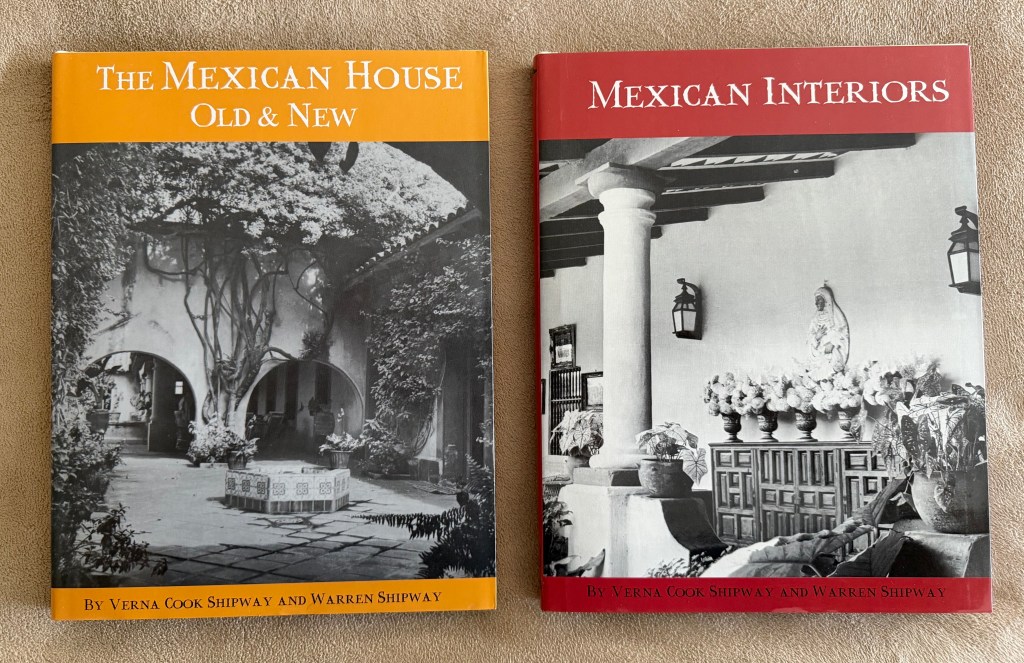
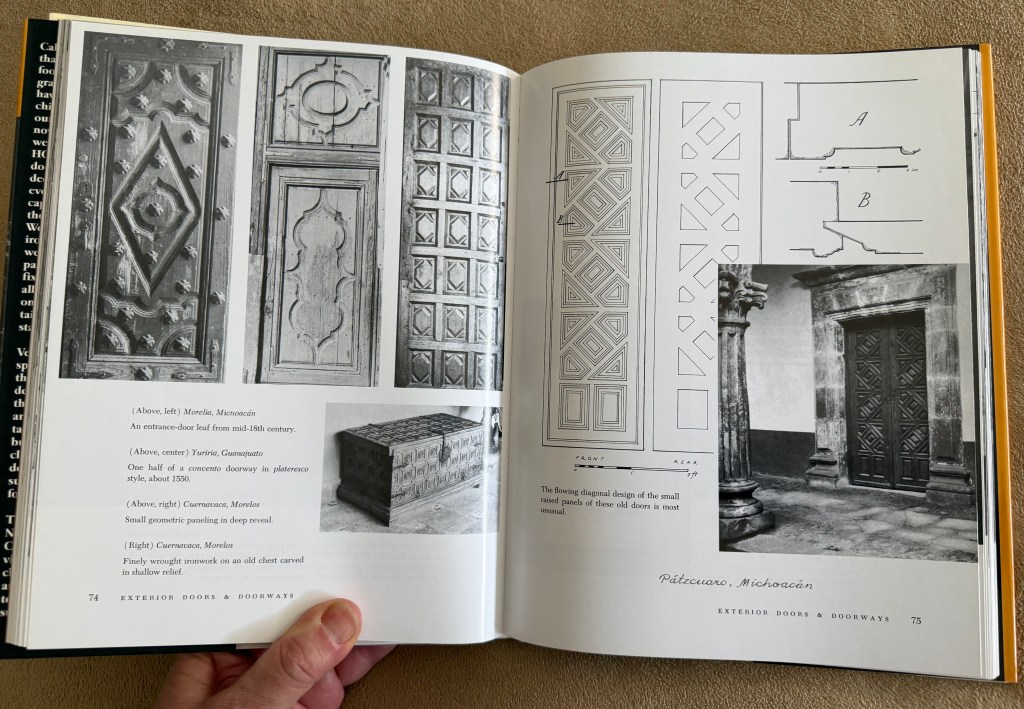
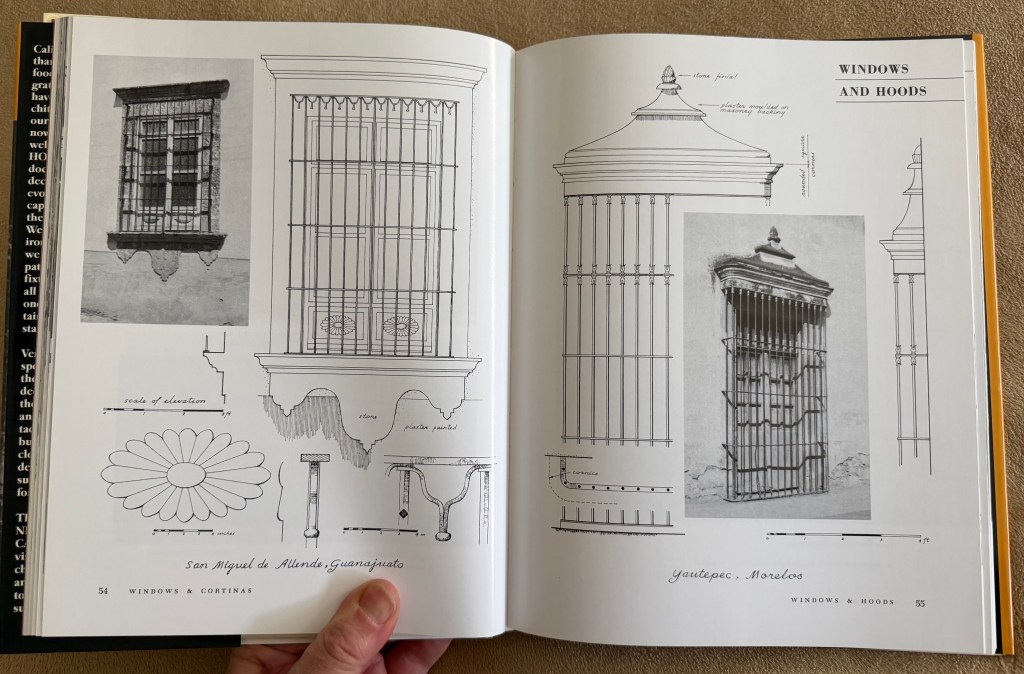
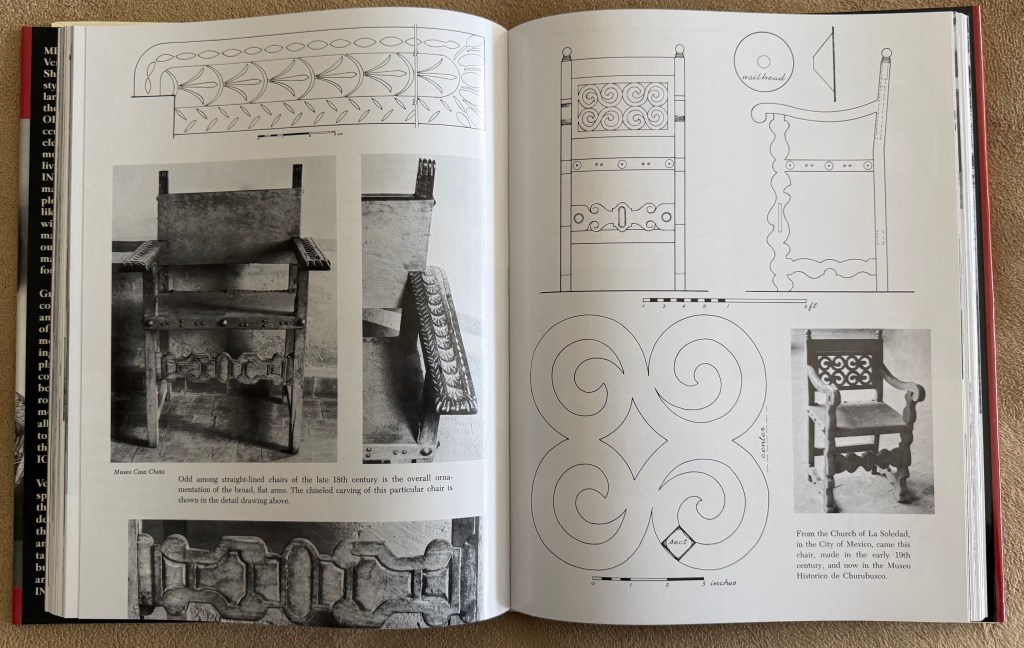
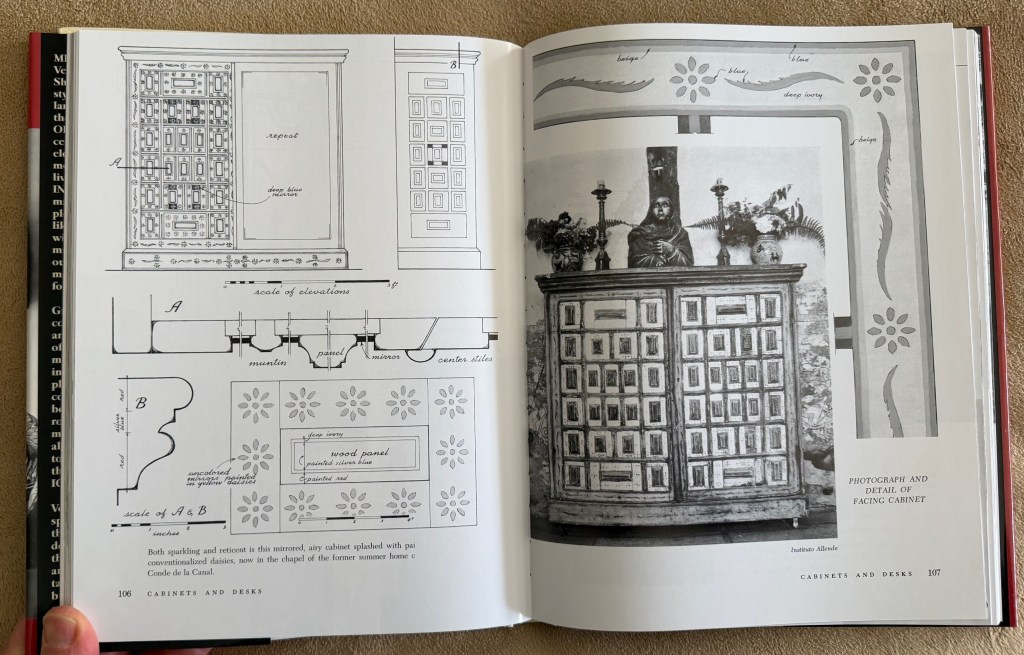
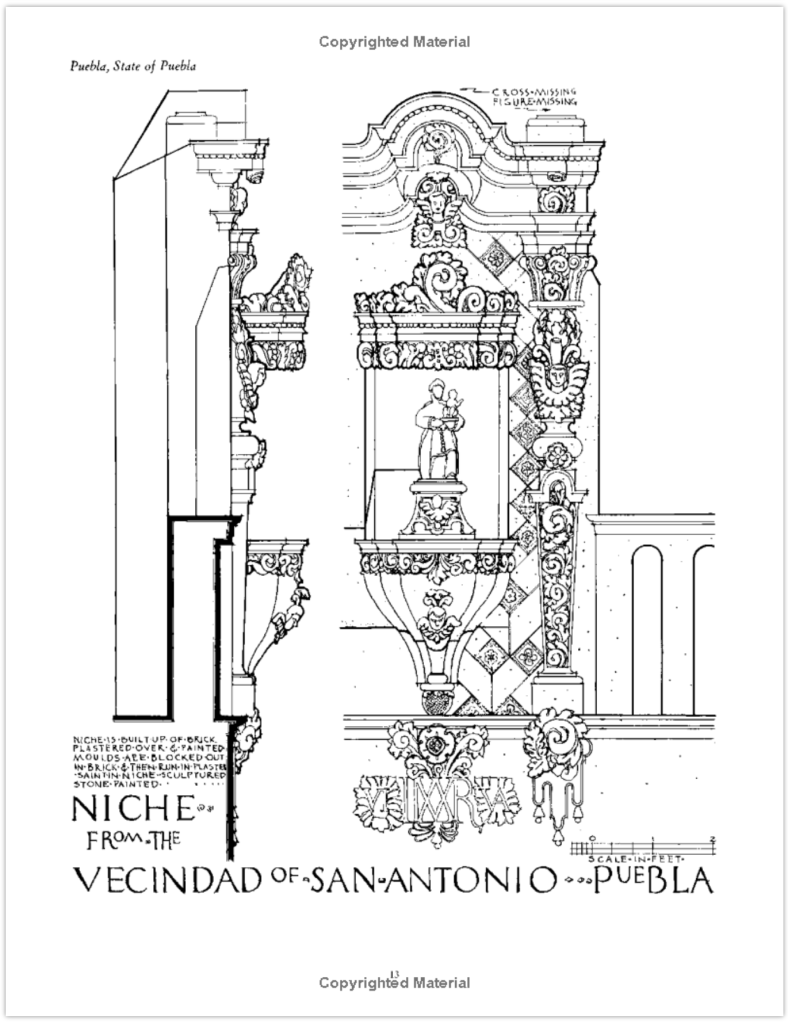
In the early 1960s, Verna and Warren Shipway wrote two books on traditional Mexican domestic architecture which were a series of black & white photographs accompanied by measured drawings of various details of the houses that they documented. The Mexican House – Old and New, was the result of years investigating the various influences on the typical Mexican house.

The follow-up book, Mexican Interiors, dealt more with furniture and other furnishings but includes architectural elements as well and follows the same layout of photos layered with measured drawings.

Both books have been republished by Hennesey & Ingalls, the architectural bookstore in downotown Los Angeles, California, in the same format as the 1960s editions. These are signature bound hardcover books and won’t fall apart like soft cover books do.

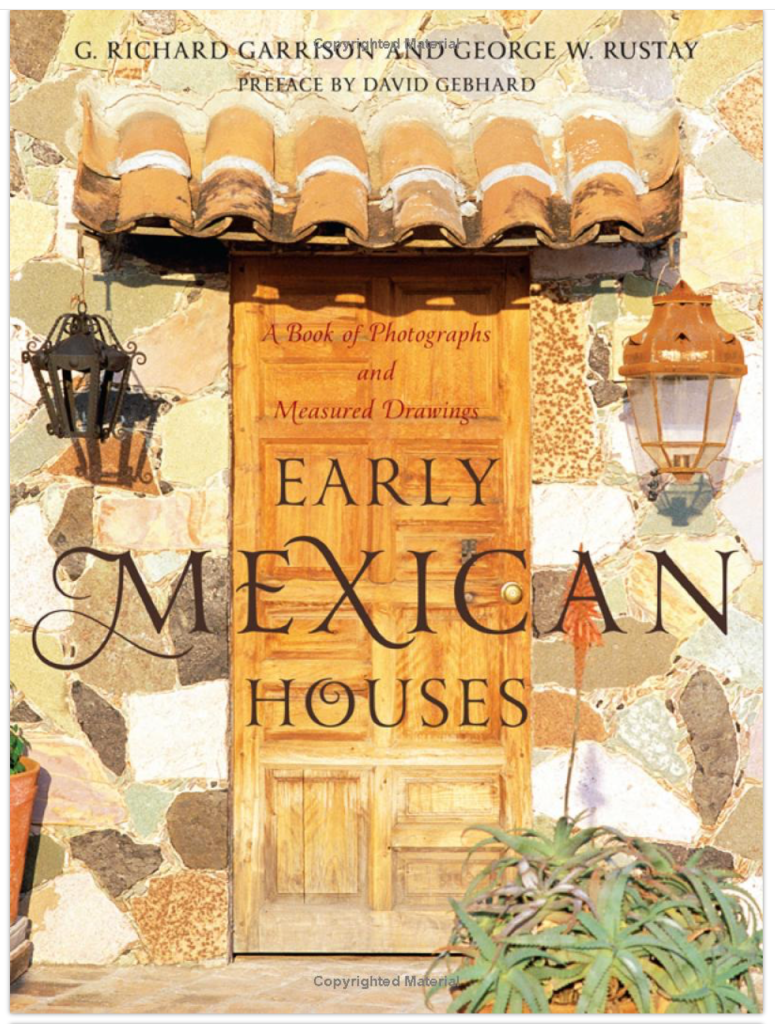
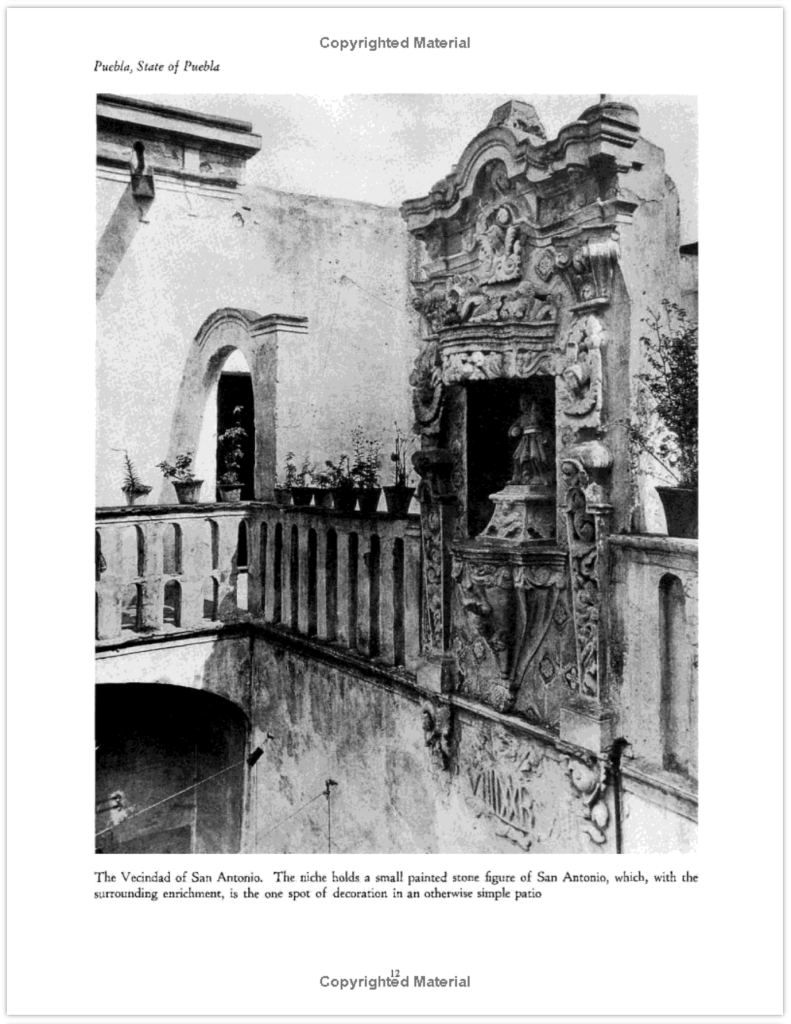
Another book done in the same style from 1930 is Early Mexican Houses: A Book Of Photographs And Measured Drawings. This book was created by G. Richard Garrison and George Rusty, two young architects in the late 1920s who spent five years documenting domestic Mexican homes when they found that there was very little available literature on the subject.

This book has also been reprinted, although as far as I know, new copies are only available in a sofcover version.

UPDATE – Graphic Standards From Across The Pond

This is an update to a post I made back in 2012 about standard European architectural manuals; Neufert’s and McKay’s Building Construction.

I’ve recently found digitized copies of both of these online and have posed them at the bottom of each of the descriptions below. Copies of McKay’s have been hard to find here in the States and I like having a digital copy to refer to when I’m on location. Less shipping!

Here in the US, the book we primarily turn to for all questions of an architectural nature is the AIA Architectural Graphic Standards. For our work, the third and fifth editions are the most informative because they were printed at a time when architects had to draw everything rather than order most elements pre-made. If you happen to be drawing up European architecture, though, it won’t do you much good.

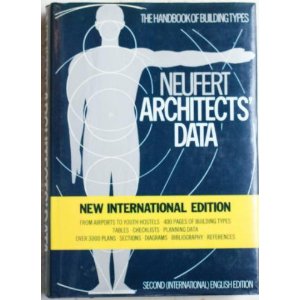
In the rest of the world, the architectural book most people turn to for similar answers is Neufert’s Architectural Data. Soon to be released in it’s 40th edition, the book is printed in 18 languages and is the architectural Bible in the metric world.
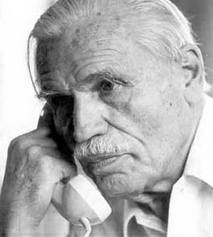
Ernst Neufert

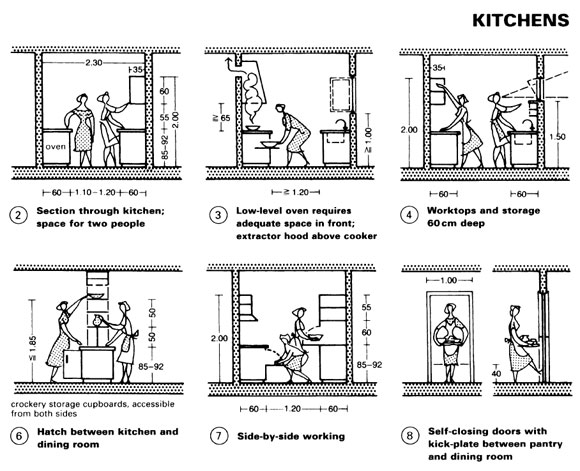
Ernst Neufert worked at the Bauhaus as chief architect under Walter Gropius and later taught at the Bauhochschule until the Nazis closed it down in the early 1930’s. Seeing the need for a book that graphically laid out the architectural standards of the time, the book was first printed in 1936 and soon became a big success. Like Graphic Standards, the book is mainly a visual reference of architectural design and space standards for the European continent.

The book has had a number of English language editions, but the 1998 International is the most useful and easiest to use for the metrically-challenged. A large number of each edition are printed so it should be fairly easy to find used copies. You may have better luck throught British booksellers than second-hand businesses here.

A digital copy of an early edition can be found here:
 

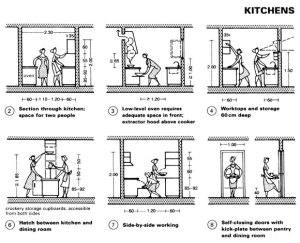
kitchen standards from an earlier edition

In Britain, The book many people refer to is McKay’s Building Construction. Originally published in three volumes over an eight year period, the recent re-publication has combined them into one book. The books are so popular in England that when they briefly went out of print, students were encourage to beg, borrow or steal to get a set.
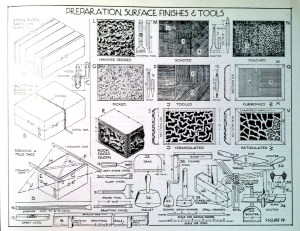
page on hand-cut stonework

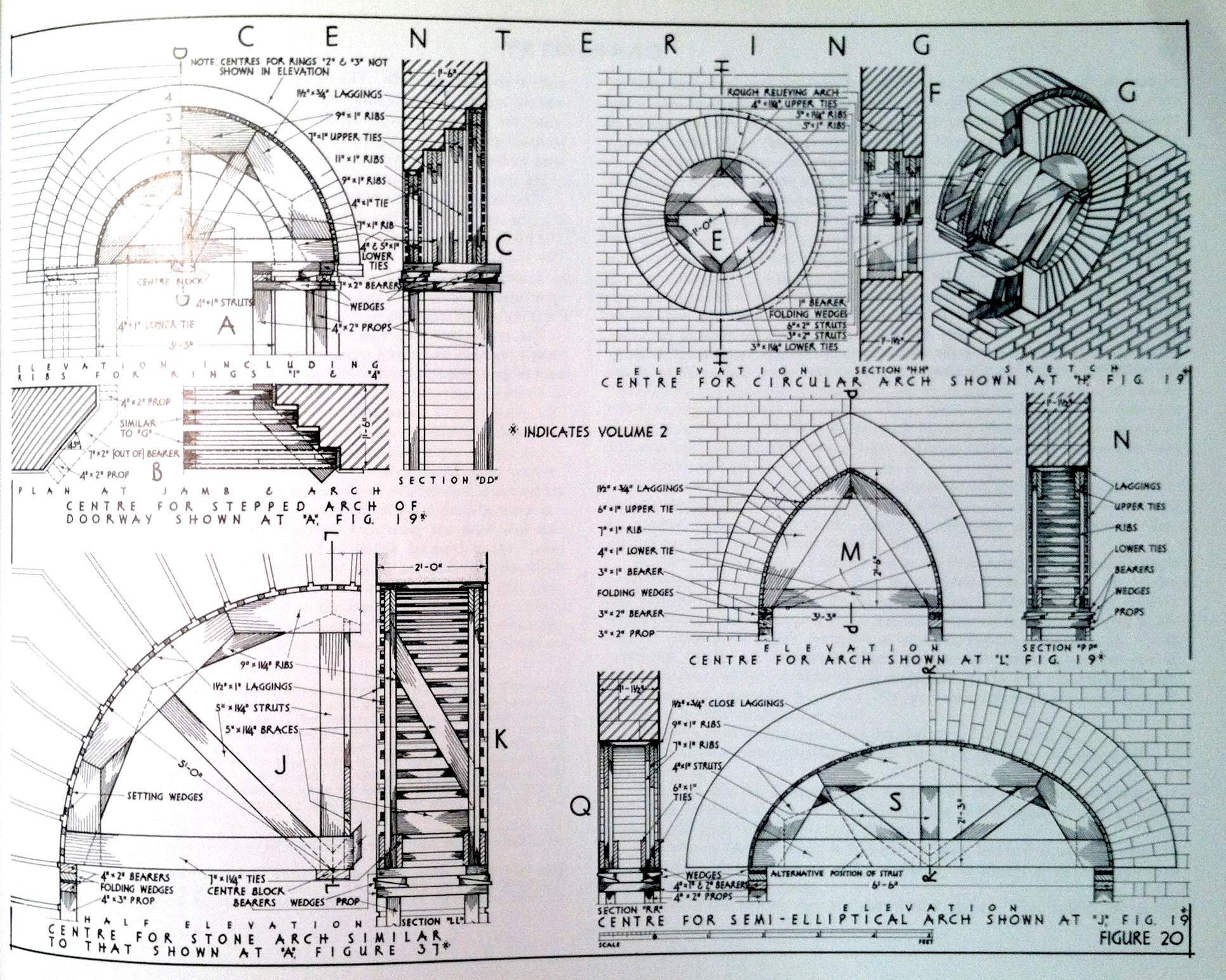
Written by W.B. McKay, who was Head of the Building Department at both Leeds and Manchester colleges, the book is particularly useful for our business as it shows and describes exactly how the various methods of construction (wood and masonry ) are carried out. Filled with hundreds of beautiful perspective drawings by McKay, the book takes up where Graphic Standards ends.

Like Neufert’s, this can be had in used editions, the most recent from 2004. I found my copy in a bookstore in New Delhi, India, so you may have to search around. This is definitely a book that is worth the search.

If you’re in a hurry, you can order it here.

Digital copies of the 1945 edition can be found here:

Volume 1

Volume 2

Volume 3
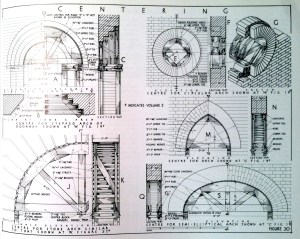
methods of forming masonry openings
Art Department Masterclass – 2026 Sessions – April 30 Application Deadline

The Art Department Master Class is an international training program that has held over 10 training sessions in Lithuania, Italy, and Iceland. The one-week programs are led by film industry professionals from various countries who are leaders in film design in Art Departments around the world.

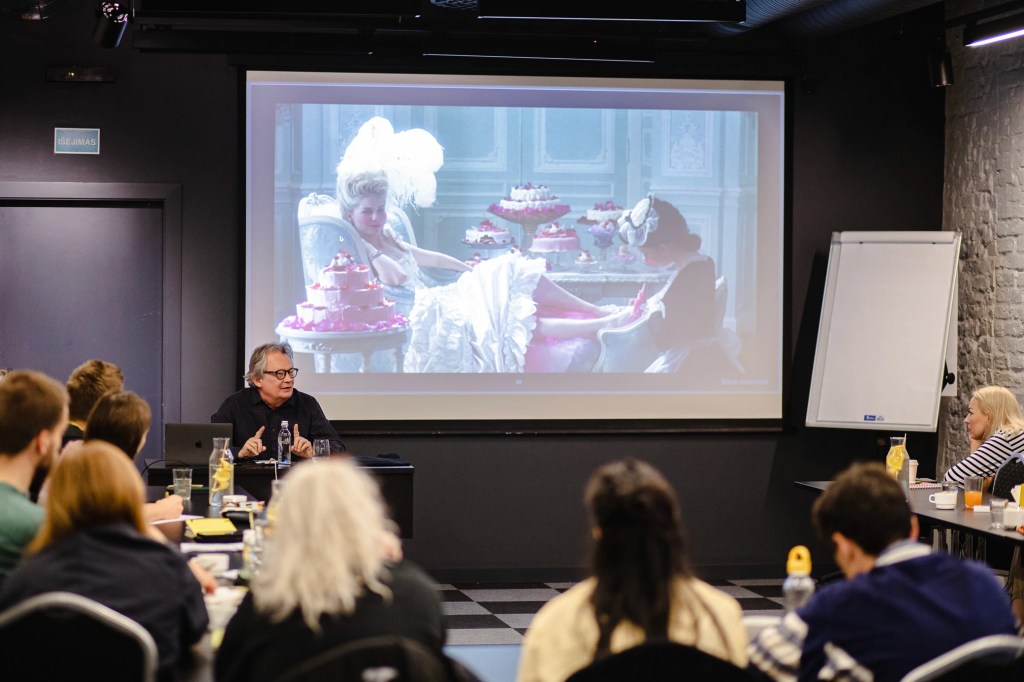
Production Designer K.K. Barrett giving a lecture on the design for the film Marie Antoinette at an ADM event. Photo: Andrius Paulavičius

Its creators, Ieva Buzinskaite and Domante Urmonaite realized that there was a lack of training available for people who had chosen a career in the Art Department of films and saw it as an opportunity for creating a world-wide community.

“We are committed to fostering an inclusive and supportive environment that encourages dialogue, generosity of knowledge, and long-term creative sustainability within the art department community.

Many of our participants and experts return again and again. They support the project, speak about it with warmth, and help shape what it becomes next. We’ve also been lucky to grow alongside partners who believe in the same values and continue to support us year after year.

At its core, this project is not just a job for us. It’s a long-term commitment to maintaining creativity, curiosity, and motivation in an industry that can easily exhaust all three. We want people to leave the Art Department Masterclass feeling re-energized, connected, and reminded of why they chose this path in the first place.

There is, of course, a lot of work happening behind the scenes – but that’s nothing new for anyone who has ever worked in an art department. And just like on set, we believe the best results come from care, collaboration, and a shared belief in what we’re making together.”

The 6-day sessions for 2026 are:

World Building – June 12 to 17 in Turin, Italy

Digital Post-Production – November 5 to 10 in Vilnius, Lithuania

The sessions are limited to 20 participants each and are meant for individuals worldwide who have at least 5 years of experience in art departments in the film industry.

The price of the sessions is €650 per session, which includes tuition, accomodation and lunch. The price is kept low through the generous government co-funding from the European Union Creative Europe program.

For more information on the sessions and to apply, go to this link.